

Have you ever wondered what a cardiologist actually does when you visit a heart specialist? If you or someone in your family has ever experienced a heart concern and needed to see a doctor, you might have heard this medical term. Today, we will explore who cardiologists are, what they do, and when you might need to see one in simple, easy-to-understand terms.
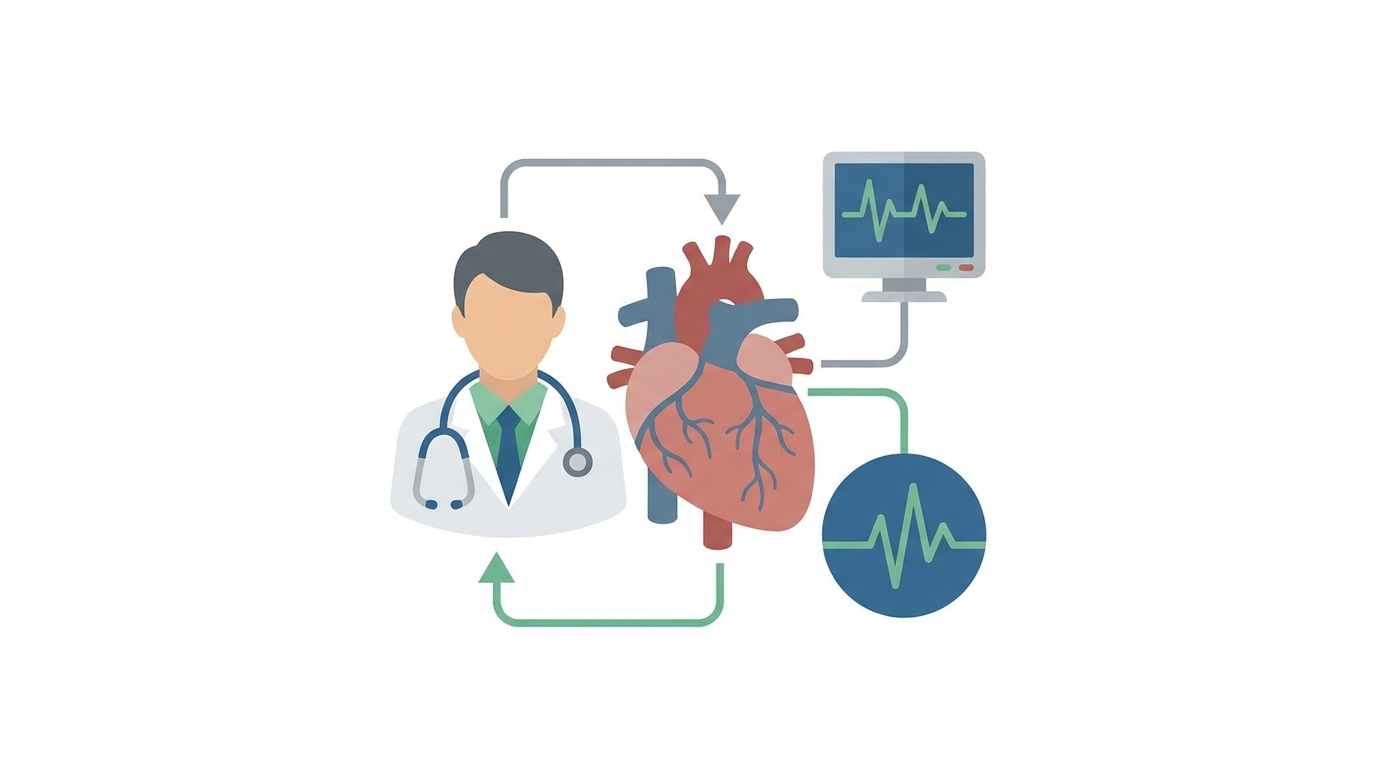
Your heart is one of the hardest-working organs in your body. Keeping it healthy is vital for your overall well-being and daily energy. Understanding your heart health helps you make better choices every single day.
Key Takeaways at a Glance.
- Heart Specialists: Cardiologists focus exclusively on your heart and blood vessels.
- Extensive Training: They complete many years of rigorous medical school and specialized residency.
- complete Care: They diagnose, treat, and help prevent conditions like high blood pressure and blocked arteries.
- Advanced Testing: They use specialized tests such as EKGs, echocardiograms, and stress tests to check your heart.
- Proactive Health: Spotting warning signs early and getting timely referrals saves lives.
Who Is a Cardiologist?
Simply put, a cardiologist is a medical doctor who specializes in your heart and blood vessels. They have expert knowledge of how your cardiovascular system works. They can treat existing heart diseases and help you prevent new ones from developing.
Becoming a cardiologist requires many years of intense study and dedication. First, a doctor spends four years in medical school earning their medical degree. Next, they complete three years of residency training in general internal medicine. After that, they complete at least three additional years of specialized fellowship training focused entirely on cardiology.
Once they finish this specialized training, they must pass rigorous board exams to earn certification from a recognized national medical board. Medicine is always changing, so doctors must continue learning throughout their careers. They stay updated on the newest treatment methods and research studies.
A great cardiologist also listens carefully to your symptoms and questions. They take the time to find the right solution for your unique health situation. Their dedication ensures you receive safe, effective, and modern medical care.
What Does a Cardiologist Do?
A cardiologist is trained to treat conditions like chest pain, high blood pressure, and heart failure. They also manage problems with your heart valves, blood vessels, and other heart-related issues. When you visit a clinic, they investigate your symptoms to find the exact root cause.
To figure out if you have a heart problem, your doctor may order several diagnostic tests. Some common examples include:
- EKG (Electrocardiogram): This test checks the electrical activity and rhythm of your heart.
- Echocardiogram: This is an ultrasound scan that looks at your heart structure and pumping action.
- CT Scan (Computed Tomography): This imaging test creates detailed pictures of your heart and blood vessels.
- Cardiac MRI: This uses strong magnets and radio waves to view detailed heart images.
- Nuclear Imaging: This test shows blood flow to your heart muscle using a safe tracer substance.
After finding the correct diagnosis, your doctor can prescribe medicine or help you start healthy diet and exercise habits. In some cases, they may perform a procedure called cardiac catheterization. During this procedure, they guide a tiny tube through your blood vessels to check for blockages and treat them if necessary.
If you ever need heart surgery, your cardiologist will refer you to a cardiothoracic surgeon. When you attend your appointment, your doctor will perform a physical exam and review your medical history. Most importantly, they will discuss your family medical history because heart conditions often run in families.
Your doctor gathers vital health information from several key measurements during your visit:
- Your body weight.
- Your blood pressure levels.
- Your blood cholesterol levels.
- Your blood sugar levels.
Reviewing these numbers and test results helps your doctor calculate your personal risk factors. They will also ask about your lifestyle habits, such as whether you smoke, how often you exercise, what you eat, and what medicines you take.
What Conditions Do Cardiologists Treat and Prevent?
Cardiologists treat a wide variety of heart and blood vessel disorders. Here are some of the most common conditions they manage:
- Atherosclerosis: Fat buildup inside your blood vessels that narrows the pathways for blood flow.
- High Blood Pressure: A common condition where the force of blood against your artery walls is too high.
- High Cholesterol: Elevated levels of fat particles in your bloodstream.
- Angina: Chest discomfort or pain caused by reduced blood flow to your heart muscle.
- Cardiac Arrest: A sudden, unexpected loss of heart function, breathing, and consciousness.
- Heart Failure: A chronic condition where your heart cannot pump blood efficiently enough.
- Heart Attack: A serious medical emergency caused by a blocked blood vessel supplying the heart.
- Blood Clots: Clumps of blood that can block normal circulation in your vessels.
- Heart Rhythm Disorders: Irregular heartbeats such as atrial fibrillation.
- Endocarditis: An infection of the inner lining of your heart chambers and valves.
- Cardiogenic Shock: A life-threatening condition where your heart cannot pump enough blood to your body.
- Heart Valve Problems: Issues where your heart valves do not open or close properly.
- Heart Abnormalities: Structural irregularities present in the heart muscle or chambers.
- Cardiomyopathy: Diseases that make it harder for your heart to pump blood to the rest of your body.
- Myocarditis: Inflammation of the heart muscle tissue.
- Pericardial Problems: Issues affecting the thin sac surrounding your heart, such as pericarditis.
- Congenital Heart Conditions: Heart defects that are present from birth.
- Aorta Problems: Conditions affecting your main artery, such as an aneurysm or stenosis.
- Peripheral Artery Disease: Narrowed blood vessels reducing blood flow to your limbs.
- Coronary Artery Disease: Disease of the major blood vessels supplying your heart muscle.
- Stroke: A brain injury sometimes caused by heart-related blood clots or circulation issues.
What Tests Do Cardiologists Order?
Your cardiologist may order several diagnostic tests to evaluate your heart health. While some tests are performed directly by the cardiologist, others are conducted by specialized technicians.
- Cardiac Catheterization: Inserting a thin tube into blood vessels to check pressure and blockages.
- Chest X-ray: A simple imaging test to view the size and shape of your heart and lungs.
- Blood Tests: Laboratory checks for cholesterol, blood sugar, and cardiac enzymes released after heart injury.
- Heart MRI: Advanced magnetic resonance imaging for detailed heart tissue evaluation.
- Cardiac CT Scan: Detailed computed tomography scans of your coronary arteries.
- Coronary Angiogram: An X-ray procedure using a special dye to spot blocked arteries.
- Stress Tests: Monitoring your heart rhythm and blood pressure while you walk on a treadmill.
- ECG (Electrocardiogram): Recording the electrical signals traveling through your heart.
- Echocardiogram (Echo): Using sound waves to create moving pictures of your heart in action.
- Transesophageal Echocardiogram (TEE): A specialized ultrasound using a thin probe down your esophagus for clearer images.
- Holter Monitor: A portable device you wear at home to record your continuous heart rhythm for 24 to 48 hours.
- Event Monitor / Implantable Loop Recorder: Long-term devices used to catch infrequent heart rhythm irregularities.
When Should You See a Cardiologist?
In most cases, your primary care doctor will refer you to a cardiologist if you have specific heart or blood vessel concerns. Sometimes, a cardiologist will work with you over the long term to monitor a chronic condition.
You should schedule an appointment with a doctor and consider seeing a specialist if you notice any of these warning signs:
- Chest Pain or Discomfort: Feeling pressure, squeezing, or a heavy weight in your chest.
- Dizziness or Lightheadedness: Feeling unsteady or faint without a clear reason.
- Shortness of Breath: Struggling to catch your breath while resting or doing light physical activity.
- Heart Palpitations: Feeling your heart race, flutter, or beat unusually hard in your chest.
Emergency Warning Signs.
If you experience severe chest pain, sudden fainting, or difficulty breathing, call 911 (US/Canada) or 999 (UK) right away, or go to the nearest Emergency Department (ER or A&E). Never ignore sudden, crushing chest pain.
What Are the Sub-Specialties of Cardiology?
Although all cardiologists are experts in heart health, many choose to train in specific sub-specialties. This means they gain deep expertise in a particular type of heart disease or treatment method.
Here are several key sub-specialties in cardiology:
- Heart Failure Specialists: Doctors who focus exclusively on treating patients with advanced heart failure.
- Electrophysiologists: Specialists who diagnose and treat heart rhythm disorders and arrhythmias.
- Pediatric Cardiologists: Doctors who care for infants, children, and teens with congenital or acquired heart conditions.
- Interventional Cardiologists: Specialists who perform minimally invasive procedures like balloon angioplasty and stent placements.
- Preventive Cardiologists: Experts focused on helping patients manage risk factors before heart disease develops.
- Cardiac Rehabilitation Specialists: Professionals who help patients recover and rebuild strength after a heart attack or surgery.
- Sports Cardiologists: Doctors who evaluate and care for competitive athletes and active people.
- Geriatric Cardiologists: Specialists focusing on heart care for older adults.
- Cardio-Oncologists: Doctors who protect and manage heart health in cancer patients undergoing treatment.
Do You Need a Referral to See a Cardiologist?
Whether you need a referral depends entirely on your health insurance plan. Some insurance companies require you to get a referral letter from your primary care doctor before visiting any specialist.
It is always wise to check with your insurance provider before booking your appointment. Taking this simple step helps you avoid unexpected medical bills and ensures your care is fully covered.
Specialist visits usually cost more than routine primary care visits. Following your insurance rules helps you save money while getting the specialized medical attention you need.
Where Do Cardiologists Work?
You can find cardiologists working in various healthcare settings. Many practice inside large medical centers and hospitals where emergency and surgical care take place.
Other cardiologists operate their own private clinics or medical offices. Depending on your needs, your doctor may coordinate your tests and treatments across hospitals and specialized outpatient centers.
| Setting. | Primary Focus. | Patient Experience. |
|---|---|---|
| Private Clinics. | Routine checkups, consultations, and ongoing management. | Scheduled visits in a comfortable, office-based environment. |
| Hospitals. | Emergency care, surgeries, and advanced diagnostic testing. | Inpatient monitoring and specialized acute medical interventions. |
| Outpatient Centers. | Specialized imaging, stress testing, and minor procedures. | Targeted testing visits with same-day discharge. |
Take-Home Message.
A cardiologist plays a powerful role in protecting your long-term health and well-being. Whether they help you recover after a heart event or help you prevent heart disease altogether, their expertise is invaluable.
Your primary care doctor or trusted loved ones can help connect you with a qualified cardiologist in your area. Building a strong relationship with your specialist makes all the difference in your healthcare journey.
A Note from Dr. Priya Sammani.
The most important part of your care is feeling comfortable and confident with your cardiologist. Never hesitate to ask questions if something is unclear. Your heart health is your greatest asset, and understanding your treatment options empowers you to live a longer, healthier life.
Take good care of your heart every single day, and stay healthy!


💬 Comments (0)
No comments yet. Be the first to share your thoughts here.
Add Your Comment