
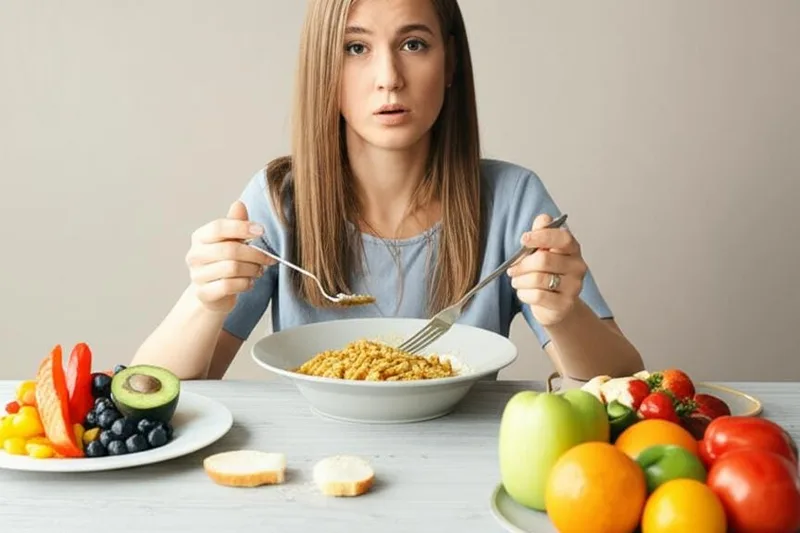
Do you often experience stomach pain, bloating, or other discomfort after eating foods like bread, biscuits, or pasta? Your doctor may have told you that you have a condition called Celiac Disease. Hearing this name can be a bit scary. You may think, "Oh, I won't be able to eat anything now?" But don't be afraid. The only cure for this is to completely eliminate gluten from your diet. Although it may seem a little difficult at first, once you understand it properly, it is very easy to manage. Let's talk about this in detail today.
Simply put, what is gluten?
Gluten is a type of protein . It is mainly found in the grains wheat, barley and rye . Many of the things we eat, such as bread, cakes, biscuits, pasta, are made from flour made from these grains. Gluten is the part that acts like a "gum" that sticks those foods together and helps give them their proper shape. To be precise, it is because of this gluten that a loaf of bread swells and binds together, and a noodle stays long without breaking.
What happens when someone with Celiac eats gluten?
Celiac is a genetically inherited autoimmune disease . Simply put, it is a condition in which our body's own defense system (immune system) goes astray and attacks our own body.
When someone with celiac disease eats a food containing gluten, their immune system recognizes the gluten protein as an enemy and begins to attack it. But when this attack occurs, it mistakenly damages the tiny finger-like structures on the inner wall of our small intestine, called the villi .
The main function of these villi is to absorb nutrients from the food we eat. So when they are damaged, the body cannot absorb the nutrients it needs properly. We call this malnourishment . Especially things like iron, calcium, and vitamin D are absorbed very less. Because of this, over time, other serious conditions such as anemia, osteoporosis, and thyroid diseases can occur.
Do I need expert help?
Absolutely. If you are diagnosed with Celiac Disease, ask your doctor to refer you to a registered dietitian who specializes in Celiac Disease. He or she can help you navigate this journey.
You can learn these things from a nutritionist:
- How to read the labels of store-bought foods correctly and identify whether they contain gluten or not.
- How to plan a gluten-free meal that suits you and delicious recipes.
- How to avoid nutritional deficiencies that you may have.
- Be aware of other medical conditions that may be associated with celiac disease.
So what can I eat?
While you may be thinking, "Am I going to run out of food now?", the list of things you can actually eat is quite long. In addition to foods labeled "Gluten-Free" at the store, there are many foods that are naturally gluten-free and can form the basis of your diet.
| Naturally Gluten-Free Foods | |
|---|---|
| Meats | All meats, such as beef, chicken, and goat. (Processed meats may have added gluten, so read the label.) |
| Fish and seafood | All kinds of fish, shrimp, squid, crab. |
| Eggs | Everything like chicken eggs, quail eggs. |
| Vegetables and fruits | All kinds of fresh vegetables and fruits. |
| Lentils, peas and nuts | Things like lentils, chickpeas, peas, green beans, peanuts, and cashews. |
| Gluten-free grains | Corn, Rice, Millet, Potato, Soy, Cassava/Tapioca, Quinoa |
So what are the things I should avoid?
This list may contain some of your favorite foods. But don't worry, there are now gluten-free options for many of these items. Anything containing wheat, barley, and rye is not good for you.
| Foods to Strictly Avoid | |
|---|---|
| Bakery products | Bread, buns, cakes, biscuits, pastries, pizza, rolls. |
| Pasta and noodles | Pasta, noodles, spaghetti, and soba noodles made from regular wheat flour. |
| Breakfast | Regular cereal, granola, pancakes, waffles. |
| Sauces and Gravy | Wheat flour is used to thicken many sauces (including soy sauce) and gravies. |
| Processed foods | Some sausages, meatballs, and batter-coated foods. |
| Beverages | Beer (because it is made from barley), some malt beverages. |
Important: Labels may also list ingredients made from wheat, barley, and rye. For example, if you see names like Semolina, Durum, Spelt, and Malt, remember that these also contain gluten.
Reading food labels: your superpower!
The most important skill you have in a gluten-free lifestyle is to read food labels carefully. Keep these things in mind when you go to the store.
- "Wheat-free" does not mean "Gluten-free": Some foods may be wheat-free, but they may contain other gluten-containing grains, such as barley or rye. So look for labels that say "Gluten-Free."
- If in doubt, don't eat it: This is the golden rule. If you're not 100% sure about a food, it's best for your health not to eat it. One piece of biscuit is not worth more than your health.
- Watch out for hidden gluten: Gluten can be hidden in things like sauces, soups, salad dressings, and condiments. So read the ingredient list on everything.
- Naturally gluten-free items: Keep in mind that naturally gluten-free items like vegetables, fruits, and bottled water are not always labeled "Gluten-Free." That's normal.
Do you need to be careful in the kitchen too? (Cross-Contact)
Yes, this is also very important. Cross-contact is when even a small piece of a gluten-containing food comes into contact with a gluten-free food. If this happens, your gluten-free food can also be contaminated, and you may experience symptoms.
Imagine, if someone in your family cuts your vegetables on the same board where they cut bread, that bread crumbs could end up in your food. So be careful about these things:
- Separate utensils: If possible, use your own cutting board, toaster, and cutlery.
- Cleanliness: After preparing a gluten-containing meal, wash utensils and surfaces thoroughly with soap.
- Hand washing: Wash your hands thoroughly after handling anything containing gluten and before preparing your food.
- Storage: Keep your gluten-free foods separate from other foods, on a separate shelf or cupboard.
Take-Home Message
- Celiac disease is an autoimmune reaction of the body to gluten, a protein found in wheat, barley, and rye.
- The only treatment for this is to follow a 100% gluten-free diet for life.
- Although it may be a little difficult at first, there are many delicious foods that are naturally gluten-free. Rice, vegetables, fruits, meat, and fish are among them.
- It is essential to carefully read the label of any prepared food purchased from the store and be aware of its ingredients.
- Be careful to avoid cross-contact between gluten-containing foods and gluten-free foods in the kitchen.
- If you have any questions or concerns about this, be sure to consult your doctor or a registered nutritionist for advice.


💬 Comments (0)
No comments yet. Be the first to share your thoughts here.
Add Your Comment