
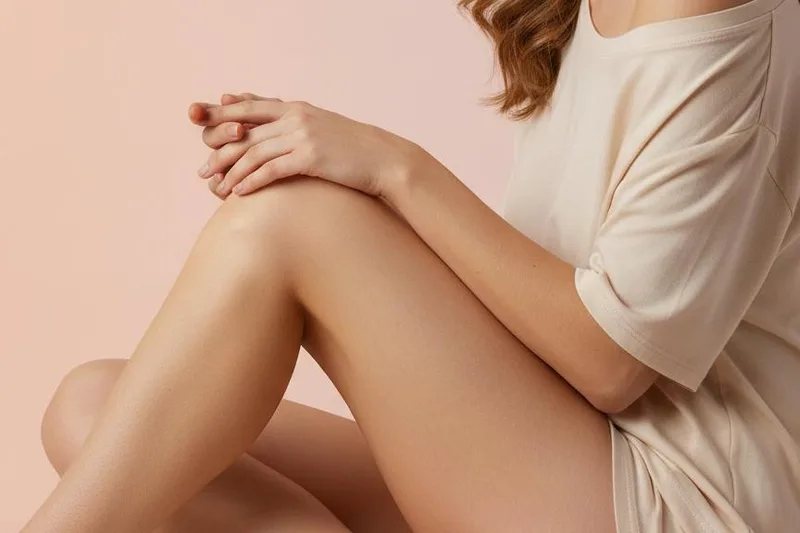
Do you also have an orange peel appearance on your skin? Let's talk about cellulite!

Do you also have an orange peel appearance on your skin? Let's talk about cellulite!

Does the skin on your thighs, buttocks, or stomach sometimes look like small lumps, like an orange peel? Many people worry about this, but it's actually a very common condition. Today we're going to talk about cellulite, which is common to many women. Don't worry, it's not a disease. Let's see what it is, why it develops, and what we can do to reduce its appearance.

Simply put, what is cellulite?

Cellulite is a condition where fat cells under our skin accumulate and push up against the surface of our skin. Think of it like a mesh of connective tissue between our skin and muscles. When these fat cells push up through that mesh, they create those dimples and bumps on the skin's surface. This is most common in areas like the thighs, buttocks, and abdomen .

Are Cellulite and Lipedema the same thing?

No. Although these two may look a little similar, they are two completely different conditions. Many people confuse the two. Let's see what the difference is between the two.

Characteristic Cellulite Lipedema
Status This is a cosmetic condition, not a medical condition. This is a medical condition. It is an abnormal accumulation of fat in the body.
Pain There is usually no pain. The skin becomes sensitive, causing pain, swelling, and easy bruising.
Affected areas Thighs, buttocks, abdomen. It usually affects the lower body (buttocks, thighs, and buttocks). It does not affect the hands or feet.
Health impact There is no harm to overall health. As the condition worsens, walking may become difficult.

Who is most likely to get this?

Although cellulite can affect both men and women, it is most common in women. In fact, between 80% and 90% of adult women have cellulite. However, less than 10% of men have the condition.

How much cellulite you have and how visible it is depends on several factors.

  • Genetics: If your mother or grandmother had this condition, you are more likely to have it too.
  • Age: As we age, our skin loses elasticity, which can make cellulite more visible.
  • Body fat percentage: As body fat increases, the appearance of cellulite may increase.
  • Skin thickness: Cellulite can be more visible in someone with thin skin than in someone with thicker skin.

The important thing is that cellulite can occur in both obese and very thin people, so it's not just a matter of body weight.

Why do we get cellulite?

The exact reason for this has not yet been discovered, but the main theory is the function of the connective tissue we discussed earlier.

Think about it, there are fibrous bands that connect the skin to the muscles under our skin. When these bands tighten irregularly, they pull the skin down. At the same time, the normal layer of fat under the skin pushes up. That's when those dimples appear on the surface of the skin.

The reason why this is more common in women is thought to be the arrangement of these connective tissue bands. In men, these bands are crisscrossed. But in women, these bands are parallel to each other. So, it is easier for fat to come up through the parallel bands than through the cross-shaped bands. That is why this appearance is clearly visible on women's skin.

Another theory is that the hormone estrogen plays a role in this. Cellulite can appear or increase during periods when estrogen levels in women's bodies increase, such as during puberty and pregnancy.

Are there levels of cellulite?

Yes, cellulite can be divided into four main levels depending on its severity.

Grade Description
Level 0 There is no cellulite on your body.
Level 1 The skin is smooth when standing, but when sitting, it looks like a little dimple.
Level 2 It looks like medium-sized pits both when standing and sitting.
Level 3 It has a hard, deep pitted and bumpy appearance that is noticeable when standing or sitting.

Can cellulite be completely eliminated?

This is the biggest problem everyone has. To be honest, cellulite cannot be eliminated 100% because it is a natural part of our body.

But the good news is that we can significantly reduce its appearance. It requires a combination of exercise, diet, and various treatments.

What treatments are available to reduce the appearance of cellulite?

There are now various treatments for this. Some are temporary and some can provide long-term results. Remember, it is essential to talk to your doctor before undergoing any treatment.

Professional Treatments

These are usually performed by cosmetic surgeons or dermatologists.

  • FDA-Approved Treatments: There are several treatments that have been approved by the US Food and Drug Administration (FDA). For example, treatments such as `(Cellfina®)`, `(Cellulaze®)` and `(Qwo®)`.
  • Subcision: A small needle-like instrument is inserted under the skin to cut away the tight connective tissue that causes cellulite.
  • Acoustic Wave Therapy: Uses sound waves to break down cellulite.
  • Laser Treatment: Helps increase skin thickness and reduce the appearance of cellulite.
  • Vacuum-assisted precise tissue release: A vacuum is used to pull the skin and cut away the tissue that is causing the lump.
  • Liposuction: This is not a direct treatment for cellulite. It removes fat that is deep under the skin.
  • Mesotherapy: Injecting medication under the skin.
  • Radiofrequency, Ultrasound: Skin tightening using heat.

Other methods

  • Creams and lotions: Applying creams containing caffeine or 0.3% retinol daily can improve the appearance of the skin to some extent. However, you need to use it continuously for at least 6 months to see results.
  • Deep Massaging: Reduces the appearance of cellulite by increasing blood circulation and giving the skin a temporary plump appearance.
  • Exercise: This is the best thing you can do at home. When you exercise, you build muscle, which tightens the skin and reduces the appearance of cellulite. Running, cycling, and resistance training are especially helpful.
  • Diet: Reduce processed foods, foods high in carbohydrates, fat, salt, and preservatives as much as possible. Drink plenty of clean water.

Is there any relief from traditional methods?

Some people are experimenting with traditional methods, the scientific basis of which is still being researched.

  • Dry Brushing: Massaging the skin with a dry, stiff brush. This increases blood circulation and temporarily swells the skin, reducing the appearance of cellulite. However, it is not a permanent solution.
  • Cupping: This is a traditional Chinese and Middle Eastern medical procedure. It involves placing cups on the skin and using a vacuum to lift the skin. Small studies have suggested that it may reduce cellulite, but there is not enough evidence to confirm this.
  • Ginkgo biloba and Grape-seed extract: These are herbal products that are thought to help reduce the appearance of cellulite by increasing blood flow in the body.

Should I see a doctor?

Cellulite is not a medical condition, so it is not necessary to see a doctor. However, if you are concerned about it, or are interested in the above-mentioned treatments, you should definitely see a doctor or dermatologist for advice.

When you visit your doctor, you can ask these questions:

  • What treatments are suitable for me?
  • What kind of exercises should I do to reduce the appearance of cellulite?
  • How long should I exercise for to get the best results?
  • What changes should I make to my diet?
  • How long does it take to see results from treatment?

Take-Home Message

  • Cellulite is not a disease. It is a very common and normal condition, especially among women.
  • While this cannot be completely eliminated, there are many ways to reduce its appearance.
  • A healthy diet and regular exercise are the best and most basic steps for this.
  • Before resorting to over-the-counter creams or other professional treatments, be sure to talk to your doctor for advice.
  • Don't be ashamed of your body. Cellulite is something that millions of women around the world have.

cellulite sinhala, cellulite in sinhala, cellulite walata prathikara, same walawal, dodam lella wage, cellulite treatment sinhala, skin lumps

⚠️ Important: The medical articles and information on Nirogi Lanka are for general awareness only, and are by no means a substitute for professional medical advice, diagnosis, or treatment. For any medical problem you have, consult a qualified physician immediately.

💬 Comments (0)

No comments yet. Be the first to share your thoughts here.

Add Your Comment

Please calculate: 1 + 8 =
Do you also have an orange peel appearance on your skin? Let's talk about cellulite!

Do you also have an orange peel appearance on your skin? Let's talk about cellulite!

Does the skin on your thighs, buttocks, or stomach sometimes look like small lumps, like an orange peel? Many people worry about this, but it's actually a very common condition. Today we're going to talk about cellulite, which is common to many women. Don't worry, it's not a disease. Let's see what it is, why it develops, and what we can do to reduce its appearance.

Simply put, what is cellulite?

Cellulite is a condition where fat cells under our skin accumulate and push up against the surface of our skin. Think of it like a mesh of connective tissue between our skin and muscles. When these fat cells push up through that mesh, they create those dimples and bumps on the skin's surface. This is most common in areas like the thighs, buttocks, and abdomen .

Are Cellulite and Lipedema the same thing?

No. Although these two may look a little similar, they are two completely different conditions. Many people confuse the two. Let's see what the difference is between the two.

Characteristic Cellulite Lipedema
Status This is a cosmetic condition, not a medical condition. This is a medical condition. It is an abnormal accumulation of fat in the body.
Pain There is usually no pain. The skin becomes sensitive, causing pain, swelling, and easy bruising.
Affected areas Thighs, buttocks, abdomen. It usually affects the lower body (buttocks, thighs, and buttocks). It does not affect the hands or feet.
Health impact There is no harm to overall health. As the condition worsens, walking may become difficult.

Who is most likely to get this?

Although cellulite can affect both men and women, it is most common in women. In fact, between 80% and 90% of adult women have cellulite. However, less than 10% of men have the condition.

How much cellulite you have and how visible it is depends on several factors.

  • Genetics: If your mother or grandmother had this condition, you are more likely to have it too.
  • Age: As we age, our skin loses elasticity, which can make cellulite more visible.
  • Body fat percentage: As body fat increases, the appearance of cellulite may increase.
  • Skin thickness: Cellulite can be more visible in someone with thin skin than in someone with thicker skin.

The important thing is that cellulite can occur in both obese and very thin people, so it's not just a matter of body weight.

Why do we get cellulite?

The exact reason for this has not yet been discovered, but the main theory is the function of the connective tissue we discussed earlier.

Think about it, there are fibrous bands that connect the skin to the muscles under our skin. When these bands tighten irregularly, they pull the skin down. At the same time, the normal layer of fat under the skin pushes up. That's when those dimples appear on the surface of the skin.

The reason why this is more common in women is thought to be the arrangement of these connective tissue bands. In men, these bands are crisscrossed. But in women, these bands are parallel to each other. So, it is easier for fat to come up through the parallel bands than through the cross-shaped bands. That is why this appearance is clearly visible on women's skin.

Another theory is that the hormone estrogen plays a role in this. Cellulite can appear or increase during periods when estrogen levels in women's bodies increase, such as during puberty and pregnancy.

Are there levels of cellulite?

Yes, cellulite can be divided into four main levels depending on its severity.

Grade Description
Level 0 There is no cellulite on your body.
Level 1 The skin is smooth when standing, but when sitting, it looks like a little dimple.
Level 2 It looks like medium-sized pits both when standing and sitting.
Level 3 It has a hard, deep pitted and bumpy appearance that is noticeable when standing or sitting.

Can cellulite be completely eliminated?

This is the biggest problem everyone has. To be honest, cellulite cannot be eliminated 100% because it is a natural part of our body.

But the good news is that we can significantly reduce its appearance. It requires a combination of exercise, diet, and various treatments.

What treatments are available to reduce the appearance of cellulite?

There are now various treatments for this. Some are temporary and some can provide long-term results. Remember, it is essential to talk to your doctor before undergoing any treatment.

Professional Treatments

These are usually performed by cosmetic surgeons or dermatologists.

  • FDA-Approved Treatments: There are several treatments that have been approved by the US Food and Drug Administration (FDA). For example, treatments such as `(Cellfina®)`, `(Cellulaze®)` and `(Qwo®)`.
  • Subcision: A small needle-like instrument is inserted under the skin to cut away the tight connective tissue that causes cellulite.
  • Acoustic Wave Therapy: Uses sound waves to break down cellulite.
  • Laser Treatment: Helps increase skin thickness and reduce the appearance of cellulite.
  • Vacuum-assisted precise tissue release: A vacuum is used to pull the skin and cut away the tissue that is causing the lump.
  • Liposuction: This is not a direct treatment for cellulite. It removes fat that is deep under the skin.
  • Mesotherapy: Injecting medication under the skin.
  • Radiofrequency, Ultrasound: Skin tightening using heat.

Other methods

  • Creams and lotions: Applying creams containing caffeine or 0.3% retinol daily can improve the appearance of the skin to some extent. However, you need to use it continuously for at least 6 months to see results.
  • Deep Massaging: Reduces the appearance of cellulite by increasing blood circulation and giving the skin a temporary plump appearance.
  • Exercise: This is the best thing you can do at home. When you exercise, you build muscle, which tightens the skin and reduces the appearance of cellulite. Running, cycling, and resistance training are especially helpful.
  • Diet: Reduce processed foods, foods high in carbohydrates, fat, salt, and preservatives as much as possible. Drink plenty of clean water.

Is there any relief from traditional methods?

Some people are experimenting with traditional methods, the scientific basis of which is still being researched.

  • Dry Brushing: Massaging the skin with a dry, stiff brush. This increases blood circulation and temporarily swells the skin, reducing the appearance of cellulite. However, it is not a permanent solution.
  • Cupping: This is a traditional Chinese and Middle Eastern medical procedure. It involves placing cups on the skin and using a vacuum to lift the skin. Small studies have suggested that it may reduce cellulite, but there is not enough evidence to confirm this.
  • Ginkgo biloba and Grape-seed extract: These are herbal products that are thought to help reduce the appearance of cellulite by increasing blood flow in the body.

Should I see a doctor?

Cellulite is not a medical condition, so it is not necessary to see a doctor. However, if you are concerned about it, or are interested in the above-mentioned treatments, you should definitely see a doctor or dermatologist for advice.

When you visit your doctor, you can ask these questions:

  • What treatments are suitable for me?
  • What kind of exercises should I do to reduce the appearance of cellulite?
  • How long should I exercise for to get the best results?
  • What changes should I make to my diet?
  • How long does it take to see results from treatment?

Take-Home Message

  • Cellulite is not a disease. It is a very common and normal condition, especially among women.
  • While this cannot be completely eliminated, there are many ways to reduce its appearance.
  • A healthy diet and regular exercise are the best and most basic steps for this.
  • Before resorting to over-the-counter creams or other professional treatments, be sure to talk to your doctor for advice.
  • Don't be ashamed of your body. Cellulite is something that millions of women around the world have.

cellulite sinhala, cellulite in sinhala, cellulite walata prathikara, same walawal, dodam lella wage, cellulite treatment sinhala, skin lumps

⚠️ Important: The medical articles and information on Nirogi Lanka are for general awareness only, and are by no means a substitute for professional medical advice, diagnosis, or treatment. For any medical problem you have, consult a qualified physician immediately.

💬 Comments (0)

No comments yet. Be the first to share your thoughts here.

Add Your Comment

Please calculate: 1 + 8 =