

Hello! If you are searching for a birth control method or want to learn more about different ways to prevent pregnancy, this guide is for you. Today, we will talk in detail about the cervical cap. You may have heard about it before, or it might be completely new to you. Let us look at what it is, how it works, and its pros and cons.
Choosing the right birth control method is an important part of your health care journey. Every body is different, and what works best for your friend might not be the right fit for you. Taking time to learn about your options helps you make confident choices about your body and your future.
Let us explore everything you need to know about this silicone birth control device in simple, everyday words. We will cover how to insert it, how long to keep it in place, and when to speak with your doctor.
Key Takeaways.
- A cervical cap is a small silicone cup that covers your cervix to block sperm.
- It must be fitted by a doctor to ensure you get the correct size for your body.
- You should use it with a spermicide gel to increase your protection against pregnancy.
- It must stay in place for at least six hours after sex, but no longer than 48 hours total.
- It does not protect you against sexually transmitted infections, so you should still use condoms.
Baby's due date (EDD)
Calculate the due date based on the last menstrual period
What Is a Cervical Cap?
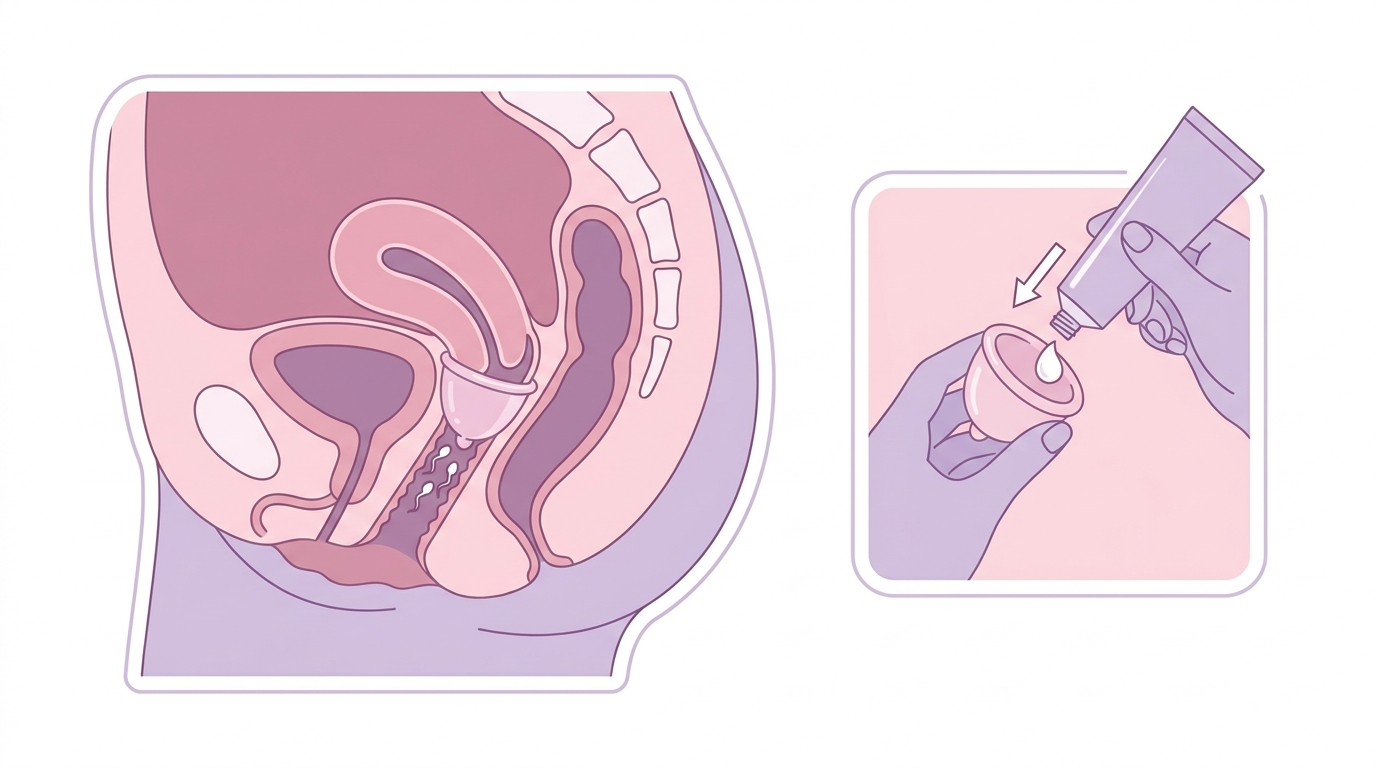
Simply put, a cervical cap is a small cup made of silicone that looks a bit like a tiny hat. You place it inside your vagina before you have sex to help prevent pregnancy. It works by covering your cervix, which is the opening to your uterus.
By blocking this opening, the cap stops sperm from swimming into your uterus to meet an egg. The cap stays securely in place inside your vagina using light suction. Right now, the only brand approved in the United States is known by the name FemCap.
The most important thing to remember is that a doctor must measure you and prescribe the correct size. Buying one off the shelf without a professional fitting will not give you the proper protection.
What Does It Look Like?
Many people say the cervical cap looks like a sailor's cap. It has a wide, curved rim on top and a dome-shaped bowl in the middle. To make it easy to pull out after you use it, there is also a small removal strap attached to the dome.
How Does a Cervical Cap Work?
The cervical cap belongs to a group of birth control options called barrier methods. This means it creates a physical wall to keep sperm from entering your uterus. The cap covers your cervix completely so sperm cannot pass through.
Most people also use this method along with a spermicide. Spermicide is a special chemical gel or cream that kills sperm or slows them down. If a stray sperm happens to slip past the edge of the cap, the spermicide is there to stop it.
Using both the physical barrier of the cap and the chemical barrier of the spermicide gives you extra protection against pregnancy. Your doctor will help you choose the right size because the cap must fit snugly over your cervix to work properly.

Natural solutions for hair fall
100% natural hair solutions for alopecia and medical hair loss.
Check Availability →How Well Does It Work?
Like every birth control method, the cervical cap only works well if you use it correctly every single time. If you do not follow the directions carefully, or if you skip using it during sex, your risk of getting pregnant goes up.
Your body changes after you give birth through your vagina. Because childbirth stretches the vaginal tissues and the cervix, a cervical cap may not fit as tightly afterwards. This can lower how well the method works for you.
- For women who have never given birth, the cap is about 86 percent effective.
- For women who have given birth vaginally, the cap is about 71 percent effective.
Note: Compared to other birth control options like birth control pills, patches, rings, or intrauterine devices, the cervical cap has a lower success rate.
How Do I Choose the Right Size?
Because cervical caps come in different sizes, you must have a doctor find the right one for you. There are usually three different sizes available based on your medical history and whether you have given birth.
Your body can change over time. This your cap size might also need to change. You will need a new fitting if you:
- Give birth through your vagina.
- Experience a miscarriage or an abortion.
Always remember that the cap only protects you if it fits correctly. Using the wrong size can lead to an accidental pregnancy.
How Do You Use a Cervical Cap?
Putting the cap in place might take a little practice at first. Ask your doctor for help during your visit, and read the package instructions carefully. The cap must fit snugly over your entire cervix to work.
Before every use, check the cap for any tiny holes or tears. If you find any damage, do not use it, because sperm could leak through. You can put the cap in up to six hours before you have sex.
Step-by-step instructions for insertion:
- Wash your hands thoroughly with soap and water.
- Put a clean finger into your vagina to find your cervix. It feels round and firm, similar to the tip of your nose.
- Apply a small amount of spermicide inside the dome and around the rim of the cap. Put some in the groove between the rim and the dome as well.
- Get into a comfortable position, such as squatting or standing with one foot up on a chair.
- Use one hand to spread your labia, and hold the cap with your other hand.
- Squeeze the sides of the cap together, with the removal strap pointing downward.
- Push the cap deep into your vagina until it covers your cervix completely.
- Run your finger around the edge of the cap to make sure your cervix is fully covered.
How Do You Remove It?
You must leave the cap in place for at least six hours after you finish having sex. When you are ready to take it out, follow these steps:
- Sit down or find a comfortable position.
- Reach inside your vagina with your fingers to find the removal strap.
- Press down on the dome of the cap to break the suction seal.
- Hook your finger into the strap and pull the cap gently downward and out.
After you take it out, wash the cap with warm water and mild soap. Let it air dry completely before you put it back into its storage case.
How Long Can You Leave It In?
You must keep the cap inside your vagina for at least six hours after your last time having sex. However, you should never leave it in for more than 48 hours total.
If you have sex more than once while wearing the cap, you must apply a fresh dose of spermicide inside your vagina each time. Do not take the cap out to add spermicide. Just add more gel into the vaginal canal.
How Long Does a Cervical Cap Last?
If you take good care of your cervical cap, it can last for about two years. Cleaning it properly after every use and storing it correctly will help it last as long as possible.
Tips for caring for your cap:
- Wash it only with mild soap and warm water.
- Always let it air dry completely before storing it.
- Never use anything other than spermicide on the cap, not even regular lubricants.
- Keep the cap in its special container away from extreme heat or cold.
- Hold the cap up to the light or fill it with water to check for hidden holes or cracks.
Is a Cervical Cap Painful?
No, using a cervical cap should not cause pain. If you feel pain or discomfort, you might need a different size or a different type of birth control.
Ask your doctor to check your fit and show you how to insert the cap properly to make sure you are doing it right.
What Are the Benefits?
There are several positive reasons to choose this method:
- The cap is small, affordable, and reusable.
- You can use it for multiple acts of sex within a 48-hour window.
- When fitted correctly, your partner usually cannot feel it during sex.
- It is easy to stop using whenever you want to try getting pregnant.
- It does not contain any hormones.
- You can insert it up to six hours before sex, so it does not interrupt foreplay.
What Are the Drawbacks?
You must use the cervical cap correctly and consistently every single time you have sex. If it slips out of place during intercourse, it will not protect you.
Other disadvantages include:
- You need a prescription from a doctor to get one.
- Using spermicide can feel messy or inconvenient.
- The cap can sometimes cause mild irritation in your vagina.
- You must remember to remove it within 48 hours.
- It provides zero protection against sexually transmitted infections.
You will also need to visit your doctor to get a new cap fitted if you:
- Have a baby through vaginal childbirth.
- Have a miscarriage or an abortion.
- Undergo pelvic surgery.
- Gain or lose a significant amount of weight.
What Are the Risks?
Using a cervical cap can sometimes raise your chance of developing certain health conditions, such as:
- Bladder and urinary tract infections.
- Cervicitis, which is inflammation of your cervix.
- Toxic shock syndrome, a rare but serious bacterial illness.
To lower your risk of toxic shock syndrome, you must remove the cap after 48 hours. Wearing the cap during your period also raises your risk, so avoid using it then. Call your doctor right away if you cannot get the cap out.
While serious complications are rare, it is important to talk about these risks with your doctor before you start using a cap.
Who Should Not Use a Cervical Cap?
You should avoid using a cervical cap if you have ever had any of the following health issues:
- Certain types of abnormal pap test results.
- Cervicitis or inflammation of the cervix.
- Pelvic inflammatory disease.
- Infections in your reproductive system.
- Toxic shock syndrome in the past.
You should also skip this method if:
- Your cervix has an irregular shape.
- You have had surgery on your cervix or vagina.
- You have trouble reaching your vagina with your fingers.
- You are allergic to silicone or spermicide.
- You are currently having your menstrual period.
Cervical Cap vs. Diaphragm: Which Is Better?
Choosing a birth control method is a personal choice. Both the cervical cap and the diaphragm are barrier methods that cover your cervix to block sperm, and both work best when used with spermicide.
Here are some differences between the two:
- A diaphragm may be easier for some people to insert and remove.
- The cervical cap is smaller, shaped like a sailor's hat, and has a rim. This a diaphragm is round and dome-shaped with a flexible spring rim.
- You can leave a cervical cap in place for longer than a diaphragm.
Your doctor can help you compare these options and decide whether a cervical cap or a diaphragm fits your lifestyle better.
Where Can You Buy a Cervical Cap?
You can only get a cervical cap with a prescription from a doctor or doctor. Once you have your prescription, you can pick up the cap at your local pharmacy.
Many health insurance plans cover birth control devices, but you will still need an appointment with a doctor to get measured and receive your prescription.
When Should I Call a Doctor?
If you use a cervical cap for birth control and notice any of these warning signs, call your doctor right away:
- Pelvic or abdominal pain.
- Foul-smelling vaginal discharge.
- Swollen, itchy, or red outer lips of your vagina.
- Pain, sores, or discomfort in your vaginal area.
If the cap gets stuck and you cannot pull it out, which happens very rarely, contact your doctor right away for help.
In very rare cases, the cap can contribute to toxic shock syndrome. Watch out for these red flag symptoms:
- High fever.
- A sudden skin rash.
- Diarrhea or vomiting.
- Flu-like body aches.
- Severe dizziness or feeling very weak.
Emergency Red Flags.
If you experience a high fever, sudden dizziness, confusion, or a sunburn-like rash while wearing a cervical cap, remove the cap right away and call 911 (US/Canada), 999 (UK), or go to your nearest emergency department (ER / A&E) right away. These can be signs of toxic shock syndrome, a medical emergency.
💡 Take-Home Message.
A cervical cap is a barrier birth control method that some people choose to prevent pregnancy. It works best when you use it along with a spermicide gel or cream. If you want to try this method, talk to your doctor to make sure you get the right size for your body.
Your doctor will teach you how to put the cap in and take it out safely. Always follow the package directions, and remember to remove the cap within 48 hours. Leaving the cap in for too long can increase your risk of serious health issues.
We hope this guide helps you understand your choices. No matter which birth control method you pick, staying informed and talking openly with your doctor is the most important step.
| Feature. | Cervical Cap. | Diaphragm. |
|---|---|---|
| Shape. | Small, hat-shaped silicone cup. | Shallow, dome-shaped rubber cup with spring rim. |
| Max Wear Time. | Up to 48 hours total. | Up to 24 hours total. |
| Prescription Needed. | Yes. | Yes. |


No comments yet. Be the first to share your question or experience below.