

Are you worried about your child? Does he or she seem sad and lonely all the time? It's normal for young children to feel sad and lonely. But if this condition persists, affecting their relationships with friends and daily activities, it could be a mental illness called Childhood Depression . This is a serious condition that requires medical advice and treatment. So let's talk about this in a little more detail today.
What is the difference between normal sadness and depression?
Feeling sad, angry, and lonely are normal feelings for a child as they grow up. This does not mean that the child has depression just because he or she was sad.
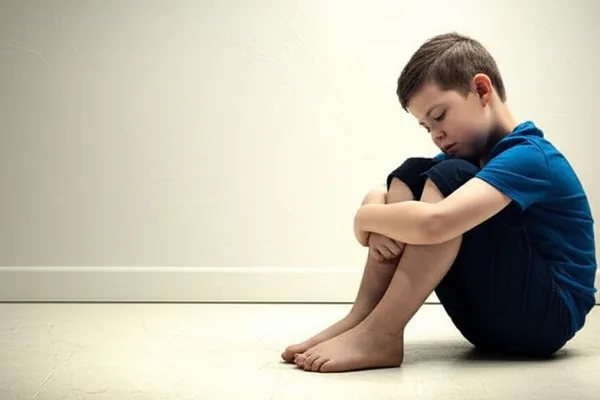
But childhood depression is something else. Simply put, it is a deep, persistent sadness . When this happens, the child feels alone, hopeless, helpless, and worthless. If this sadness continues, it can affect every aspect of the child’s life. Their daily routine, schoolwork, and relationships with friends all start to fall apart. This can affect not only the child, but also the entire family.
The best thing is that childhood depression can be diagnosed correctly and treated successfully with medication and psychotherapy. However, if left untreated, this is a serious condition that can even lead to suicide.
Why do children get depressed?
The exact cause of childhood depression has not yet been discovered. However, there are several factors that are thought to be responsible for it. These factors work together to cause this condition.
- Physical health problems
- Traumatic life events (e.g., death of a family member, parental separation)
- Having a family history of depression (genetic predisposition)
- Environmental influences (e.g., bullying at school, family conflict)
- Genetic Vulnerability
- Biochemical Disturbance
What are the symptoms of childhood depression?
These symptoms can vary from child to child. Sometimes, these can be overlooked as normal emotional changes that occur as a child grows. Therefore, it is very important to be aware of these signs.
| Characteristics category | Explanation |
|---|---|
| Changes in emotions | Feeling sad or hopeless all the time. Getting angry easily, being irritable. Feelings of worthlessness, guilt. Increased fear of rejection by others. Frequent crying or screaming. |
| Changes in habits and behavior | Changes in appetite (either eating too much or too little). Changes in sleep (insomnia or sleeping too much). Withdrawal from society, preferring to be alone. Loss of interest in things you used to enjoy (hobbies, sports). |
| Thinking and learning problems | Difficulty concentrating. Impaired thinking ability. Decreased performance in schoolwork, hobbies, and household chores. |
| Physical characteristics | Constant fatigue and lack of energy. Physical pain that does not go away with treatment (e.g. stomach ache, headache). |
| Serious symptoms | Thinking or talking about death or suicide. |
Do all these characteristics occur in every child?
No. Not every child will show all of these symptoms. In fact, even the same child may show different symptoms at different times and in different situations.
Some children, especially in a structured environment (e.g., school), may appear to be normal, but may show a significant change in their social activities , loss of interest in schoolwork, poor grades, or a lack of concern for their appearance. Children, especially those over the age of 12, may also turn to drugs or alcohol.
What are the risk factors for developing depression?
Research shows that this condition is more common among boys under the age of 10, and more common among girls by the age of 16. There are several factors that increase a child's risk of developing depression:
- Family history: If parents have had depression, especially in childhood, the child is at higher risk of developing depression as well.
- Family environment: Children who grow up in a chaotic family environment with frequent conflicts are at higher risk.
- Drug use: Children who use alcohol and drugs are also at high risk.
Sometimes symptoms of depression can be accompanied by a condition called bipolar disorder . This is more common in young children. Children with bipolar disorder may also have other conditions, such as attention deficit hyperactivity disorder (ADHD) , obsessive-compulsive disorder (OCD) , or conduct disorder (CD) .
How does a doctor diagnose this?
If your child has the symptoms of depression we discussed earlier and continue for at least two weeks , you should definitely take your child to a doctor. This will help determine if there is another physical cause for these symptoms and provide the child with the appropriate treatment.
It is very important to see a doctor, especially one who specializes in child mental health.
The doctor will talk to you and your child separately when making a diagnosis. Information from teachers and friends can also be important, as it can help determine if your child's behavior changes in different environments.
There is no specific medical test (like a blood test) that clearly shows this, but through questionnaires and detailed information obtained by the doctor, an accurate diagnosis can be reached.
How is childhood depression treated?
Treatment options for childhood depression are similar to those for adults. There are two main approaches:
1. Psychotherapy: Talking about the child's feelings, thoughts, and problems and helping them manage them.
2. Medication: Giving antidepressants.
Typically, the doctor will first refer you to psychological counseling, and if symptoms are severe or if counseling alone does not help, medication may be added. Research has shown that using both methods together yields the most successful results.
Important: There is a warning that some antidepressants may slightly increase the risk of suicidal thoughts and behavior in children and young people. So be open about this with your doctor and discuss any concerns you may have.
What are the warning signs of suicide risk that comes with depression?
As parents, we need to be very vigilant about these warning signs that indicate a child with depression is at risk of suicide.
| Warning signs to look out for |
|---|
| Frequent talk about death, suicide, or hopelessness. |
| Giving away the things you love to others. |
| Being completely isolated from society and alone. |
| Engaging in risky behavior. |
| Drug or alcohol use. |
| Severe changes in eating, sleeping, and activity. |
| Frequent accidents. |
If you see any of these symptoms, never ignore them. See a doctor immediately. If necessary, take your child to the nearest hospital's Emergency Treatment Unit (ETU) in an emergency.
Will this get better without treatment?
Childhood depression is a condition that comes and goes. Sometimes it may seem like it gets better on its own without any treatment. However, once a child has experienced depression, they are more likely to experience it again. If left untreated, the consequences of depression can be very serious, even life-threatening. Therefore, early detection and treatment are essential.
Take-Home Message
- It's normal for children to feel sad, but persistent sadness and hopelessness can be a sign of depression.
- Be concerned if you notice a clear change in your child's behavior, sleep, eating patterns, schoolwork, or social interactions.
- If you have any doubts about this condition, be sure to see a doctor for advice. This is nothing to be ashamed of.
- Childhood depression can be successfully managed with proper treatment, including psychotherapy and, if necessary, medication.
- If someone is talking about suicide or showing signs of it, do not ignore it. Seek medical advice immediately.




💬 Comments (0)
No comments yet. Be the first to share your thoughts here.
Add Your Comment