
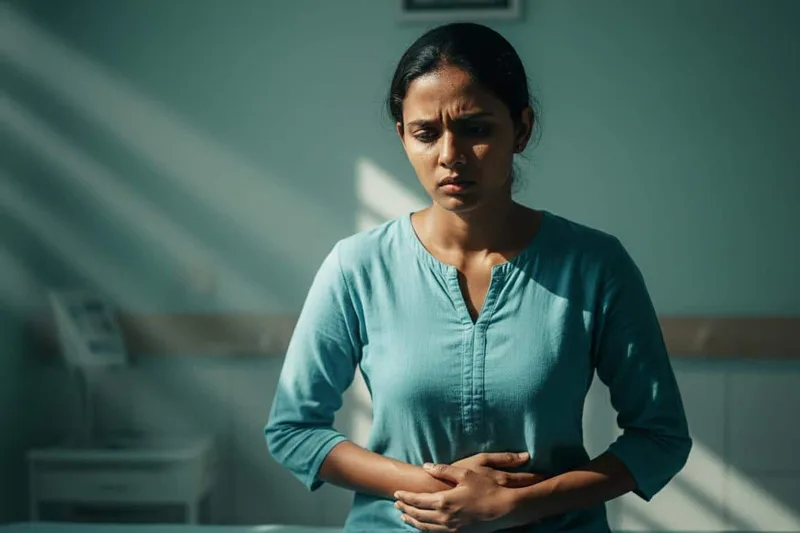
Do you remember how sometimes you suddenly have diarrhea? Sometimes it only lasts for a day or two and then it gets better on its own. But, imagine, if you have diarrhea that is watery all the time, you feel weak, and you start vomiting... Then you need to be a little careful. Because, it could be a symptom of a disease called Cholera, which can be a bit dangerous. Don't be afraid, today we will talk about this cholera simply, in a way that you can understand. It is very important to know about this, because then we can protect ourselves and get treatment quickly if necessary.
What is cholera? Simply put...
Simply put, cholera is a bacterial infection that occurs in our intestines. This causes excessive, watery diarrhea. To be precise, all the water in the body is lost. We call this condition dehydration . Not only that, but our body also loses electrolytes , which are important minerals that help the body function.
Important: Cholera is a disease that can be fatal if not treated properly. If you have diarrhea, start drinking plenty of fluids, such as water and juice. If the diarrhea is severe, if you are vomiting a lot, or if you have signs of dehydration, you should go to the hospital immediately .
Cholera is most common in areas without clean water and proper sanitation. It can also be contracted from eating raw seafood, such as shellfish. Sometimes, cholera can spread in epidemics after natural disasters, such as heavy rains, earthquakes, and hurricanes.
In which regions is cholera most common?
Throughout history, cholera epidemics have occurred almost everywhere in the world. However, in recent times, the most recent outbreaks have been reported in:
- From some countries in Asia
- Countries located south of the Sahara Desert in Africa (Sub-Saharan Africa)
- From the Caribbean Islands
It is estimated that between one million and four million people worldwide get cholera each year, and that between 20,000 and more than 100,000 people die from it each year. So this is not a disease to be taken lightly.
What are the symptoms of cholera? How do you recognize them?
The main symptom of cholera is watery stools . This is usually a grayish, slightly cloudy, mucus-like diarrhea. Think of the water that comes out when we wash rice before cooking it... that's what it is. Sometimes you can see small pieces of mucus floating in the stool. Doctors also call this 'rice water stool' . This diarrhea can suddenly become severe and can lead to life-threatening dehydration.
Other symptoms are:
- Vomiting
- Intense thirst
- Fatigue
- Muscle cramps or weakness
- Dizziness
- Very reduced or stopped urination
- Fast heart rate
But you should also know that many people who have cholera may not show any symptoms. They can spread the disease to others, without even knowing they are sick.
What causes cholera? How do we get it?
Cholera is caused by a type of bacteria called Vibrio cholerae (or V. cholerae) . This bacteria lives in warm, slightly salty (brackish) water. So, when we drink water or eat food contaminated with this V. cholerae bacteria, this bacteria attaches to the walls of our small intestine and produces toxins there. It is because of these toxins that we get diarrhea.
So, the main ways we can contract cholera are:
- By eating raw seafood like oysters.
- By drinking water contaminated with poop/feces containing the V. cholerae bacteria.
- By eating food prepared with water containing V. cholerae bacteria.
Can cholera be transmitted from person to person?
Cholera is not spread directly from person to person, like a cold. That is, it is not spread by talking or being close to someone. However, it can be spread indirectly . Do you know how ? In places where there is no clean water and few toilet facilities, if the feces (poop) of a person with cholera is contaminated and gets into the environment, it can contaminate water (for example, well water, river water). If you drink that water, or cook with that water, or wash your hands with it, the disease can spread to others. That is why cleanliness is so important.
Who is at higher risk of developing cholera?
Cholera outbreaks are more likely to occur in areas where there is a lack of clean water, proper sanitation, and methods of purifying drinking and cooking water. This risk is also higher in areas affected by natural disasters (such as earthquakes or floods).
Although anyone infected with the V. cholerae bacteria can develop cholera, some people are at higher risk. You may also be at higher risk of developing cholera if you:
- If you are a woman.
- If your blood type is 'O'.
- If your stomach acid is low, that is, if you have a condition called hypochlorhydria (for example, if you regularly take antacids or proton pump inhibitors for gastritis).
- If you have had surgery to remove part or all of your stomach (gastrectomy).
- If you have an H. pylori infection .
What are the possible complications of cholera? Are these dangerous?
Cholera is dangerous mainly because of two things : dehydration and loss of electrolytes in the body . Complications caused by these conditions can be fatal very quickly. Such complications include:
- Hypovolemic shock: This is a shock condition caused by a decrease in the amount of blood and fluid in the body.
- Heart rhythm issues.
- Organ failure, especially the kidneys.
This is why we say that if cholera is suspected, it is very important to seek treatment quickly.
How is cholera accurately diagnosed?
Doctors diagnose cholera by taking a stool sample and checking for the presence of the V. cholerae bacteria. Sometimes your doctor may also do blood tests to check your salt levels and dehydration.
What are the treatments for cholera?
The most important thing to do when treating cholera is to prevent dehydration . This can be done by drinking plenty of fluids, or by giving intravenous fluids (IV fluids) if necessary. In addition, doctors sometimes prescribe antibiotics such as doxycycline, erythromycin, or azithromycin to help you recover faster.
Giving zinc supplements to young children between 6 months and 5 years of age is also part of the treatment.
Important: Antidiarrheal medicines are not recommended for cholera. They can make symptoms worse. This is because diarrhea is actually a way for the body to expel germs.
How to protect yourself from cholera? What are the prevention methods?
The best ways to avoid cholera are:
- Drink only sanitized water. Boil the water thoroughly. Or treat it with chlorine to purify it.
- Wash your hands thoroughly with clean water and soap, especially before eating, preparing food, and after using the toilet.
- If you are unsure about the purity of the water where you live, use only bottled water for drinking and cooking.
If you live in an area where you are at high risk of cholera, or if you are traveling to one, there are oral vaccines available. Keep in mind that while these can help reduce the risk of getting the disease, they do not completely eliminate the risk.
On a larger scale, the best way to prevent cholera is to provide everyone with clean drinking water and good sanitation. This requires world-class humanitarian and public health programs.
What to do if you get cholera? When should you go to the hospital immediately?
If you get cholera – or any illness that causes diarrhea or vomiting – the most important thing is to drink plenty of fluids before you become dehydrated .
- What is good to drink?Water, salt porridge, soups, and oral rehydration solutions (ORS), such as our Jeevani, or Pedialyte® or Ceralyte®, which you can buy at the pharmacy, are the best choices for staying hydrated.
- What not to drink? Sweetened beverages like sports drinks, fruit juices, and soda can make diarrhea worse because they are high in sugar. Also, avoid taking anti-diarrheal medications.
When should you go to a hospital (ETU) immediately?
Diarrhea can quickly dehydrate you. If you have severe diarrhea or vomiting, go to the hospital or seek emergency medical attention right away. If you have diarrhea or vomiting and these symptoms, call 911 (1990 Suwaseriya in Sri Lanka) immediately or go to the hospital right away:
- Muscle cramps
- Intense thirst
- Very reduced or complete loss of urine output
- Dizziness
- Weakness
- Fast heart rate
- Confusion or altered mental state
Will cholera be cured without treatment?
Yes, cholera can be cured without antibiotics. However, it is essential to manage the symptoms properly . This means drinking plenty of fluids, replacing electrolytes, and preventing serious illness.
With treatment – that is, with proper fluid management to prevent dehydration – the mortality rate from cholera is less than 1%. However, if left untreated, this rate is more than 50% . That shows the importance of treatment, doesn't it?
What questions should you ask the doctor?
If you suspect you have cholera, it may be helpful to ask these questions when you see a doctor:
- What is the best way to stay hydrated?
- What should I do if I feel dehydrated?
- What should I do to prevent cholera from spreading to others?
If I go to a place where there is cholera, how can I protect myself?
In the United States, there is an organization called the CDC (Centers for Disease Control and Prevention). On their website (Travel Health Notices), travelers can find information about areas where diseases like cholera are prevalent.
If you live in an area where cholera is common, or if you are planning to travel to one, be very careful about the water you drink. Wash your hands well, and be careful when preparing food. These things can help you:
- Bottled water
- Chlorine tablets - purify water
- Household bleach - to purify water (use the right amount)
- Iodine tablets - purify water
- Prepackaged foods
Finally, things to remember (Take-Home Message)
So, if you have severe diarrhea, whether from cholera or any other cause, see a doctor immediately . You must replace fluids and electrolytes to prevent dehydration. This complication, called dehydration, can cause serious health problems and even death.
Although we don't hear about cholera often, it is still a major health threat around the world. Public health departments are working together to reduce cholera outbreaks and deaths, especially in affected areas.
If you are traveling to an area where cholera is common, getting a vaccine can help protect you and others. Drink plenty of water, salted porridge, and jeevani as soon as you get diarrhea. If you are unsure whether you can stay hydrated, seek medical advice without delay . Remember, cleanliness is the best defense against cholera!
👩🏽⚕️ Additional questions (FAQs)
💬 Is cholera more dangerous than a normal diarrhea?
Very dangerous! When the Vibrio cholera bacteria enters the body, it releases a toxin. That toxin causes all the water in our intestines to be released at once. This bowel movement is like 'rice-water stool' and turns white continuously. If left untreated, a person can completely dry out and die within a few hours.
💬 How is this transmitted?
It is mainly spread by drinking fecal-contaminated water contaminated with the bacteria and eating raw food (especially seafood) that has been washed in that water. It is not spread through breathing, like a cold, even if someone with cholera is infected.
💬 Are antibiotics the best medicine for this?
Antibiotics are not the main and life-saving treatment for this, although they can kill the bacteria. The patient dies from this, not from the bacteria, but from dehydration. Therefore, the main treatment is to immediately give ORS and, if the patient is critically ill, add bottles of saline (IV fluids) to the body.
` Cholera, diarrhea, vomiting, dehydration, bacterial infection, Vibrio cholerae, clean water, sanitation, infectious diseases


💬 Comments (0)
No comments yet. Be the first to share your thoughts here.
Add Your Comment