
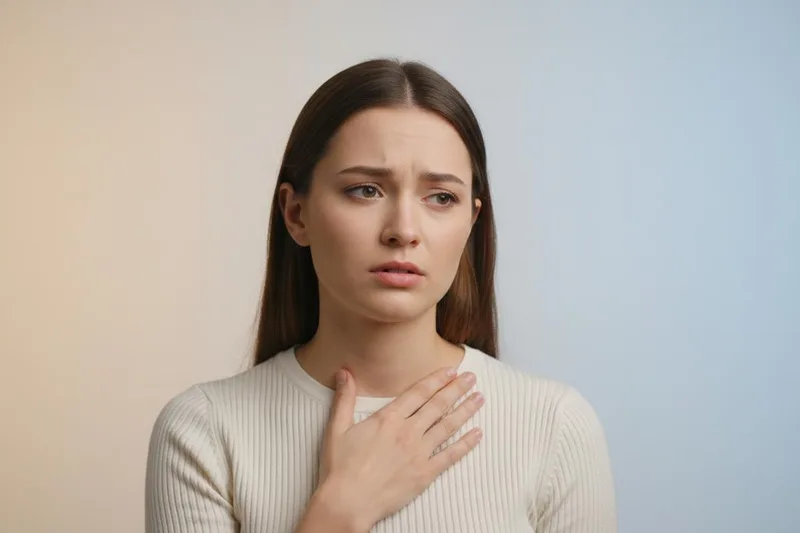
Do you often feel short of breath, chest tightness? Or do you have a cough that comes with phlegm for a long time? You may think that this is just a common cold, or a condition like asthma. But if these symptoms persist, it could be COPD (Chronic Obstructive Pulmonary Disease) , a lung disease that we all need to be aware of. Don't worry, we'll talk about this in detail today, as if we were talking to a friend.
What is COPD (Chronic Obstructive Pulmonary Disease)?
Simply put, COPD is an irreversible condition that damages our lungs and airways (respiratory tracts), gradually reducing their function and making it difficult to breathe. Like an old rubber tube, the tiny air sacs (alveoli) in our lungs and airways lose their elasticity. They also become swollen and filled with mucus, blocking our airways. Think of it like a water pipe getting clogged with dirt, making it difficult for water to flow.
With COPD, your lungs and airways may experience changes like these:
- Loss of elasticity in the air sacs (alveoli) and airways of the lungs.
- Inflammation, scarring (fibrosis), and narrowing of the airways.
- Thick mucus buildup in the respiratory tract.
- The walls between the air sacs (alveoli) are destroyed, they become enlarged, and the inhaled air is trapped inside.
People with COPD often have periods when their symptoms suddenly get worse. We call these "exacerbations." During these times, breathing becomes more difficult, mucus builds up, wheezing occurs, and coughing increases. Sometimes, if this condition becomes severe, you may need to be hospitalized .
COPD is a progressive disease that gets worse over time. But this varies from person to person. Some people may not experience any significant changes for years, while others may experience rapid progression of the disease.
What are the main types of COPD?
There are two main conditions that fall under the umbrella term COPD. Often, a person with COPD may have symptoms of both.
Emphysema
This is when the tiny air sacs (alveoli) in your lungs become damaged and enlarged. This makes it difficult to breathe. The main symptom is shortness of breath (dyspnea) , which is like being short of breath even with a little exertion.
Chronic bronchitis
This is when the large airways (bronchial tubes) in your lungs become inflamed. This causes the airways to narrow and causes a lot of mucus to build up. The main symptom is a persistent cough, especially a cough with mucus .
What are the symptoms of COPD?
Now let's look at the symptoms that a person with COPD may exhibit. Think about whether you have any of these symptoms:
- A long-term cough with mucus (a cough that lasts for at least three months at a time, for at least two years).
- Difficulty breathing deeply.
- Shortness of breath , especially when doing daily activities or feeling a little tired.
- Wheezing or other abnormal lung sounds.
- Barrel-shaped chest (when the disease is severe).
- Sometimes there is a blue discoloration of the skin (cyanosis) , especially the lips and fingernails (when there is not enough oxygen in the blood).
If you have one or more of these symptoms, it is very important to seek medical advice.
What are the causes of COPD?
The main and most common cause of COPD is smoking . The smoke from cigarettes, cigars, and beedis goes straight into our lungs and damages them. If you are a smoker, you should definitely think about this.
But non-smokers can also develop COPD. Other causes include:
- Alpha-1 antitrypsin deficiency: This is a genetic disease. When this protein is low, it can damage the lungs.
- Secondhand smoke: Even if you don't smoke, if you frequently hang out in places where people smoke, it can also affect you.
- Air pollution: Things like smoke from factories and vehicles.
- Exposure to dust and fumes from work or hobbies: Dust and fumes from some industries (quarrying, mining, textile industries) and some hobbies (woodworking, welding) are also harmful.
Who is at higher risk of developing this disease?
Although smoking is the biggest risk factor, not everyone who smokes develops COPD. However, you may be at increased risk of developing COPD if you:
- If you are a woman (recent studies show that women are also at significant risk).
- If you are over 65 years old .
- If you are frequently exposed to air pollution .
- If your job exposes you to chemicals, dust, or fumes .
- If you have alpha-1 antitrypsin deficiency .
- If you have had frequent respiratory infections as a child .
What complications can occur due to COPD?
COPD can cause bacteria to build up in the lungs, causing infections. It can also prevent the body from getting enough oxygen and removing carbon dioxide from the body. This can lead to serious complications. Some of them include:
- Pneumonia: An infection of the lungs.
- Increased carbon dioxide levels in the blood (hypercapnia).
- Low oxygen levels in the blood (hypoxemia).
- Respiratory failure: A condition in which the lungs are unable to function on their own.
- Pulmonary hypertension: Increased pressure in the blood vessels of the lungs.
- Right-sided heart failure (`cor pulmonale`): Problems in the lungs affect the right side of the heart.
- Pneumothorax: Air leaks from the lungs and collects in the chest cavity.
- Polycythemia: The body produces too many red blood cells (when there is a lack of oxygen).
This is why it is so important to seek proper treatment and follow medical advice if you have COPD.
How is COPD (Chronic Obstructive Pulmonary Disease) diagnosed?
If you think you have symptoms of COPD, it's best to see a doctor for a checkup. The doctor will examine you, ask you questions about your health history, and may also do some tests to see how well your lungs are working.
The doctor may ask you questions like:
- Do you smoke? Have you ever smoked?
- Have you been exposed to dust and air pollution for a long time?
- Does anyone in your family have COPD, other lung diseases, or liver disease?
- Do you get short of breath when you exercise? Does it happen even when you just stand still?
- Do you have a cough for a long time and a wheezing sound coming from your chest?
- Does phlegm come out when you cough?
What tests are used to diagnose COPD?
Your doctor may use the following tests to confirm COPD:
- Pulmonary function tests: The main test here is called spirometry . This tests how hard and how much air you can exhale in one breath. This can tell you how much your airways are blocked.
- Pulse oximetry: A simple test that measures the oxygen level in the blood by placing something like a clip on your finger.
- Chest X-ray or CT scan: These images can show changes in the lungs caused by COPD.
- Arterial blood gas test: This is a test that takes a blood sample and can accurately determine the levels of oxygen and carbon dioxide in the blood.
- Exercise testing: This is done to see if your blood oxygen levels decrease when you exercise.
- Electrocardiogram (ECG or EKG): This helps to determine if shortness of breath is due to heart disease and to check the function of the heart.
- Blood tests: AAT protein levels can be checked to see if you have `Alpha-1 antitrypsin deficiency`.
- Genetic testing: This test may be performed if the doctor suspects that the lungs are affected by a genetic condition.
What are the stages of COPD?
Your doctor can determine the stage of COPD based on the results of your spirometry test, specifically your FEV1 (Forced Expiratory Volume in one second) value. This tells you how much your airways are blocked.
The stages of COPD, depending on the severity of the disease, are as follows:
- Stage 1: FEV1 value 80% or more. (Mild case)
- Stage 2: FEV1 value between 50% and 79% (moderate stage)
- Stage 3: FEV1 value between 30% and 49% (severe)
- Stage 4: FEV1 value less than 30%. (Very severe case)
Additionally, your doctor may classify you into categories A, B, or E based on your symptoms and risk of exacerbation:
- A: Fewer symptoms, lower risk of exacerbation.
- B: More symptoms, less risk of exacerbation.
- E: The risk of escalation is high.
Your stage of the disease and your symptoms don't always go hand in hand. For example, you may have less symptoms even if you're in stage 3 or 4. Your doctor will take all of this into account to determine the best treatment for you.
How is COPD treated?
Unfortunately, COPD is not a completely curable disease . The damage to the lungs cannot be reversed. However, there are many treatments that can help control symptoms, improve quality of life, and reduce exacerbations .
Your doctor may suggest treatments like these:
- Smoking cessation programs: If you are a smoker, this is the most important and first thing you should do . Quitting smoking can greatly reduce the risk of COPD worsening.
- Inhaled medications: Medications such as bronchodilators and steroids can be taken through an inhaler or as a liquid through a nebulizer. These reduce swelling in the airways, opening them up and making it easier to breathe.
- Oxygen therapy: If your blood oxygen levels are low, you may need to receive supplemental oxygen.
- Pulmonary rehabilitation: This is an exercise and educational program that helps strengthen the lungs and help you adapt to living with COPD.
- Corticosteroids: During an exacerbation, steroid pills or injections may be given for a short period of time to reduce swelling.
- Positive airway pressure therapy: Your doctor may recommend using a `BiPAP` machine to help you breathe, especially during periods of exacerbation.
- Antibiotics: If you have frequent bacterial infections in the lungs, antibiotics may be given to prevent them and reduce the severity of the disease.
- Lung volume reduction (LVR) surgery or procedure: For those who are eligible and have severe disease, surgery or a valve placement procedure can be performed to reduce the amount of air trapped in the lungs.
- Clinical trials: Studies that test how safe and effective new treatments are. If there is a new treatment that might be right for you, your doctor may refer you to it.
Can someone with COPD recover?
The damage to your lungs from COPD is permanent and cannot be reversed. However, there are ways to manage your symptoms, and sometimes even improve them, and live longer. By following your doctor's instructions carefully and participating in a pulmonary rehabilitation program, you can reduce your symptoms and improve your quality of life.
Is it possible to live a long time with COPD?
How long you live with COPD depends on the severity of the disease and how quickly it gets worse. Many people live for decades after being diagnosed , especially if treatment is started early. It is estimated that people with stage 3 or 4 of the disease can live six to nine years less than the average person. But this varies from person to person.
Is COPD a fatal disease?
Although COPD is a disease that gets worse over time, it is not always fatal . How quickly it gets worse varies from person to person. Over time (usually years, sometimes decades), many people with COPD become unable to breathe on their own. But some people live for a long time without severe symptoms.
Can COPD be prevented?
The best way to prevent COPD is to avoid smoking and to protect yourself from secondhand smoke and other pollutants that can harm your lungs.
People with COPD are more likely to get respiratory infections. These infections can lead to pneumonia or make symptoms worse. You can do these things to help protect yourself from infections:
- Get all the vaccines your doctor recommends. Examples include the influenza (flu) vaccine, the pneumococcal pneumonia (pneumococcal pneumonia) vaccine, and the COVID-19 (COVID-19) vaccine.
- Wash your hands often.
- Disinfect surfaces in places you frequent.
- If your doctor recommends it, wear a mask when around other people.
- Avoid crowded places , especially during cold and flu epidemics and during COVID outbreaks.
If I have COPD, how can I take care of myself?
If you have COPD, follow these tips to take good care of yourself:
- Stay away from things that are harmful to the lungs and that aggravate symptoms. These include smoking, secondhand smoke, dust, air pollution, and strong perfumes.
- Participate in pulmonary rehabilitation sessions. This includes physical exercises, occupational therapy, and educational programs. Continue the plan even after the sessions are over.
- Talk to a registered dietitian. He or she can help you understand what foods are good for your health, what you should eat, and what you should avoid.
- Take all your medications as prescribed, at the prescribed times. Bring your daily medication before it runs out.
- Make a plan for flare-ups. Talk to your doctor and make a plan about what to do if your symptoms flare up, what medications to take, and when to go to the hospital.
- Learn how to use your medical equipment properly. This includes things like inhalers, nebulizers, and CPAP machines. Ask your doctor to demonstrate how to use these properly.
- Take care of your mental health. Living with a chronic illness can be stressful. See a psychiatrist, psychologist, or counselor to talk about this.
When should I see a doctor?
If you think you may have COPD, don't delay seeing a doctor . Early diagnosis and treatment can help reduce the risk of your symptoms getting worse.
If you already have COPD, see your doctor immediately if you notice any of these signs of infection or changes in your symptoms:
- Increased difficulty breathing: If you feel like you can't walk the distance you used to be able to, if you have more difficulty breathing at night, or if you have to use your breathing treatments (medications, inhalers) more often than usual.
- Changes in mucus: Change in color of mucus, blood-tinged mucus, foul odor, more mucus than usual, or mucus that is thicker.
- Increased coughing or chest tightness.
- New or worsening swelling in your ankles, feet, or legs. Tell your doctor if the swelling doesn't go down even after sleeping with your legs elevated at night.
- Weight loss or gain for no reason.
- Frequent headaches or dizziness in the morning.
- Feeling very tired or weak for no reason. Tell your doctor if this lasts more than a day.
- Fever or chills.
- Other symptoms of infection: things like a sore throat, unusual runny nose, stuffy nose, headache, or pain in the upper cheek area.
When should I go to an emergency room?
If you have any of these symptoms, go to the nearest emergency room immediately:
- High fever (over 103 Fahrenheit/40 Celsius).
- Sudden or severe difficulty breathing.
- Restlessness, confusion, forgetfulness, or irritability.
- Slurred speech.
What questions should I ask my doctor?
It may be helpful to ask questions like these when you see your doctor:
- What are the best ways to take good care of myself?
- Can I improve my symptoms?
- How should I use these medications?
- How should I use my inhaler, nebulizer, or other medical device?
- When should I see you again?
- When should I go to the emergency room?
Living with a chronic lung disease like COPD can sometimes feel overwhelming, scary, frustrating, and lonely. But there are ways to keep your lung muscles strong for as long as possible and even manage your symptoms. Working with your healthcare team to create a plan to keep you healthy and reduce flare-ups can help you manage your condition. Talk to your loved ones about how you can support them and what to do if your condition worsens.
Remember, if you are constantly having trouble breathing, have a persistent cough, or feel tired easily, don't delay in seeing a doctor. Early detection can improve your quality of life and help you stay healthy for years to come.
Finally, things to remember
So, COPD is not something to be afraid of, but it is not something to be taken lightly either. The most important thing is to seek medical advice immediately if you have symptoms, and if you smoke, make a strong commitment to quit today.
- Quit smoking - This is the biggest and best step you can take against COPD.
- Use the medicine your doctor prescribes correctly . Learn how to use your inhaler properly.
- It would be very valuable if you could participate in pulmonary rehabilitation programs .
- Maintain a healthy diet and exercise habits (as directed by your doctor).
- Get vaccinated and practice good health habits to protect yourself from infections .
You are not alone. There are doctors, nurses, and family members who can help you. So stay strong, follow these tips, and try to live a good life with COPD.
` COPD, lung disease, breathing difficulties, chronic bronchitis, emphysema, smoking, respiratory disease




💬 Comments (0)
No comments yet. Be the first to share your thoughts here.
Add Your Comment