

Sometimes stubborn skin rashes, ringworm, or itchy patches refuse to heal with ordinary creams. Your skin might feel intensely itchy, look bright red, or even start peeling away in flakes. When standard over-the-counter creams fail to bring relief, your doctor may prescribe a specialized combination medicine. One such treatment is a prescription lotion containing both clotrimazole and betamethasone. Let us explore this combined medicine in detail to help you understand how it works and how to use it safely.
Dealing with persistent skin problems can be frustrating and uncomfortable for anyone. Knowing what your prescribed medicine does can give you peace of mind during your recovery. This guide breaks down everything you need to know about using this lotion properly, avoiding side effects, and protecting your skin.
Key Takeaways
- This medicine combines an antifungal agent with a mild prescription steroid.
- It kills fungus while quickly calming redness, swelling, and intense itching.
- Always follow your doctor's exact instructions and complete the full course.
- Never cover the treated skin with airtight bandages or use it for diaper rash.
- Consult your doctor right away if your symptoms do not improve within the expected timeframe.
What Does This Medicine Actually Do?
This prescription lotion contains two active ingredients working together as a team. Simply put, it is a combination of two distinct medicines designed to tackle difficult skin issues.
The first active ingredient is clotrimazole. This works as an antifungal medicine designed to fight fungal cells causing your skin infection. It helps eliminate fungi responsible for conditions like ringworm, jock itch, and athlete's foot.
The second active ingredient is betamethasone. This belongs to a group of medicines called corticosteroids. It is a prescription steroid used to control swelling, redness, and severe itching caused by the infection.
When these two ingredients work together, one destroys the underlying fungal infection while the other relieves your uncomfortable symptoms. This dual action helps your skin heal faster and provides much-needed comfort.
Things to Tell Your Doctor Before Using This Medicine
Before your doctor prescribes this lotion, sharing your complete medical history is very important. Open communication ensures you receive the safest and most effective treatment plan possible.
Tell your doctor right away if you have allergies to clotrimazole, betamethasone, or any other medicines, foods, or dyes. Mention if you have large areas of broken skin, severe burns, or open wounds.
Inform your doctor if your skin feels unusually thin or fragile. Mention any blood circulation problems you might have, especially in your lower legs and feet.
Let your doctor know if you are pregnant, planning to become pregnant, or currently breastfeeding. Providing these details helps your doctor choose the safest treatment option for your specific situation.
How to Use This Medicine Correctly
Getting the best results from your treatment requires applying the medicine correctly. Keep these essential steps in mind every time you use the lotion.
This medicine is meant for application on the skin only. Never swallow it or take it by mouth under any circumstances.
Wash your hands thoroughly with soap before and after applying the lotion. However, if you are treating an infection on your hands or fingernails, wash your hands only before application.
Apply a very thin layer of the lotion directly onto the affected skin area. Gently rub the medicine into your skin until it disappears. Do not apply more than what your doctor recommended.
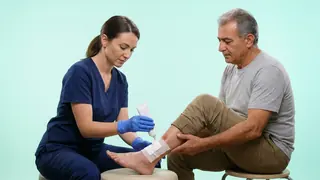
Never cover the treated area with airtight bandages or plastic wraps. Doing so can cause your skin to absorb too much medicine, leading to unwanted side effects.
Continue using the medicine for the full duration prescribed by your doctor, even if your skin looks completely healed. Stopping too early can cause the fungal infection to return.
Avoid getting the lotion onto healthy, uninfected areas of your skin. Apply it strictly to the rash and a tiny margin of surrounding healthy skin.
If you are treating jock itch, apply a very small amount. Unless your doctor specifically instructs otherwise, do not use this lotion in the groin area for more than two weeks.
Keep the lotion away from your eyes at all times. If accidental contact occurs, rinse your eyes right away with plenty of clean water.
Children under 17 years old and adults over 65 years old may require special precautions. Always follow your doctor's exact guidance for these age groups.
What Happens If You Use Too Much?
If you suspect you have applied more lotion than recommended, stay calm but remain vigilant. Contact your local emergency services or visit the nearest emergency department right away if you notice unusual symptoms.
Things to Watch Out For While Using the Medicine
Monitoring your skin condition while using this prescription lotion helps ensure your treatment stays on track. Keep close track of how your skin responds over the first couple of weeks.
| Affected Area | When to Contact Your Doctor |
|---|---|
| Body or Groin Area | If symptoms show no improvement after one week of consistent treatment. |
| Feet (Athlete's Foot) | If symptoms show no improvement after two weeks of consistent treatment. |
| Any Skin Area | If the fungal infection returns shortly after you finish your prescribed course. |
Practical Lifestyle Tips
Simple daily habits can greatly support your medical treatment and prevent fungal infections from returning in the future.
For jock itch, let your groin area dry completely after bathing or showering. Avoid tight-fitting synthetic underwear made from nylon. Instead, choose breathable, loose-fitting cotton underwear.
For athlete's foot, dry your feet thoroughly after washing, paying special attention to the spaces between your toes. Avoid socks made from wool, nylon, or rayon. Wear clean cotton socks and change them at least once a day, or more often if your feet sweat heavily. Choose well-ventilated shoes or open sandals whenever possible.
Critical Safety Warning
Never use this lotion to treat diaper rash under any circumstances. Applying steroid-containing lotions to infant diaper areas can cause severe skin damage and systemic absorption issues.
Potential Side Effects to Watch For
Like any medical treatment, this lotion can cause side effects in some people, though not everyone experiences them. Understanding these potential reactions helps you respond appropriately.
| Side Effect Category | Description and Action |
|---|---|
| Serious Allergic Reactions | Seek emergency medical care right away if you develop skin rashes, severe itching, or swelling of your face, lips, tongue, or throat. Call 911 or 999 or go to the nearest emergency department. |
| Skin Thinning | Prolonged use can cause the treated skin to become thin, bruise easily, or become extra sensitive to sunlight. Contact your doctor if you notice skin thinning. |
| Unresolved Infection | If your sores fail to heal or if new skin infections appear, stop use and consult your doctor right away for a reassessment. |
| Mild Skin Irritation | Some people experience mild dryness, peeling, slight burning, or minor itching at the application site. Consult your doctor if these symptoms persist or become bothersome. |
How to Store Your Medicine Properly
Proper storage ensures your medicine maintains its effectiveness throughout your treatment period.
Store the lotion in a safe place completely out of the reach of children and pets. Keep it at room temperature, ideally between 15°C and 30°C (59°F to 86°F). Never store this medicine in the freezer compartment.
Check the expiration date printed on the packaging before use. Safely discard any expired or leftover lotion according to local pharmacy disposal guidelines.





No comments yet. Be the first to share your question or experience below.