
It's cold everywhere these days! How to protect yourself from influenza (Flu)?

It's cold everywhere these days! How to protect yourself from influenza (Flu)?

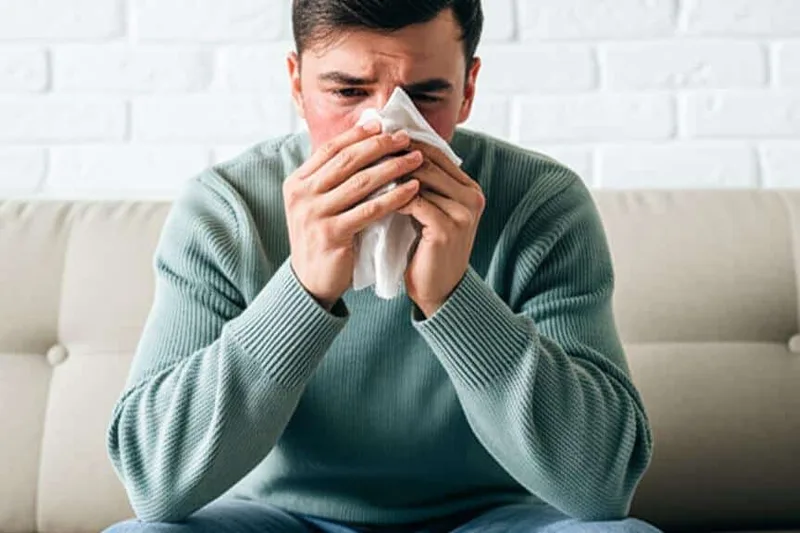
These days, almost everyone has a cold or flu. In the office, at school, on the bus, wherever you go, someone is coughing or sneezing. Although this may seem like a normal thing, sometimes it is not a simple cold, but influenza or what we call the 'flu'. For most people, when they get it, they get better after staying home for a week or two. But for someone with other diseases like asthma, heart disease, diabetes, or a weak immune system, it can be dangerous. Therefore, the best thing is to avoid the disease before it develops. Let's see what can be done about it.

Vaccination is the best protection

According to medical experts, the best and most effective way to protect yourself from influenza is to get the vaccine. It is generally recommended to get this vaccine every year.

These vaccines are designed to target the strains of the virus that health experts predict will be most prevalent at that time. You may remember the outbreak of the H1N1 (swine flu) virus. These vaccines are designed to protect against those strains. Some vaccines protect against four strains of the virus, which are called quadrivalent vaccines.

The most important thing is that you will not get a fever from this vaccine. This is because the vaccine contains a killed or very weakened virus. So even if you get a slight ache, a body ache, or a low-grade fever, that is normal. Don't worry.

Let's learn a little about the types of vaccines, shall we?

There are several types of influenza vaccines. You can talk to your doctor to decide which vaccine is best for you, based on your age and health condition.

Type of vaccine Who is it suitable for? Special points
Regular vaccination (Flu Shot) For anyone over 6 months old. This contains a killed virus. It is injected into the muscle.
Nasal Spray (FluMist) For healthy people between the ages of 2 and 49. It contains a live but very weakened virus. It is not suitable for pregnant women or those with allergies to the vaccine.
Egg-free vaccine for those with egg allergies For those between the ages of 18 and 49 who have severe allergies to eggs. If you have a severe allergy, it is safest to get this vaccine from a doctor (at a hospital, clinic) who can provide emergency treatment.
Special vaccine for adults (High-Dose Vaccine - Fluzone) For those over 65 years old. This dose is high enough to provide better protection for the immune system, which weakens with age.

Let's stay safe from germs!

The influenza virus is very easy to spread. Imagine, if someone who is sick near you sneezes or coughs, droplets containing the virus can go directly into your nose and mouth.

Not only that, you can also get the virus by touching a surface that has been contaminated with the virus. For example, the virus can survive for up to 8 hours on surfaces that have been used by an infected person, such as a table, doorknob, office phone, or bus seat. If you touch such a surface and then touch your eyes, nose, or mouth with the same hand, you will infect yourself with the virus.

So be careful about these things:

  • Wash your hands often. Wash your hands thoroughly with soap and lukewarm water. This is especially important after coming home from the house, shaking hands with someone, or touching public places.
  • Keep a hand sanitizer handy. This is very useful in places where you can't always wash your hands. An alcohol-based one is best.
  • Don't touch your face unnecessarily. Stop the habit of touching your eyes, nose, and mouth without washing your hands today.
  • Sharing is not a good idea at this time. Especially, do not share things like plates, water glasses, and cutlery with others.

Take care of your body too.

If your immune system is strong, it will be easier for your body to fight off any germ, not just influenza. For that, you need to stay healthy.

  • Eat a good, nutritious diet. Include more vegetables, fruits, and greens in your diet.
  • Exercise. Do some form of exercise that makes you sweat at least 5 days a week, for at least 30 minutes a day.
  • Get enough sleep. Getting a good night's sleep of between 7 and 9 hours is very important for your immune system.

These simple things will give your body the strength it needs to fight viruses.

If you smoke, that also affects you.

Smoking increases the risk of cancer, makes the skin wrinkle more quickly, and increases the risk of getting the flu. Studies have found that smokers get the flu more often than non-smokers, and when they do, they are more likely to get sick. So, avoiding the flu is another good reason to consider quitting smoking. Talk to your doctor about this and ask for help.

What to do if you get a fever?

Even with all this, sometimes we can get sick. If that happens, think about others too. You can still infect someone else for up to a week after you get sick.

  • Seek medical advice: See a doctor as soon as you start to feel flu-like symptoms. Sometimes your doctor may prescribe antiviral drugs, such as oseltamivir (Tamiflu). However, these are most effective if taken early, within the first two days of illness.
  • Stay home: Stay home and rest until you feel better. Do not go to work or school until your fever is completely gone and you have not taken any medication.
  • Protect others: Instead of covering your mouth with your hand when coughing or sneezing, cough into your elbow. This will prevent germs from spreading to your hands. Dispose of used tissues carefully in the trash, rather than throwing them away.

Take-Home Message

  • The best way to protect yourself from influenza (flu) is to get vaccinated.
  • Wash your hands often with soap and water. Avoid touching your face, eyes, nose, and mouth without washing your hands.
  • Keep your immune system strong with a good nutritious diet, adequate sleep, and exercise.
  • If you develop flu-like symptoms, stay home to protect others and see your doctor immediately.
  • Smoking can make influenza worse. Ask your doctor for advice on quitting.

Influenza, flu, flu prevention, flu vaccine, health, germs

⚠️ Important: The medical articles and information on Nirogi Lanka are for general awareness only, and are by no means a substitute for professional medical advice, diagnosis, or treatment. For any medical problem you have, consult a qualified physician immediately.

💬 Comments (0)

No comments yet. Be the first to share your thoughts here.

Add Your Comment

Please calculate: 4 + 2 =
It's cold everywhere these days! How to protect yourself from influenza (Flu)?
Preventive HealthJuly 7, 2026

It's cold everywhere these days! How to protect yourself from influenza (Flu)?

These days, almost everyone has a cold or flu. In the office, at school, on the bus, wherever you go, someone is coughing or sneezing. Although this may seem like a normal thing, sometimes it is not a simple cold, but influenza or what we call the 'flu'. For most people, when they get it, they get better after staying home for a week or two. But for someone with other diseases like asthma, heart disease, diabetes, or a weak immune system, it can be dangerous. Therefore, the best thing is to avoid the disease before it develops. Let's see what can be done about it.

Vaccination is the best protection

According to medical experts, the best and most effective way to protect yourself from influenza is to get the vaccine. It is generally recommended to get this vaccine every year.

These vaccines are designed to target the strains of the virus that health experts predict will be most prevalent at that time. You may remember the outbreak of the H1N1 (swine flu) virus. These vaccines are designed to protect against those strains. Some vaccines protect against four strains of the virus, which are called quadrivalent vaccines.

The most important thing is that you will not get a fever from this vaccine. This is because the vaccine contains a killed or very weakened virus. So even if you get a slight ache, a body ache, or a low-grade fever, that is normal. Don't worry.

Let's learn a little about the types of vaccines, shall we?

There are several types of influenza vaccines. You can talk to your doctor to decide which vaccine is best for you, based on your age and health condition.

Type of vaccine Who is it suitable for? Special points
Regular vaccination (Flu Shot) For anyone over 6 months old. This contains a killed virus. It is injected into the muscle.
Nasal Spray (FluMist) For healthy people between the ages of 2 and 49. It contains a live but very weakened virus. It is not suitable for pregnant women or those with allergies to the vaccine.
Egg-free vaccine for those with egg allergies For those between the ages of 18 and 49 who have severe allergies to eggs. If you have a severe allergy, it is safest to get this vaccine from a doctor (at a hospital, clinic) who can provide emergency treatment.
Special vaccine for adults (High-Dose Vaccine - Fluzone) For those over 65 years old. This dose is high enough to provide better protection for the immune system, which weakens with age.

Let's stay safe from germs!

The influenza virus is very easy to spread. Imagine, if someone who is sick near you sneezes or coughs, droplets containing the virus can go directly into your nose and mouth.

Not only that, you can also get the virus by touching a surface that has been contaminated with the virus. For example, the virus can survive for up to 8 hours on surfaces that have been used by an infected person, such as a table, doorknob, office phone, or bus seat. If you touch such a surface and then touch your eyes, nose, or mouth with the same hand, you will infect yourself with the virus.

So be careful about these things:

  • Wash your hands often. Wash your hands thoroughly with soap and lukewarm water. This is especially important after coming home from the house, shaking hands with someone, or touching public places.
  • Keep a hand sanitizer handy. This is very useful in places where you can't always wash your hands. An alcohol-based one is best.
  • Don't touch your face unnecessarily. Stop the habit of touching your eyes, nose, and mouth without washing your hands today.
  • Sharing is not a good idea at this time. Especially, do not share things like plates, water glasses, and cutlery with others.

Take care of your body too.

If your immune system is strong, it will be easier for your body to fight off any germ, not just influenza. For that, you need to stay healthy.

  • Eat a good, nutritious diet. Include more vegetables, fruits, and greens in your diet.
  • Exercise. Do some form of exercise that makes you sweat at least 5 days a week, for at least 30 minutes a day.
  • Get enough sleep. Getting a good night's sleep of between 7 and 9 hours is very important for your immune system.

These simple things will give your body the strength it needs to fight viruses.

If you smoke, that also affects you.

Smoking increases the risk of cancer, makes the skin wrinkle more quickly, and increases the risk of getting the flu. Studies have found that smokers get the flu more often than non-smokers, and when they do, they are more likely to get sick. So, avoiding the flu is another good reason to consider quitting smoking. Talk to your doctor about this and ask for help.

What to do if you get a fever?

Even with all this, sometimes we can get sick. If that happens, think about others too. You can still infect someone else for up to a week after you get sick.

  • Seek medical advice: See a doctor as soon as you start to feel flu-like symptoms. Sometimes your doctor may prescribe antiviral drugs, such as oseltamivir (Tamiflu). However, these are most effective if taken early, within the first two days of illness.
  • Stay home: Stay home and rest until you feel better. Do not go to work or school until your fever is completely gone and you have not taken any medication.
  • Protect others: Instead of covering your mouth with your hand when coughing or sneezing, cough into your elbow. This will prevent germs from spreading to your hands. Dispose of used tissues carefully in the trash, rather than throwing them away.

Take-Home Message

  • The best way to protect yourself from influenza (flu) is to get vaccinated.
  • Wash your hands often with soap and water. Avoid touching your face, eyes, nose, and mouth without washing your hands.
  • Keep your immune system strong with a good nutritious diet, adequate sleep, and exercise.
  • If you develop flu-like symptoms, stay home to protect others and see your doctor immediately.
  • Smoking can make influenza worse. Ask your doctor for advice on quitting.

Influenza, flu, flu prevention, flu vaccine, health, germs

⚠️ Important: The medical articles and information on Nirogi Lanka are for general awareness only, and are by no means a substitute for professional medical advice, diagnosis, or treatment. For any medical problem you have, consult a qualified physician immediately.

💬 Comments (0)

No comments yet. Be the first to share your thoughts here.

Add Your Comment

Please calculate: 4 + 2 =