
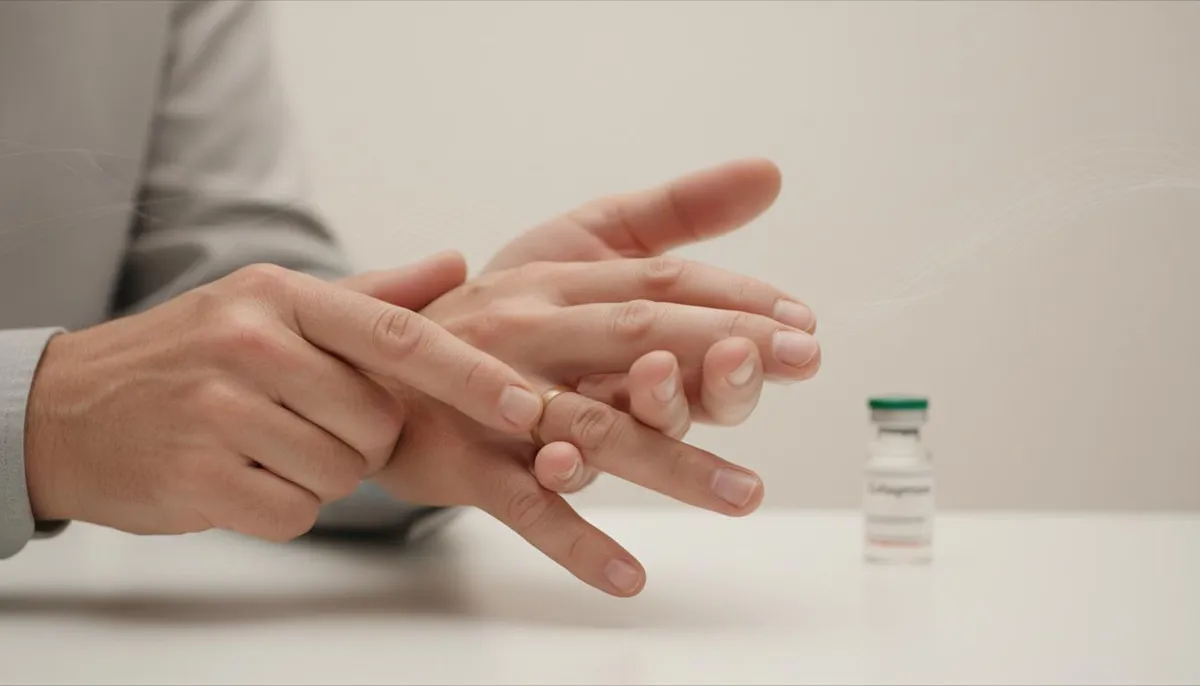
Have you ever noticed certain parts of your body becoming stiff and tight over time? Imagine trying to straighten your hand, but one of your fingers stays permanently bent because tight tissue holds it back like a hidden cord. Or imagine having pain and a noticeable bend in your reproductive organ. These conditions can feel frustrating, confusing, and stressful to deal with in daily life.
When tight internal tissues interfere with your movement and comfort, specialized treatments become essential. Medical science offers targeted solutions to help restore normal flexibility and ease your discomfort. Today, we will explore a specialized enzyme treatment known as a collagenase injection, breaking down how it works and what you can expect during the healing process.
Whether you are researching this treatment for yourself or supporting a loved one, understanding the procedure helps you feel more confident and prepared. Let us walk through the details step by step so you know exactly what questions to ask your doctor and how to care for your body.
Key Takeaways at a Glance
- What it is: Collagenase injections use a specialized natural enzyme to break down excess collagen protein in tight, hardened tissue cords.
- Main Uses: Primarily prescribed for Dupuytren contracture in the hand and Peyronie disease causing penile curvature.
- Given by Experts: This medicine is never self-given at home and must be given by a trained medical professional in a clinic.
- Strict Aftercare: Following exact hand stretching or rest instructions after your injection is crucial for a successful outcome.
- When to Seek Help: Report severe pain, popping sounds, allergic reactions, or unexpected swelling to your doctor right away.
Simply Put, What Is Collagenase?
Your body relies on a strong structural protein called collagen to give tissues strength and shape. Think of collagen as the sturdy metal framing inside a large building. Sometimes, however, too much collagen builds up in one specific area and becomes thick and rigid. When this happens, the affected tissue loses its natural stretch and flexibility, causing physical problems.
Collagenase is an enzyme injection designed to target and dissolve this excess buildup. When your doctor injects the medicine directly into the tight, hardened tissue cord, the enzyme breaks down the abnormal protein bonds. As the thick tissue dissolves and weakens, the stiffness fades away, allowing the affected body part to return toward its normal position and function.
Doctors primarily use collagenase injections to treat two specific medical conditions:
1. Dupuytren Contracture: This condition occurs when collagen beneath the skin of your palm thickens and forms tight cords. These cords pull your fingers—most often your ring finger and little finger—toward your palm so you cannot straighten them.
2. Peyronie Disease: This condition involves the buildup of hardened collagen plaques inside the male reproductive organ. The plaque causes the organ to bend or curve, leading to discomfort, pain, or difficulty during intimate moments.
Things to Tell Your Doctor Before Getting This Treatment
Because this is an advanced medical treatment, you must have an open and honest conversation with your doctor beforehand. Sharing your complete medical history keeps you safe and helps your doctor choose the best care plan. Always inform your doctor if any of the following situations apply to you:
- You have a bleeding disorder or bruising condition that affects how your blood clots.
- You experienced an allergic reaction in the past to collagenase, any other medicine, specific foods, or medical dyes.
- You are currently pregnant, planning to become pregnant soon, or suspect you might be pregnant.
- You are breastfeeding or nursing an infant.
Sharing these details allows your doctor to evaluate whether this specific enzyme treatment is safe and appropriate for your body. If you have active infections or specific sensitivities, your medical team will explore alternative options with you.
How Is This Injection Given?
You cannot receive this medicine as a take-home prescription or apply it yourself. This injection must always be given by a trained medical doctor in a clinical or hospital setting. Your medical team will monitor your comfort and safety throughout the entire visit.
Your doctor may provide you with a specialized patient information guide or medicine guide during your visit. Read this document carefully to understand your treatment timeline. If the treatment is being considered for younger people, doctors exercise extra caution and personalized evaluation.
What Happens If Too Much Medicine Enters Your Body?
Because a professional medical provider carefully measures and administers the injection, receiving an overdose is very rare. If you ever suspect that too much medicine entered your system or you feel extremely unwell after your visit, take action right away. Call your local emergency services, contact your national poison control center, or visit the nearest emergency department (ER) right away.
Important Care Steps During Your Treatment
Once your injection is complete and you return home, following your doctor's exact instructions is vital. Proper aftercare ensures the medicine works effectively and prevents accidental injury. Your recovery instructions depend entirely on which condition you are treating.
If You Are Treating Dupuytren Contracture in Your Hand
Treating hand stiffness requires a careful balance of rest and guided movement over the days following your injection:
- Follow-Up Appointment: Your doctor will usually ask you to return to the clinic one to three days after your injection. Never skip this important follow-up visit.
- Do Not Move the Finger Yet: Until your doctor examines your hand at the follow-up visit, avoid bending or straightening your injected fingers, and try not to touch the injection site.
- Elevate Your Hand: Keep your hand raised above the level of your heart as much as possible, especially when resting or sleeping on a pillow.
- Wear Splints and Do Exercises: Your doctor may provide a nighttime finger splint or assign specific gentle hand exercises to maintain your progress. Follow these instructions precisely.
- Watch for Warning Signs: Call your doctor right away if redness or swelling worsens, if your finger feels completely numb, or if you cannot move your finger after the swelling subsides.
If You Are Treating Peyronie Disease
Managing penile curvature requires sensitivity and strict adherence to healing guidelines to protect delicate tissues:
- Avoid Sexual Activity: Abstain completely from sexual intercourse between your injection visits. Continue to avoid intercourse for at least four weeks after your final injection, or until all pain and swelling completely disappear.
- Skip Mechanical Devices: Do not use vacuum erection devices or other mechanical stretching tools during your treatment period.
- Avoid Abdominal Strain: Prevent heavy straining of your lower abdominal and pelvic muscles, such as during heavy lifting or difficult bowel movements.
- Perform Modeling Exercises: Your doctor will teach you specific gentle stretching and modeling techniques to perform at home to help straighten the tissue.
⚠️ Emergency Red Flags: When to Seek Immediate Help
If you are receiving treatment for Peyronie disease, seek medical attention right away if you experience any of the following warning signs:
- Severe pain, intense swelling, or dark purple bruising in the treated area.
- Difficulty urinating or blood appearing in your urine.
- Hearing or feeling a distinct popping or snapping sound accompanied by sudden loss of rigidity.
- Any sudden inability to achieve an erection.
Call 911 (US/Canada), 999 (UK), or go to your nearest Emergency Department (ER) right away if these symptoms occur.
What Side Effects Can This Injection Cause?
Like any medical treatment, collagenase injections can cause side effects. Some reactions are mild and expected. This others require prompt medical evaluation. Reviewing these possibilities helps you stay prepared.
| Side Effect Category | What You May Experience / Recommended Action |
|---|---|
| Serious Allergic Reactions | What You May Experience: Hives, skin rashes, itching, or swelling of your face, lips, tongue, or throat. Recommended Action: Seek emergency medical help right away. Call 911 or 999. |
| Tissue Snap or Pop | What You May Experience: Hearing a snapping sound during finger extension, followed by sharp pain, numbness, or bruising. Recommended Action: Contact your doctor right away for an urgent evaluation. |
| Severe Systemic Pain | What You May Experience: Intense back pain, chest discomfort, severe headache, or sudden trouble breathing. Recommended Action: Go to the nearest emergency room right away. |
| Local Skin Infections | What You May Experience: Redness, warmth, growing swelling, or pus around the injection site. Recommended Action: Call your doctor promptly to check for infection. |
| Fainting or Dizziness | What You May Experience: Feeling lightheaded, dizzy, or having a brief fainting spell after injection. Recommended Action: Sit or lie down right away and inform your nurse. |
| Common Local Discomfort | What You May Experience: Mild soreness, minor swelling, tenderness, or bruising right where the needle entered. Recommended Action: Normal expected reaction; apply ice packs gently as advised. |
Other Medicines That May Interact With This Injection
Certain medicines you take can interact with collagenase injections and alter how your body responds. You must provide your doctor with a complete list of all prescription drugs, over-the-counter medicines, vitamins, and herbal supplements you take. Pay special attention to medicines that affect blood clotting:
- Aspirin and any pain relievers containing aspirin.
- Blood thinners or anticoagulant medicines (such as warfarin, enoxaparin, dalteparin, apixaban, dabigatran, and rivaroxaban).
This list is not exhaustive. Always share your complete lifestyle habits, including whether you smoke or eat alcohol regularly, so your medical team can provide safe and complete guidance.
💡 Take-Home Message
Collagenase is a specialized enzyme injection designed to treat tissue hardening conditions like Dupuytren contracture and Peyronie disease. Because trained medical professionals must give this treatment in a clinic, you never need to worry about giving it to yourself. Always share your complete medical history and current medicine list with your doctor before starting. Follow all aftercare instructions, splint guidelines, and movement restrictions carefully to achieve the best possible results. If you ever notice severe pain, unusual popping sounds, or allergic signs, contact your doctor or emergency services without delay.






No comments yet. Be the first to share your question or experience below.