
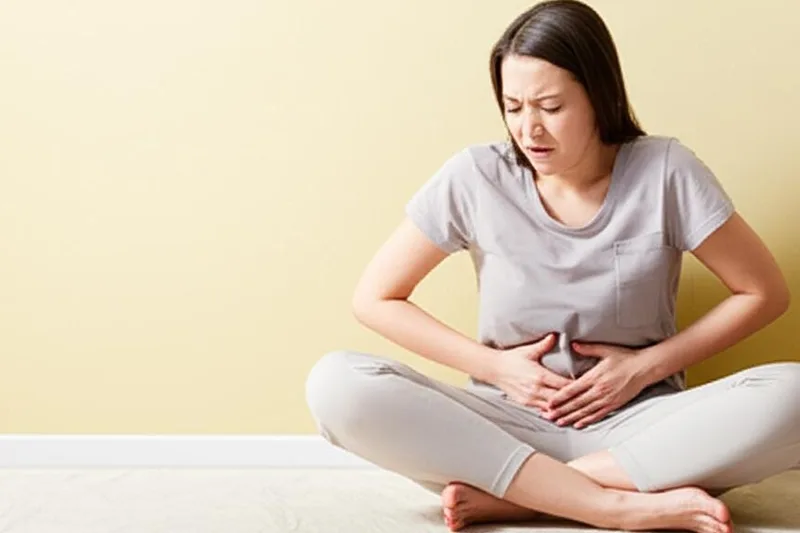
Haven't been to the toilet in a few days? Do you feel very uncomfortable, as if your stomach is full? Do you feel like you haven't passed stool properly even after going to the toilet? This is not just for you, this is a common problem for many people in our country. So today, let's talk about this condition called constipation and what we can do to get rid of it.
What is constipation?
Simply put, constipation is difficulty passing stool. Usually, a person has a bowel movement once or twice a day, or every other day. This can vary from person to person. However, if you have to go to the bathroom less than three times a week and the stools are hard, dry, or in small pieces , it may be constipation.
At this time you may feel the following:
- Taking a long time to defecate.
- I feel like my stomach hasn't completely emptied even after going to the toilet.
- Feeling like something is stuck in the rectum.
If these symptoms last for 12 weeks or more, we call it chronic constipation.
Simple remedies you can do at home
In most cases, you can find solutions to this problem yourself before seeing a doctor. By making small changes to our diet and lifestyle, this condition can be controlled to a great extent.
1. Eat more fiber-rich foods.
Fiber is like a sponge. It absorbs water and softens and bulks up stools, making them easier to pass. Try to get at least 25-34 grams of fiber a day.
- Good sources of fiber: Whole grains like brown rice, buckwheat, oats, beans, chickpeas, lentils, all kinds of legumes, vegetables, and fresh fruits (bananas, papaya, mango). Prunes are also a popular solution for this.
2. Drink plenty of water.
The main reason why your stools are dry and hard is because you don't have enough water in your body. Therefore, you should drink at least 8-10 glasses of water a day .
3. Coffee can help
For some people, a cup of coffee in the morning stimulates bowel movements and helps with bowel movements. However, too much caffeine can dehydrate the body, so consume it in moderation.
4. Cut down on these foods.
Foods high in fat and low in fiber can make constipation worse.
- Cheese and dairy foods
- Processed foods
- Meats
- Foods made from bread flour (bread, buns)
5. Don't forget to exercise.
When you move your body and walk, your bowel movements also improve. Walk for at least 20-30 minutes a day, do some light exercise.
6. Try changing the position of the toilet.
The way we sit on the commode also affects this.
If possible, place your feet on a footstool while sitting on the commode. This will help keep your knees higher than your hips, which will help keep your rectum straight and make it easier to pass stool.
7. Be careful about the medication you take.
Some painkillers, iron supplements, and some high blood pressure medications can cause constipation. If you're concerned , talk to your doctor about alternatives.
Use of laxatives
Many people rush to take laxatives when they hear the word constipation. That should not be the first solution. First, try the lifestyle changes mentioned above. Only if they don't have any effect, but after consulting a doctor , use an appropriate laxative for a short period of time.
If you continue to use laxatives, your bowels can become accustomed to them and stop working on their own. So it's important to be aware of these.
| Laxative type | How it works and examples |
|---|---|
| Fiber supplements (Bulk-forming) | They are added to the stools to make them larger and softer. (Ex: Psyllium - Metamucil, Ispaghula) You should drink plenty of water with these. |
| Stool Softeners | They soften stools by drawing water into them. (e.g. Docusate sodium) |
| Osmotic Laxatives | They draw water into the intestines and make stool easier to pass. (Ex: Lactulose, Milk of Magnesia) |
| Stimulant Laxatives | They force the muscles in the intestines to contract and push the stool forward. (Ex: Bisacodyl, Senna) Although these work quickly, they can cause stomach cramps. |
Special cases: Babies and pregnant mothers
If a small baby gets constipated
If your little one hasn't gone to the toilet for a few days and cries a lot when he poops, it could be constipation.
- If the baby is breastfed: The mother should eat fiber-rich foods and drink plenty of water.
- For babies who have started solid foods: Instead of rice porridge, give porridges like oats and barley. Give well-mashed papaya and bananas.
- Bathe the baby in lukewarm water.
- Move the baby's legs slowly as if they were "riding a bicycle."
- Eat lots of fiber-rich foods (legumes, vegetables, fruits).
- Drink at least 3 liters of water a day.
- Engage in safe exercise under medical advice.
- Do not use any laxatives without consulting your obstetrician and gynecologist .
- If you have severe stomach pain or bloating.
- If there is blood in the stool .
- If you are losing weight for no reason.
- If you have a fever.
- If mucus (like phlegm) comes out with the stool.
- If you have continued to have constipation for more than 3 weeks despite the remedies mentioned above.
- The best solution to constipation lies in your lifestyle and diet. Try to improve those things first.
- Drink plenty of water throughout the day. Include fiber-rich foods like leafy greens, vegetables, fruits, and bran rice in your diet.
- Exercise daily. Even a short walk is worth it.
- Laxatives are a last resort. Even they should be used under the advice of a doctor, and only for a short period of time.
- If you have blood in your stool, severe stomach pain, or unexplained weight loss, see a doctor immediately.
Most importantly: Do not give your baby any laxatives, glycerin suppositories, or other medications without first consulting your pediatrician .
During pregnancy
Constipation is very common due to hormonal changes during pregnancy and the pressure on the intestines as the baby grows.
Any time to see a doctor
Constipation is usually not dangerous. However, if you have these symptoms, you should definitely see a doctor.
In such cases, your doctor will examine you, determine if another medical condition is causing your constipation, and prescribe the necessary treatment. Sometimes, surgery may be recommended, but this is very rare.


💬 Comments (0)
No comments yet. Be the first to share your thoughts here.
Add Your Comment