

Have you ever wondered how, when you get sick with a cold, it just goes away on its own in a few days? That's because our immune system, our own army that fights disease, fights against it. But imagine if that fighting power, that special weapon called antibodies, could be taken from someone who has recovered from the disease and given to someone else who is suffering from the same disease? That's what we call this amazing treatment, simply called Convalescent Plasma Therapy.
Simply put, what is convalescent plasma?
This is very easy to understand. Our blood contains many types of cells, such as red blood cells and white blood cells. These cells float in a yellow liquid. That liquid part is what we call plasma .
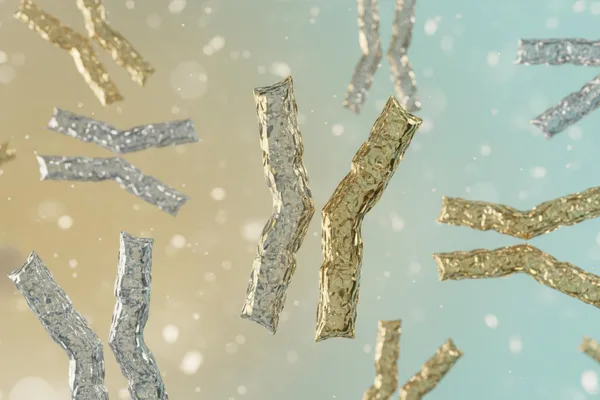
Now imagine that a person gets an infectious disease, for example a severe viral infection. His body's immune system fights the virus and makes a special type of protein that can destroy it. That's what we call antibodies . It's like our army recognizing an enemy and making a special missile that can only attack that enemy.
Even after a person has fully recovered from the disease, some of these valuable antibodies remain in their blood, especially in the plasma. The word convalescent means "recovering from an illness."
So, in this treatment, blood is taken from a person who has recovered from a similar disease (a donor) and only the plasma is separated from it. Then, that antibody-rich plasma is given as a blood transfusion to another person suffering from the same disease. This is like sending a few experienced commandos who know how to fight the disease into the body of a person who does not know how to fight the disease.
What kind of diseases is this treatment used for?
Doctors typically use this treatment to treat viral infections that are new to the community, that can be severe, and for which there is no vaccine or specific treatment yet. This can be a great help in preventing life-threatening illnesses.
The table below shows some of the historical and recent uses of this treatment.
| Name of the disease | A brief introduction |
|---|---|
| COVID-19 | It was initially widely used as a treatment for the coronavirus infection that recently spread around the world. |
| Viral hemorrhagic fevers | For example, severe viruses like Ebola that cause internal bleeding in the body. |
| SARS (Severe Acute Respiratory Syndrome) | This is also a virus that belongs to the coronavirus family and severely affects the respiratory system. |
| Bird flu / Avian influenza | A severe flu-like illness that can be transmitted from birds to humans. |
| H1N1 (Swine flu) | A strain of influenza virus that became a global pandemic in 2009. |
How does this treatment actually work?
This treatment works on the concept of passive immunity . While this may seem a little difficult to understand, it is actually quite simple.
When a foreign pathogen enters our body for the first time (that is, unless we have previously had the disease or been vaccinated against it), our body cannot immediately recognize the pathogen and fight it. It can take two to three weeks for our immune system to produce the antibodies needed to fight it. During this time, the disease can become severe.
But convalescent plasma therapy is like borrowing some of the already-made, battle-ready antibodies from someone who has recovered from the disease. When these antibodies enter the patient's body, they quickly recognize the invading virus and begin attacking it.
Simply put, this is like bringing in an experienced soldier who knows the battlefield and the enemy very well at the start of a battle. While receiving this help, the patient's own immune system also has time to develop its own antibodies.
What happens before and during plasma donation?
This process is done with the utmost care and safety.
Before donating plasma
If you decide to undergo this treatment, your doctor will first examine your medical history, your blood type, and your overall health.
Also, the plasma donor must meet certain qualifications.
- He needs to fully recover from his illness.
- We need to test to make sure that his blood has high levels of antibodies that fight the disease.
While donating plasma
This is a process similar to giving normal saline.
- Makes you comfortable in a bed or chair.
- A healthcare worker will select a suitable vein in your arm, thoroughly clean and disinfect the area.
- Then, a small cannula (a tube with a needle) is inserted into that vein and an IV (intravenous) line is connected to it.
- From the bag containing the plasma, the plasma slowly enters your body through the tube. This process can usually take anywhere from an hour to several hours .
- After the plasma is given, the cannula is removed and the area is pressed with a clean piece of gauze until the bleeding stops. Then it is covered with a bandage.
- After the treatment, you will be kept under medical supervision for a while to check for any side effects or allergies.
What are the benefits of this treatment?
There are several advantages to this treatment method.
| Advantage | Further details |
|---|---|
| Reducing the severity of the disease | If this treatment is given at an early stage of the disease, it can prevent the disease from getting worse and complications from developing. |
| An alternative for new diseases | When a new pandemic breaks out, it is a valuable treatment option that can be provided to patients until a vaccine or other medicine is found. |
| Resistance to new virus variants | It is possible to provide antibodies that can fight new variants of the virus, because the donor has recovered from that latest variant. |
| Help for those with low immunity | This is of great help to those who are immunocompromised or who do not produce antibodies properly even after being vaccinated. |
| Generally safe | Because it is given after proper testing, this is generally a safe treatment with very low risk. |
How effective is this treatment? Are there any risks?
Let's talk about success.
The success of this treatment depends on several factors, such as the disease being treated and the stage of the disease at which the patient is treated.
For example, some studies on COVID-19 showed that patients who were given convalescent plasma within the first few days of symptom onset had a 30% to 50% reduced risk of hospitalization.
However, other studies have shown that there is no significant difference in mortality between those who received this treatment and those who did not. This may be because the treatment in those studies was given when the disease was already very severe and it was too late to help . Therefore, it is very important to give this treatment early .
Risks and side effects
First of all, the National Blood Transfusion Service of Sri Lanka provides blood and blood components with very high standards and strict testing. Therefore, complications are very rare . However, as with any medical treatment, there are some very small risks that can occur.
- Fever: A slight increase in body temperature during or after treatment.
- Allergies: Some people may have allergic reactions to the proteins in plasma. Symptoms such as itching and rash may occur.
- Infection at the site of cannula insertion: This is very rare, as the site is well disinfected.
- Blood-borne diseases: Some may be concerned about the risk of contracting diseases such as HIV, hepatitis B, and C. However, because donor blood is rigorously screened for all of these diseases, this risk is now close to zero .
Will I feel better soon after treatment?
This is a question that many people ask. You won't feel great immediately after receiving convalescent plasma. It's not magic.
The main goal of this treatment is to prevent your disease from becoming life-threatening , which means helping to save you from serious conditions like being put in the ICU or being put on a ventilator.
Even with treatment, it will still take some time for your body to fight off the viral infection and fully recover from it.
When should I talk to the doctor?
If you have any questions about this treatment, or if you think you are experiencing any side effects after treatment, talk to your doctor immediately .
Usually, before treatment, your doctor will explain to you what symptoms or side effects you should be aware of, and when you should seek medical advice.
Ultimately, it's amazing how you can "borrow" part of someone else's immune system to fight a disease. Convalescent plasma is a valuable tool for doctors, especially when there are no other treatment options for new diseases. It can teach your own immune system to recognize and fight an invader it's never seen before, giving you a great chance to save yourself from a serious illness.
Take-Home Message
- Convalescent plasma is the use of antibodies from the blood of someone who has recovered from a disease to treat another patient.
- This provides the body with "passive immunity" and immediate help in fighting infection.
- This treatment is most effective when given early in the course of symptoms. It may be less effective once the disease has progressed.
- This is a very safe treatment because the blood of donors is rigorously tested. Complications are very rare.
- This is not a magic cure that will instantly cure the disease, but rather a help to prevent the disease from getting worse and becoming life-threatening.
- Only your doctor can decide if this type of treatment is right for you or someone close to you, so always talk to your doctor about this.




💬 Comments (0)
No comments yet. Be the first to share your thoughts here.
Add Your Comment