

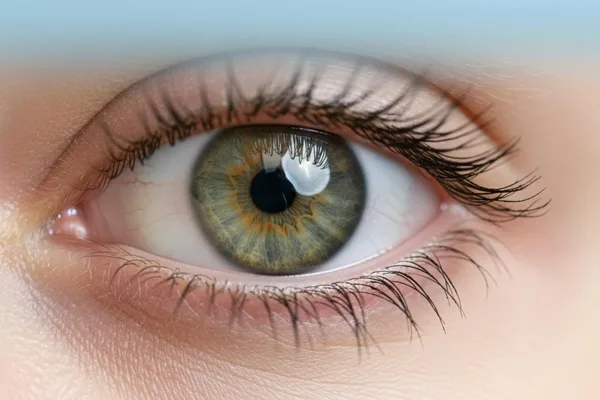
When you look at your eye in a mirror, there is a clear, curved part that looks like glass at the front, right? That's what we call the cornea. Just like the windshield of a car, this is like a protective shield that stops things like dust and germs from getting into our eyes. Also, the shape of this cornea is very important for us to see clearly.
The cornea is located in front of a fluid-filled chamber inside the eye (the `anterior chamber`). Next to it are the iris and pupil. The white part of the eye that surrounds the cornea is called the sclera. Since the cornea is the first protector of our eye, it can easily be damaged by accidents and injuries. But the amazing thing is that the cornea can heal itself very quickly, even from minor injuries.
What are the layers of the cornea?
Imagine that this little cornea has six (6) layers stacked on top of each other. Like laminated glass, these layers work together to strengthen the cornea.
- Epithelium: This is the outermost layer of the cornea. It acts like a wall, preventing germs and dust from entering the eye. This layer is very sensitive to pain. It is said to have 300-600 times more pain receptors here than our skin. That is why even a small speck of dirt can cause unbearable pain in our eyes. That sensitivity protects our eyes.
- Bowman's layer: This is a strong layer made of collagen. It helps the cornea maintain its shape.
- Stroma: This is the thickest layer of the cornea. It not only strengthens the cornea, but also helps to refract light entering the eye and focus it accurately onto the retina.
- Pre-Descemet's layer (PDL): This is also called "Dua's layer." Research has shown that this is a strong barrier that even air cannot pass through. This is actually a relatively new layer, only discovered in 2013.
- Descemet's layer: This is a thin, elastic, but incredibly strong layer. It is very important in protecting the inside of the eye from damage and infection.
- Endothelium: This layer is primarily responsible for maintaining the balance of fluid within the cornea. It controls the amount of water needed for the stroma to function properly.
Diseases and problems that most commonly affect the cornea
Although the protector of our eyes, the cornea can also be susceptible to various diseases, injuries, and infections.
- Dry eye: The epithelium, which is the outermost layer of the cornea, needs tears to function properly. Tears lubricate the eye and help it absorb oxygen from the air. Dry eyes are painful and can interfere with vision.
- Infections: If there is any damage to the surface of the cornea, germs - including viruses, bacteria, fungi, and parasites - can easily enter and cause infections.
- Keratitis: Infections, accidents, and other diseases can cause the cornea to become swollen, red, and painful. This is called keratitis.
- Injuries: Like a car windshield, the cornea can be damaged by external objects. This can cause abrasions, lacerations, and ulcers.
- Environmental damage: Extreme cold, heat, chemicals (liquid or gas), and UV radiation can damage the cornea.
- Structural Diseases (Dystrophies): Some diseases cause changes in the shape and structure of the cornea. These are commonly called `corneal dystrophies`. Keratoconus and Fuchs' dystrophy are two such diseases.
What are the treatments for these conditions?
Treatment options vary depending on the problem with the cornea. Your doctor will determine the treatment that is best suited to your condition.
- Simple Treatment: For mild dryness or discomfort in the eyes, your doctor may recommend something like simple eye drops.
- Medications: Medications are used, especially for things like infections. These can come in the form of eye drops or ointments, or as pills that you take.
- Eye patching: Sometimes you may be asked to wear an eye patch to protect your eye until the cornea heals.
- Laser surgeries: A type of surgery to correct vision. Here, a laser beam is used to change the shape of the cornea. LASIK is a well-known type of surgery.
- Eye surgery: Surgery may be required to repair damage to the cornea or to correct certain medical conditions.
- Cornea transplant: Over time, the cornea may become cloudy or unable to bend light properly. In severe cases, the damaged cornea may need to be removed and a healthy cornea transplanted.
The most important thing is to see a doctor as soon as possible, without self-treating any eye problems.
How to protect your cornea from accidents?
"Prevention is better than cure," they say. That's 100% true for our eyes. Wearing safety glasses or goggles is the best way to protect the cornea from accidents. This little thing can prevent major damage that can happen in a second.
Be sure to wear safety glasses during times like these:
- When working with machinery and tools: Even when using small hand tools at home, it is essential when working with something like a grinder or drill.
- When working in the garden: When mowing the lawn or using a chainsaw, small stones, dust, and grass clippings can fly into your eyes.
- When using chemicals: No matter how carefully you use household cleaning products like bleach and toilet cleaner, they can still get into your eyes.
- When working with fire and extreme heat: Protect your eyes from smoke and heat from the fire.
- While playing: In sports played with a fast-moving ball, such as cricket, tennis, and hockey.
- When exposed to excessive sunlight: When you are at the beach or in a snowy area, UV rays reflected from water and snow can burn the cornea. This is called photokeratitis . Use sunglasses with good UV protection.
What do you do if something gets in your eye?
The most important thing is not to panic if something like a speck of dirt or dust gets in your eye. Here are some dos and don'ts.
| ✔️ Things to do | ❌ Things not to do |
|---|---|
| First, wash your hands thoroughly with soap. | Never rub your eyes. This can scratch the cornea. |
| Go in front of a mirror and see if there is anything inside your eye. | Do not bring sharp objects (tweezers, sticks) close to your eyes. |
| Rinse your eyes frequently with clean, lukewarm water. | Do not try to remove something stuck inside by hand. |
| If the object does not come out or if there is pain, redness, or blurred vision, see a doctor immediately. Go to the nearest hospital Emergency Department (ETU). | Do not use any eye drops without consulting a doctor. |
If you have these symptoms, see a doctor immediately!
If you have any of these symptoms, don't ignore them. See a doctor immediately.
- Vision changes: double vision, blurred vision, distorted vision.
- Sudden loss of vision.
- A feeling of something stuck in the eye (whether it is visible or not).
- Severe eye pain.
- Continuous watering of the eyes (epiphora).
- Inability to look at light (photophobia).
- Redness or inflammation of the eyes.
- A blow to the eye.
- A visible wound, scratch, or cut on the surface of the eye.
Take-Home Message
- Your cornea is the most valuable protective shield in your eye. It is also essential for our vision.
- Wearing safety glasses when working with machinery, chemicals, and playing certain sports can prevent many accidents.
- If something gets in your eye, never rub it. Rinse with clean water. If the problem persists, see a doctor immediately.
- Don't ignore symptoms like eye pain, blurred vision, or severe redness. These could be signs of a serious condition.
- Keep your eyes healthy, wash your hands frequently, avoid touching your eyes, and get regular eye exams.




💬 Comments (0)
No comments yet. Be the first to share your thoughts here.
Add Your Comment