
Do you still have chest pain after stent placement? Let's learn about Coronary Brachytherapy!

Do you still have chest pain after stent placement? Let's learn about Coronary Brachytherapy!

Has anyone in your family or someone you know had a stent placed for a heart attack? Or has a stent been placed as a treatment for chest pain? This has become very common these days. After a stent is placed, most people usually feel much better. However, sometimes, the artery where the stent was placed can start to narrow again. Today, we are going to talk about a special treatment method that is used in such cases.

Simply put, what is Coronary Brachytherapy?

This name may sound a bit complicated. But let's keep it simple. Coronary Brachytherapy is a special treatment for the blood vessels that supply blood to the heart (Coronary Arteries). This uses radiation to prevent the heart vessels from narrowing again.

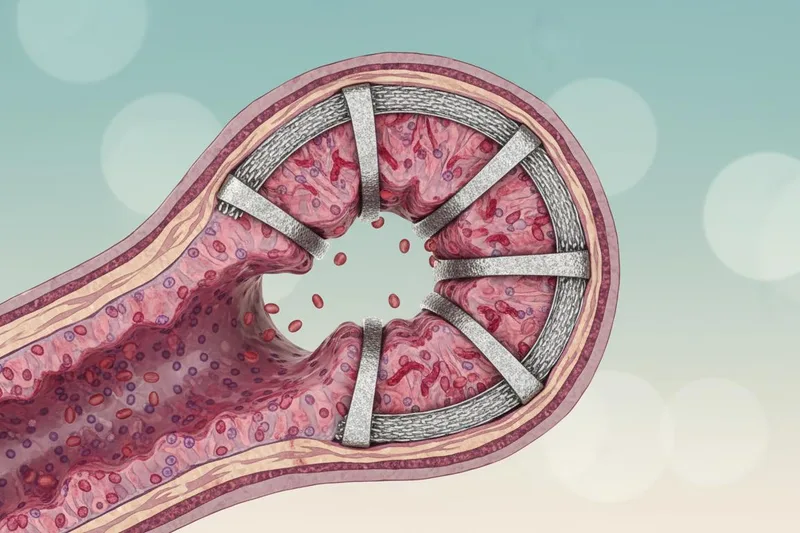
Imagine that a blood vessel in your heart has become blocked by cholesterol deposits. Doctors insert a stent. A stent is a small mesh-like tube. It is inserted into the narrowed blood vessel and widens it again, allowing blood to flow freely.

However, in some people, scar tissue begins to develop around the stent. Just like a scar forms when we have an injury. This scar tissue causes the area where the stent was placed to widen to become narrower again. In medicine, we call this condition in-stent restenosis (ISR) . That is when doctors consider Coronary Brachytherapy.

In this treatment, a very small, controlled dose of radiation is directed at the area where the scar tissue is forming for a few minutes. The radiation destroys the cells that make up the scar tissue. So the area doesn't shrink again. It's like applying medicine to prevent weeds from growing back.

The most important thing is that this radiation therapy is very safe. It is directed only to the affected area. It does not harm any other part of the body.

Who needs this treatment?

Coronary Brachytherapy is not a treatment for everyone. It is usually recommended only for special patients who have previously had a stent placed and have developed a reoccurrence (ISR) within it, and for whom other treatments are not likely to be as effective.

Take a look at the information below. You will get a good idea about this.

When Coronary Brachytherapy may be appropriate
Recurrent blockages If a stent becomes blocked more than once (recurring ISR) after it is placed.
Having multiple stents If multiple stents are placed in the same blood vessel or if a very long stent is placed.
Other health problems For those with medical conditions that increase the risk of complications from other treatments, such as diabetes.
Small blood vessels For those whose blood vessels in the heart are very small and thin.

Who should not have this treatment?

Also, there are times when this treatment is not appropriate.

  • If the stent has become blocked for the first time .
  • If you have previously received radiation treatment to the chest area (e.g. for breast cancer).
  • The blockage is not caused by scar tissue, but by a problem with the balloon used during the angioplasty.

Is this the only treatment if a stent narrows again?

No. This is actually a less commonly used treatment. When a stent becomes blocked again, called in-stent restenosis (ISR), doctors usually try other treatments first.

  • Placing another stent: Another stent is placed inside the blocked stent.
  • Balloon Angioplasty: A balloon is used to widen the narrowed area. Sometimes a special balloon (cutting balloon) is used to cut away excess tissue.
  • Coronary Artery Bypass Surgery: If the blockage is severe, you may be referred for bypass surgery.
  • Medications: Medications such as aspirin to prevent blood clots and statins to lower cholesterol are prescribed.

There are new types of stents that are coming out these days called drug-eluting stents . These release a drug over time to prevent the formation of scar tissue. So now most people's stents are less likely to get blocked again. That's why Coronary Brachytherapy is not used as often anymore.

How the treatment works - step by step

This is not a major surgery. This treatment is performed by a team of an Interventional Cardiologist and a Radiation Oncologist. The entire procedure takes about 10 minutes. However, you will have to stay in the hospital for a few hours.

Before treatment

Your doctor may perform an intravascular ultrasound scan to see clearly inside your heart vessels. This can help determine exactly where and how long the treatment needs to be.

During treatment

This is a very simple procedure. You won't feel much pain.

Steps What is happening?
1. Sedation You won't be completely asleep. You'll be given a medication to help you relax and feel pain-free. Some people may even be given general anesthesia.
2. Insertion of the catheter (Incision) A very thin tube (catheter) is passed through a blood vessel in the arm or leg to the blocked artery in the heart under X-ray guidance.
3. Balloon Angioplasty A small balloon is inserted into the narrowed area and inflated to widen the area for radiation delivery.
4. Radiation Now, through that thin tube, a precisely controlled source of radiation is sent to the area where the scar tissue is. It's only there for a few minutes . During this time, the cells that are forming the scar are destroyed.
5. Closure The radiation source and catheter are removed, and a small plaster is placed over the insertion site to close it.

After treatment

Most people can go home the same day. You may be asked to stay in the hospital overnight. After you go home, you should rest and avoid strenuous activity for a few days. You should also take the medication your doctor prescribes to prevent blood clots.

What are the benefits and risks of this treatment?

As with any medical treatment, there are benefits and minor risks.

The main advantage is that it is a good solution for people who have had multiple stents and have recurrent blockages, or who cannot undergo major surgery due to other conditions. This treatment reduces the risk of heart attack and heart failure. It also prevents the recurrence of symptoms such as chest pain (angina), shortness of breath (dyspnea), and dizziness.

Speaking of risks , these are the common risks that can occur with any cardiac catheterization.

  • Heartbeat irregularities (Arrhythmia)
  • Blood clots
  • Damage to blood vessels
  • Infections
  • Pain or bleeding at the catheter insertion site

These risks are very rare . Your doctor will inform you about all of these.

When to see a doctor

If you experience any of the following symptoms after you go home after treatment, you should call your doctor immediately .

  • If you get a high fever.
  • If you have severe pain in your chest, jaw, arms, or shoulders.
  • If you have difficulty breathing.
  • If there is pus coming out of the catheter insertion site, a bad odor, or redness and swelling (signs of infection).

After treatment, you can usually return to your normal activities within a few days. However, it is not a good idea to think that everything is over just because you have had this treatment. To keep your heart healthy, it is essential to follow a good lifestyle .

  • Eat a diet low in oil, salt, and sugar.
  • Stop smoking completely.
  • Limit alcohol consumption.
  • Exercise regularly as directed by your doctor.

Take-Home Message

  • Coronary Brachytherapy is a special radiation treatment for some patients who develop in-stent restenosis after stent placement.
  • This involves using a very small, controlled dose of radiation to stop the growth of scar cells that are causing the blockage.
  • Although this is not commonly used now, it can be very useful for people who have recurrent blockages, multiple stents, or other medical conditions.
  • This is not a major surgery, and the risks are very low. You can recover quickly after treatment.
  • Even after treatment, it is very important to follow a healthy lifestyle to maintain heart health.

Heart disease, stent, coronary brachytherapy, coronary brachytherapy, in-stent restenosis, heart blockage, heart treatment, radiation therapy, heart blockage Sinhala, stent in sinhala

Frequently Asked Questions (FAQ)

Who should not have this treatment?

Also, there are times when this treatment is not appropriate.

⚠️ Important: The medical articles and information on Nirogi Lanka are for general awareness only, and are by no means a substitute for professional medical advice, diagnosis, or treatment. For any medical problem you have, consult a qualified physician immediately.

💬 Comments (0)

No comments yet. Be the first to share your thoughts here.

Add Your Comment

Please calculate: 4 + 6 =
Do you still have chest pain after stent placement? Let's learn about Coronary Brachytherapy!
SurgeriesJuly 7, 2026

Do you still have chest pain after stent placement? Let's learn about Coronary Brachytherapy!

Has anyone in your family or someone you know had a stent placed for a heart attack? Or has a stent been placed as a treatment for chest pain? This has become very common these days. After a stent is placed, most people usually feel much better. However, sometimes, the artery where the stent was placed can start to narrow again. Today, we are going to talk about a special treatment method that is used in such cases.

Simply put, what is Coronary Brachytherapy?

This name may sound a bit complicated. But let's keep it simple. Coronary Brachytherapy is a special treatment for the blood vessels that supply blood to the heart (Coronary Arteries). This uses radiation to prevent the heart vessels from narrowing again.

Imagine that a blood vessel in your heart has become blocked by cholesterol deposits. Doctors insert a stent. A stent is a small mesh-like tube. It is inserted into the narrowed blood vessel and widens it again, allowing blood to flow freely.

However, in some people, scar tissue begins to develop around the stent. Just like a scar forms when we have an injury. This scar tissue causes the area where the stent was placed to widen to become narrower again. In medicine, we call this condition in-stent restenosis (ISR) . That is when doctors consider Coronary Brachytherapy.

In this treatment, a very small, controlled dose of radiation is directed at the area where the scar tissue is forming for a few minutes. The radiation destroys the cells that make up the scar tissue. So the area doesn't shrink again. It's like applying medicine to prevent weeds from growing back.

The most important thing is that this radiation therapy is very safe. It is directed only to the affected area. It does not harm any other part of the body.

Who needs this treatment?

Coronary Brachytherapy is not a treatment for everyone. It is usually recommended only for special patients who have previously had a stent placed and have developed a reoccurrence (ISR) within it, and for whom other treatments are not likely to be as effective.

Take a look at the information below. You will get a good idea about this.

When Coronary Brachytherapy may be appropriate
Recurrent blockages If a stent becomes blocked more than once (recurring ISR) after it is placed.
Having multiple stents If multiple stents are placed in the same blood vessel or if a very long stent is placed.
Other health problems For those with medical conditions that increase the risk of complications from other treatments, such as diabetes.
Small blood vessels For those whose blood vessels in the heart are very small and thin.

Who should not have this treatment?

Also, there are times when this treatment is not appropriate.

  • If the stent has become blocked for the first time .
  • If you have previously received radiation treatment to the chest area (e.g. for breast cancer).
  • The blockage is not caused by scar tissue, but by a problem with the balloon used during the angioplasty.

Is this the only treatment if a stent narrows again?

No. This is actually a less commonly used treatment. When a stent becomes blocked again, called in-stent restenosis (ISR), doctors usually try other treatments first.

  • Placing another stent: Another stent is placed inside the blocked stent.
  • Balloon Angioplasty: A balloon is used to widen the narrowed area. Sometimes a special balloon (cutting balloon) is used to cut away excess tissue.
  • Coronary Artery Bypass Surgery: If the blockage is severe, you may be referred for bypass surgery.
  • Medications: Medications such as aspirin to prevent blood clots and statins to lower cholesterol are prescribed.

There are new types of stents that are coming out these days called drug-eluting stents . These release a drug over time to prevent the formation of scar tissue. So now most people's stents are less likely to get blocked again. That's why Coronary Brachytherapy is not used as often anymore.

How the treatment works - step by step

This is not a major surgery. This treatment is performed by a team of an Interventional Cardiologist and a Radiation Oncologist. The entire procedure takes about 10 minutes. However, you will have to stay in the hospital for a few hours.

Before treatment

Your doctor may perform an intravascular ultrasound scan to see clearly inside your heart vessels. This can help determine exactly where and how long the treatment needs to be.

During treatment

This is a very simple procedure. You won't feel much pain.

Steps What is happening?
1. Sedation You won't be completely asleep. You'll be given a medication to help you relax and feel pain-free. Some people may even be given general anesthesia.
2. Insertion of the catheter (Incision) A very thin tube (catheter) is passed through a blood vessel in the arm or leg to the blocked artery in the heart under X-ray guidance.
3. Balloon Angioplasty A small balloon is inserted into the narrowed area and inflated to widen the area for radiation delivery.
4. Radiation Now, through that thin tube, a precisely controlled source of radiation is sent to the area where the scar tissue is. It's only there for a few minutes . During this time, the cells that are forming the scar are destroyed.
5. Closure The radiation source and catheter are removed, and a small plaster is placed over the insertion site to close it.

After treatment

Most people can go home the same day. You may be asked to stay in the hospital overnight. After you go home, you should rest and avoid strenuous activity for a few days. You should also take the medication your doctor prescribes to prevent blood clots.

What are the benefits and risks of this treatment?

As with any medical treatment, there are benefits and minor risks.

The main advantage is that it is a good solution for people who have had multiple stents and have recurrent blockages, or who cannot undergo major surgery due to other conditions. This treatment reduces the risk of heart attack and heart failure. It also prevents the recurrence of symptoms such as chest pain (angina), shortness of breath (dyspnea), and dizziness.

Speaking of risks , these are the common risks that can occur with any cardiac catheterization.

  • Heartbeat irregularities (Arrhythmia)
  • Blood clots
  • Damage to blood vessels
  • Infections
  • Pain or bleeding at the catheter insertion site

These risks are very rare . Your doctor will inform you about all of these.

When to see a doctor

If you experience any of the following symptoms after you go home after treatment, you should call your doctor immediately .

  • If you get a high fever.
  • If you have severe pain in your chest, jaw, arms, or shoulders.
  • If you have difficulty breathing.
  • If there is pus coming out of the catheter insertion site, a bad odor, or redness and swelling (signs of infection).

After treatment, you can usually return to your normal activities within a few days. However, it is not a good idea to think that everything is over just because you have had this treatment. To keep your heart healthy, it is essential to follow a good lifestyle .

  • Eat a diet low in oil, salt, and sugar.
  • Stop smoking completely.
  • Limit alcohol consumption.
  • Exercise regularly as directed by your doctor.

Take-Home Message

  • Coronary Brachytherapy is a special radiation treatment for some patients who develop in-stent restenosis after stent placement.
  • This involves using a very small, controlled dose of radiation to stop the growth of scar cells that are causing the blockage.
  • Although this is not commonly used now, it can be very useful for people who have recurrent blockages, multiple stents, or other medical conditions.
  • This is not a major surgery, and the risks are very low. You can recover quickly after treatment.
  • Even after treatment, it is very important to follow a healthy lifestyle to maintain heart health.

Heart disease, stent, coronary brachytherapy, coronary brachytherapy, in-stent restenosis, heart blockage, heart treatment, radiation therapy, heart blockage Sinhala, stent in sinhala

Frequently Asked Questions (FAQ)

Who should not have this treatment?

Also, there are times when this treatment is not appropriate.

⚠️ Important: The medical articles and information on Nirogi Lanka are for general awareness only, and are by no means a substitute for professional medical advice, diagnosis, or treatment. For any medical problem you have, consult a qualified physician immediately.

💬 Comments (0)

No comments yet. Be the first to share your thoughts here.

Add Your Comment

Please calculate: 4 + 6 =