
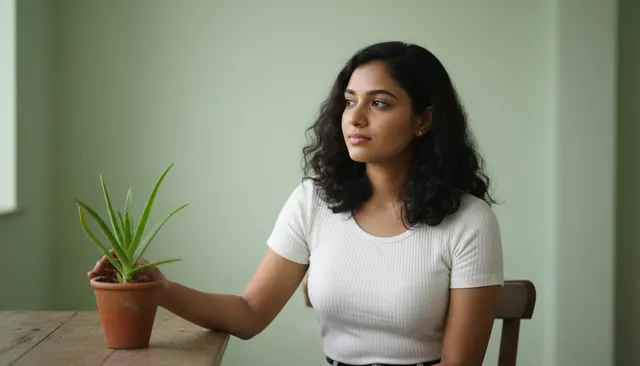
Do you sometimes feel overwhelmed by a heavy emptiness, losing interest in the things you used to enjoy? If it feels like a constant shadow over your daily life, it might be more than just a passing bad day.
When this heavy feeling stays for weeks or months and makes it hard to work, sleep, or eat, doctors call it depression. You are never alone in feeling this way, and please know that support and effective care are always available.
Many people find great relief through standard medical care like talking therapy and medicine. However, you might also wonder if lifestyle changes or natural options can help you heal even better.
Key Takeaways for Your Mental Health Journey
- Depression is a real medical condition that affects your brain, mood, and body.
- Standard care includes talking therapy and medicine prescribed by your doctor.
- Alternative methods like exercise and meditation can support your healing process.
- Always talk to your doctor before trying any new herbal supplement or therapy.
- Immediate medical help is available if you ever feel hopeless or unsafe.
Check if you have depression with the internationally recognized PHQ-9 method
What Is Depression?
Simply put, depression is a common medical condition that changes how you think, feel, and act every day. It is much more than just feeling sad for a day or two after a stressful event.
This heavy mood lasts for weeks, months, or even longer if left untreated. It can make everyday tasks feel like climbing a massive mountain.
Changes in brain chemicals, high stress, or difficult life events often trigger this condition. Doctors rely on two primary evidence-based tools to help you recover.
The first is psychotherapy, also known as talk therapy or counseling. This helps you talk through your thoughts and learn healthy coping skills.
The second main tool is medicine, such as selective serotonin reuptake inhibitors, commonly called SSRIs. These proven treatments help balance chemicals in your brain.
Sometimes, standard treatments take time to show full results, or you might want extra support. That is when people often explore alternative therapies to boost their daily well-being.
Alternative Therapies That May Help With Depression
No single alternative therapy can cure depression entirely on its own. In fact, even standard medical treatments work differently for every unique person.
The most important rule is to talk with your doctor before trying anything new. This step protects your safety, especially if you take prescription medicine.
Let us look at the most common alternative therapies people use to support their mental health. Each option offers unique benefits when used safely alongside your medical plan.
| Therapy Option | How It Works and What to Expect |
|---|---|
| Herbal Remedies | Plants like St. John wort or Ginkgo biloba are used to lift mood. Scientific proof is limited, and they can cause dangerous drug interactions. Always consult your doctor first. |
| Acupuncture | An ancient practice placing tiny, fine needles into specific body points. It helps balance energy flow and encourages your body to release natural pain-relieving chemicals. |
| Reflexology | Applying gentle pressure to specific points on your hands, feet, ears, or face. This stimulates nerves linked to different body parts to promote natural healing. |
| Exercise | Walking, swimming, or running boosts your mental health. Research shows 150 minutes of exercise per week greatly reduces depression and anxiety symptoms. |
| Meditation | Sitting quietly while focusing your mind on a single word, breath, or thought. Practicing for just ten minutes daily clears mental clutter and brings inner calm. |
| Massage Therapy | Human touch relieves physical tension, calms your nervous system, and strengthens the healthy connection between your mind and body. |
| Yoga | Combines physical movement, breathing exercises, and mindful meditation. Breath control brings deep relaxation to both your body and your racing mind. |
| Deep Breathing | Slows your heart rate and calms your nervous system. Taking slow, deep breaths counteracts shallow breathing caused by stress and anxiety. |
Understanding the Benefits and Risks
Alternative therapies do not fit everyone the exact same way. If you are pregnant or breastfeeding, checking safety with your doctor is an absolute necessity.
Herbal remedies carry hidden risks because they can react poorly with your prescription drugs. Never start any herbal supplement without getting clear approval from your doctor first.
Acupuncture studies show promising results for lowering depression symptoms after three months of consistent sessions. This approach works especially well if you deal with chronic physical pain alongside your depression.
Exercise is one of the safest and most effective natural tools available. It lowers your daily stress, boosts your natural energy levels, and improves your sleep quality.
Meditation brings quiet stillness to a busy mind, offering powerful relief from persistent anxiety. Massage therapy triggers feel-good chemicals in your brain like serotonin and dopamine.
Massage also reduces cortisol, which is your body main stress hormone. Yoga stretches your muscles while teaching you how to use breath to steady your thoughts.
Deep breathing anchors your focus entirely on the present moment. This gives your tired mind a much-needed break from overwhelming worries.
The most vital rule is to keep an open conversation going with your doctor. Always share any changes you notice—whether good or bad—so your care plan stays safe and effective.
When to See a Doctor Right Away
Knowing when to seek immediate medical help is the most important step in your recovery. Your safety and well-being come first above all else.
⚠️ Emergency Medical Warning Signs
If you experience thoughts of suicide, self-harm, or harming others, do not wait a single minute. Call emergency services right away at 911 (US/Canada), 999 (UK), or go straight to your nearest hospital Emergency Department (ER or A&E). These dark thoughts are a symptom of your medical condition, not a personal weakness, and professional help is available right now.
Never stop taking your prescribed medicine or start new alternative therapies without medical supervision. Working closely with your doctor ensures your path to healing remains safe, structured, and successful.
💡 Take-Home Message
Depression is a real, treatable medical condition, not a personal failure or simple sadness. Professional talk therapy and prescribed medicine remain the primary pillars of successful treatment.
Alternative therapies should always serve as helpful support tools rather than standalone cures. Never start herbal remedies or other supplements without consulting your doctor first.
Safe lifestyle changes like regular exercise, meditation, and deep breathing can transform your mental health. Asking for help and seeking professional guidance is always a sign of true inner strength.
Sources & References
- Mayo Clinic. (2025). Depression (major depressive disorder): Diagnosis and treatment. mayoclinic.org.
- National Health Service (NHS). (2024). Overview - Clinical depression. nhs.uk.
- Cleveland Clinic. (2024). Depression: Management and treatment options. my.clevelandclinic.org.
- Centers for Disease Control and Prevention (CDC). (2025). Mental Health Basics. cdc.gov.
- National Institutes of Health (NIH) / PubMed Central. (2023). Complementary and integrative health approaches in depression. pubmed.ncbi.nlm.nih.gov.






No comments yet. Be the first to share your question or experience below.