
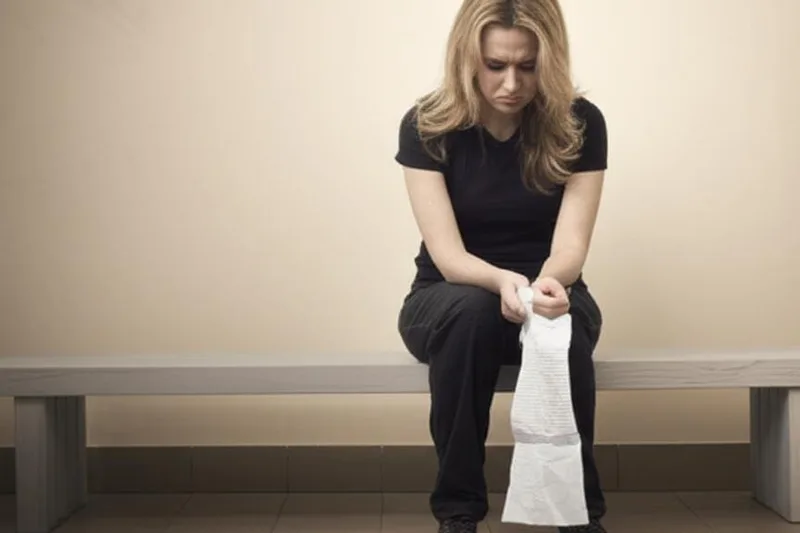
We all feel sad, depressed, and down at times in our lives. It's normal. Most of the time, that sadness goes away in a few days. But depression is something different. It's a condition that affects your mind and body to the point where it interferes with your daily life and you can't even do the things you enjoy. To get rid of this condition, you definitely need medical treatment.
What are the symptoms of depression?
A person with depression can exhibit a variety of symptoms. However, not everyone will experience all of these symptoms. Also, the intensity and duration of these symptoms vary from person to person. Some symptoms are psychological, while others may be physical.
Let's see what these characteristics are.
| Characteristic type | Description and common sightings |
|---|---|
| Mental and emotional characteristics |
|
| Behavioral and physical characteristics |
What are the causes of depression?
There is no single cause of depression. Experts believe that it is a combination of several factors.
Brain structure and function
Simply put, there are changes in the way information travels through certain neural systems and circuits in the brain of someone with depression. Brain scans have shown that there are changes in some parts of the brain that control our mood. For example, the part of the brain called the ``Hippocampus``, which is involved in memory and learning, is smaller in some depressed people. The part of the brain that controls emotions, the ``Amygdala``, is larger. Scientists are still trying to figure out why these changes occur.
Genetic influence (Genes)
If someone in your family, such as a mother, father, or sibling, has had depression, you are two to three times more likely to develop the condition than others. But that doesn't mean you will definitely develop depression. Also, anyone can develop depression, even if no one in your family has it.
Events that happen in life
Depression can be triggered by major challenges or changes in life. Consider, for example, the death of a loved one, the breakup of a relationship, the loss of a job, financial problems, or failing an exam.
But remember, depression doesn't always have to have a big "cause." Sometimes, it can happen for no apparent reason.
Childhood experiences
People who have been subjected to emotional or physical abuse or neglect as children are at increased risk of developing depression later in life. Such traumatic experiences affect brain development and increase the risk of depression.
Some medications
Depression can also occur as a side effect of some medications we take for other illnesses. For example:
- Some medications for high blood pressure
- Medications for allergies
- Medicines for seizures
- Some painkillers
Other illnesses
If you have a chronic illness such as diabetes, cancer, heart disease, or stroke, you are at higher risk of developing depression. Attention deficit hyperactivity disorder (ADHD) , anxiety, and drug or alcohol addiction are also strongly linked to depression.
What should I do if I suspect I have depression?
When reading these symptoms, did you think, "I feel the same way"? If so, please don't ignore it. Don't suffer alone, thinking, "This will get better in a few days."
The most important thing you need to do is see your doctor immediately and talk about this.
Your doctor will talk to you, listen to your symptoms, and diagnose the condition. Depression is a treatable illness. There are many effective treatments, including antidepressants and talk therapy or counseling.
This is not something you have to fight alone. Asking for help is a sign of strength, not weakness.
Some frequently asked questions about depression
What does a doctor mainly look for to diagnose depression?
A doctor focuses on several main things:
- How long and how often do you feel sad/frustrated?
- Has this condition affected your daily activities, such as sleep and appetite?
- Are there any other behavioral changes, such as getting angry easily or crying frequently?
- Has this caused a change in your movements? (e.g., restless pacing)
What does 'catch, check, change' mean?
This is a simple technique used in Cognitive Behavioral Therapy (CBT) .
- Catch it: Recognizing a negative thought as soon as it occurs to you.
- Check it: Think about the thought for a moment. Ask yourself, "Is this really true? How likely is it to happen?"
- Change it: Try to replace that negative thought with a more realistic, positive one.
Are there personality traits that make you more susceptible to depression?
Research has found that two personality traits may be associated with depression.
1. Neuroticism: These people tend to think negatively about everything, get angry easily, and are anxious.
2. Introversion: These people prefer to stay in their own homes and focus on themselves rather than socializing with others.
Not everyone with these characteristics will develop depression, but the risk may be slightly increased.
Take-Home Message
- Depression is not just a feeling of sadness or weakness. It is a real medical condition that requires treatment.
- In addition to mental symptoms, physical symptoms such as headaches and body aches can also occur in this condition.
- Many factors can contribute to depression, including genes, brain chemical changes, and life events.
- If you suspect that you or someone you know is suffering from depression, please do not suffer alone. Seek medical advice immediately.
- There are effective treatments available. So don't give up hope. The support of family and friends is also very important in this journey.


💬 Comments (0)
No comments yet. Be the first to share your thoughts here.
Add Your Comment