

Imagine trying to stand up from a chair and feeling like your legs have no strength left. Or picture trying to brush your hair, only to find that raising your arms feels far too heavy. At the same time, you might notice a strange purplish-pink rash appearing around your eyes, neck, or chest.
Have you ever experienced symptoms like these? You might brush them off as simple fatigue or everyday muscle soreness. However, these signs can sometimes point to a rarer and more serious medical condition known as dermatomyositis.
Do not panic, as we will break down everything you need to know about this condition in clear, simple terms. Understanding what is happening in your body is the first step toward feeling better and getting the right help.
Key Takeaways.
- Dermatomyositis is a rare inflammatory condition causing muscle weakness and specific skin rashes.
- Early diagnosis and treatment by a doctor are vital to prevent severe complications and muscle damage.
- The condition is often chronic, meaning it requires long-term management and regular medical check-ups.
- Sun protection, prescribed medicines, and physical therapy play major roles in daily management.
- There is a known link between dermatomyositis and an increased risk of certain cancers, requiring proper screening.
What is Dermatomyositis?
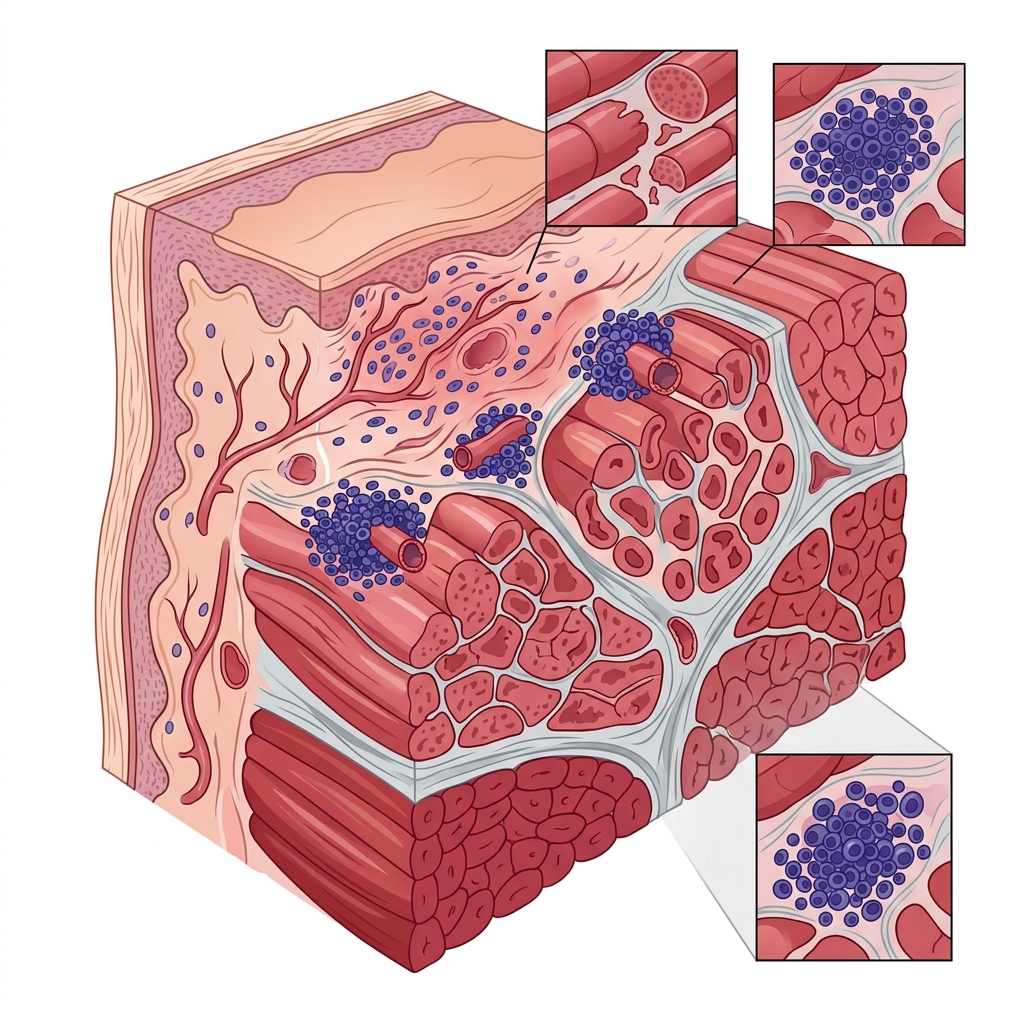
Simply put, dermatomyositis is a rare health condition that causes muscle weakness and distinct skin rashes. It belongs to a broader group of muscle-weakening disorders called myopathies. Because of how it affects the body, it can sometimes lead to trouble breathing or swallowing if left unchecked.
These symptoms can develop slowly over several months for some people. For others, however, the signs can appear quite suddenly and progress rapidly. That is why seeing your doctor as soon as possible is critical if you notice these signs.
The sooner you start medical treatment, the better your chances are of avoiding serious health complications.
In very rare cases, especially during the first year after symptoms start, this condition can become life-threatening. also, having dermatomyositis can increase your risk of developing certain types of cancer later on.
Difference Between Dermatomyositis and Lupus.
You may have heard of a condition called lupus before. Dermatomyositis shares some similarities with lupus and other autoimmune diseases. However, there are clear and important differences between these conditions.
Because doctors do not yet know the exact cause of dermatomyositis, it is classified somewhat differently than classic autoimmune disorders. To help make these differences clear, look at the comparison table below.
| Feature. | Lupus. | Dermatomyositis. |
|---|---|---|
| Main Symptoms. | Joint pain, skin sensitivity, rashes, and internal organ impact (brain, lungs, kidneys). Symptoms tend to flare up and fade away over time. | Muscle weakness and specific skin rashes. Direct damage and inflammation within the muscle tissues. |
| Diagnosis. | Based on specific blood tests, clinical criteria, and physical symptom evaluation. | Blood tests, skin and muscle biopsies, imaging scans, and electrical tests. |
Getting an accurate diagnosis for either condition as quickly as possible is essential. If you develop any new or unusual health symptoms, schedule an appointment with your doctor right away.
Who is Most Likely to Get Dermatomyositis?
Dermatomyositis can technically affect anyone at any stage of life. However, medical data shows that certain groups face a higher risk than others.
- Children between the ages of 5 and 15 years old.
- Adults between the ages of 40 and 60 years old.
- Women are diagnosed with this condition more often than men.
Keep in mind that this is an extremely rare condition. On average, it affects only about one person out of every 100,000 people each year.
How the Body is Affected and Cancer Risks.
Dermatomyositis can impact your health and daily life over the long term. If muscle damage becomes severe, you might lose full use of certain limbs, leading to a temporary or permanent disability.
This decline usually happens gradually over several years, though some people experience rapid muscle weakening.
also, one of the most serious concerns associated with this condition is the link to cancer.
Studies show that roughly 15% of people diagnosed with dermatomyositis may develop some form of cancer later on in life.
The types of cancer most commonly associated with this condition include:
- Ovarian cancer .
- Lung cancer .
- Lymphoma .
- Breast cancer .
- Colon cancer .
Because of this risk, once you receive a dermatomyositis diagnosis, discussing cancer screenings and preventative monitoring with your doctor is vital.
Symptoms of Dermatomyositis.
The two primary hallmarks of dermatomyositis are muscle weakness and skin rashes. Some people experience both signs at the exact same time.
For others, one symptom appears first. This the second sign may take weeks, months, or even years to develop.
Let us look closer at these specific symptoms in detail.
| Symptom Category. | Description and Examples. |
|---|---|
| Muscle Weakness. |
This weakness makes everyday tasks difficult. Common signs include:
|
| Skin Rashes. |
Rashes typically appear on sun-exposed skin. They often look purplish-pink and may feel swollen. Common areas include:
|
| Other Signs. |
|
When children develop this condition, symptoms may sometimes fade entirely as they grow into adults. However, for about 80% of adult patients, the condition remains chronic throughout life, meaning symptoms flare up and subside periodically.
What Causes Dermatomyositis?
To be completely honest, medical experts do not yet know the exact root cause of dermatomyositis. However, researchers have identified several factors that are believed to play a role.
- Genetic factors: Some studies suggest that inherited genes can make certain people more vulnerable to developing the condition.
- Autoimmune issues: Much like other autoimmune disorders, your immune system—which normally protects you—mistakenly attacks your own healthy muscle and skin cells.
- Viral infections: Evidence indicates that recovering from a viral infection might sometimes trigger or activate the onset of dermatomyositis.
- Environmental factors: Living in areas with poor air quality or high environmental pollution may also contribute to the risk.
How is Dermatomyositis Diagnosed?
Once your doctor listens to your symptoms and examines your physical condition, they will likely order several diagnostic tests to confirm what is happening.
| Testing Method. | What It Examines. |
|---|---|
| Blood Tests. | Checks for elevated muscle enzymes released when muscles become damaged. These tests also look for specific autoantibodies that show immune system activity. |
| Biopsy. | Takes a very small tissue sample from an affected skin area or muscle to examine under a microscope for signs of inflammation. |
| Imaging Scans. | Uses an MRI (Magnetic Resonance Imaging) scan or chest X-rays to check the condition of your muscles, lungs, and surrounding tissues. |
| EMG Test. | Electromyography measures the electrical activity in your nerves and muscles to confirm if weakness stems from muscle disease. |
Treatments Available for Dermatomyositis.
While dermatomyositis cannot be completely cured, wonderful treatments are available to control symptoms, reduce muscle damage, and help you maintain a normal lifestyle. Your doctor will choose the best treatment plan based on your specific needs.
- Corticosteroids: These powerful medicines help quickly reduce inflammation and swelling in your muscle tissues.
- Physical therapy: Guided exercises are vital for rebuilding strength in damaged muscles so your body can better withstand the condition.
- Immunosuppressant medicines: These drugs work by calming down an overactive immune system so it stops attacking healthy cells.
- Intravenous immunoglobulin (IVIg): Healthy antibodies delivered through an IV infusion help regulate faulty immune system responses.
- Speech therapy: If throat muscles become weak and make swallowing difficult, speech therapy exercises help strengthen those areas.
How to Manage Your Symptoms.
Living with a chronic condition is a long journey, which makes proactive symptom management essential for your daily well-being.
- Do not skip your exercises: Follow the physical therapy routines provided by your doctor or therapist to keep your muscles strong.
- Take your medicine on schedule: Always take your prescribed drugs exactly as instructed for the full duration recommended.
- Protect yourself from the sun: Ultraviolet (UV) rays from sunlight can worsen skin rashes. Limit your time outdoors in direct sun, and wear protective clothing.
- Use sunscreen daily: Apply a broad-spectrum sunscreen with an SPF of 50 or higher whenever you go outside, reapplying every two hours.
- Keep regular doctor appointments: Frequent check-ups allow your medical team to monitor your symptoms and adjust treatments safely.
Additional Important Facts to Know.
Discovering you have dermatomyositis can feel frightening at first. Learning that it is a lifelong condition can bring an understandable wave of stress.
Remember, however, that getting an early diagnosis and starting prompt treatment gives you the best chance of living a comfortable and full life.
Although there is no permanent cure, about 80% of patients manage their chronic symptoms with treatment. Roughly 20% of people even achieve long-term remission where symptoms disappear entirely.
The overall mortality risk remains quite low (around 5%). However, certain risk factors can increase complications, including:
- Waiting more than six months to start treatment after symptoms begin.
- Being over 60 years of age.
- having severe, widespread symptoms.
- Having the condition affect your throat, lungs, or heart.
- Developing an associated cancer.
When Should You See a Doctor?
If you notice new muscle weakness—especially if it occurs alongside an unexplained skin rash—do not delay. Schedule an appointment with your doctor right away.
As we have emphasized throughout this guide, catching and diagnosing this condition early allows treatment to begin quickly, protecting you from serious complications.
When to Call Emergency Services (911 / 999).
Seek immediate emergency medical attention or go to the nearest emergency department if you experience severe breathing difficulties, sudden chest pain, or choking while trying to swallow food. These are medical red flags requiring urgent intervention.
When you visit your doctor, be sure to ask these helpful questions:
- Do I have dermatomyositis, or could my symptoms point to another condition?
- What diagnostic tests do I need to complete?
- What treatment options do you recommend, and how long will I need them?
- Should I undergo routine cancer screenings?
Collaborating with your doctor to create a personalized care plan helps you understand what to expect and gives you clear steps to follow if your symptoms worsen.
Take-Home Message.
- Dermatomyositis is a rare inflammatory disorder that causes muscle weakness and distinct skin rashes.
- Spotting symptoms early and seeing a doctor promptly helps prevent severe health complications.
- Because this condition is usually chronic, long-term management and care are required.
- Following your treatment plan, doing physical therapy exercises, and practicing sun protection are essential.
- Talk openly with your doctor about cancer screenings and ongoing monitoring.
A Note from Dr. Priya Sammani.
Dermatomyositis is a rare inflammatory condition marked by muscle weakness paired with purplish-red skin rashes and bumps. Weakness in the shoulders and thighs is especially common. Beginning steroids and immune-modulating treatments early under medical guidance helps manage symptoms successfully. Never hesitate to talk with your doctor about any new physical changes you notice.


💬 Comments (0)
No comments yet. Be the first to share your thoughts here.
Add Your Comment