

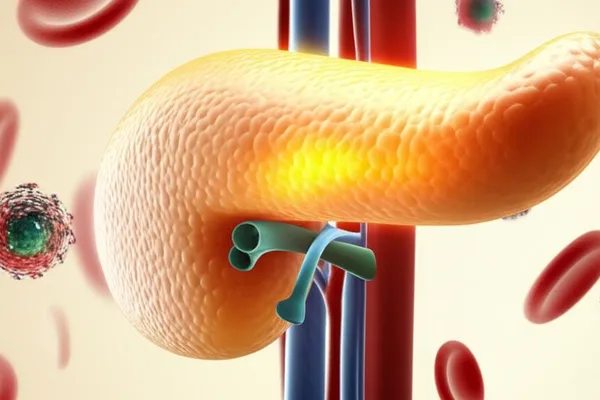
We have all heard of diabetes. We are also familiar with the word insulin. But do you know who produces this insulin in our body? It is the pancreas, or as we say in English, the pancreas. This is a small but very important organ located deep inside our abdomen, between the stomach and the spine. If the function of this organ is even slightly impaired, it can affect our entire body system. So today, let's talk about this important relationship between the pancreas and diabetes.
What is the pancreas? What does it do?
Simply put, the pancreas has two main functions.
1. Aiding in digestion: We produce special enzymes needed to digest the food we eat and release them into our intestines.
2. Controlling blood sugar levels: This is the most relevant to our topic. The pancreas produces a hormone called insulin and adds it to our blood. The role of this insulin is to take the sugar (glucose) in our blood and send it into the body's cells to produce energy.
Imagine what happens if your pancreas doesn't work properly, or if your body can't use the insulin it produces? Then the sugar in the blood can't get into the cells and builds up in the blood. This is the condition we call diabetes.
But it's important to remember this too. Not everyone with diabetes will develop other pancreatic diseases (such as pancreatitis or cancer). Also, not everyone with those diseases will develop diabetes. But there is a connection between these two. It's important to be aware of that.
Let's learn about the main types of diabetes.
There are several main types of diabetes. Let's take a look at what they are.
| Type of diabetes | What is really happening? |
|---|---|
| Type 1 Diabetes | What happens in this is that the body's own immune system mistakenly attacks and destroys the insulin-producing cells in the pancreas. As a result, the body is unable to produce enough insulin. |
| Type 2 Diabetes | This is the most common type. It occurs when the pancreas does not produce enough insulin, or the body is unable to properly use the insulin it produces (Insulin Resistance). |
| Gestational Diabetes | This only occurs during pregnancy. With the hormonal changes that occur during that time, insulin function is impaired, and the pancreas is unable to produce enough insulin to cope with it. This condition usually goes away after the baby is born. However, a person who has this condition is more likely to develop type 2 diabetes later in life. |
The relationship between diabetes and pancreatitis
Pancreatitis is an inflammation of the pancreas. This occurs when digestive enzymes become activated inside the pancreas before they reach the intestines, damaging its cells.
Although diabetes does not cause pancreatitis, people with type 2 diabetes are at increased risk of developing the condition. The two main causes are excessive alcohol consumption and gallstones. Sometimes, no cause can be found.
There are also two types of pancreatitis:
- Acute Pancreatitis: This comes on suddenly and lasts for several days.
- Chronic Pancreatitis: This is a condition that occurs repeatedly over many years. This can lead to permanent damage to the cells of the pancreas, scarring, and loss of function. If this chronic condition continues, it can lead to diabetes.
What are the symptoms of pancreatitis?
- Upper abdominal pain
- Abdominal pain radiating to the back
- Fever
- Increased heart rate
- Nausea
- Vomiting
- Severe pain when the stomach is touched
If you have these symptoms, it is essential to seek medical advice immediately. In some severe cases, hospitalization may be necessary. To reduce this risk, it is very important to maintain a healthy lifestyle, lose weight, and avoid smoking and alcohol.
Diabetes and Pancreatic Cancer
This is a topic we need to be a little more careful about. Pancreatic cancer is a type of cancer that starts in the cells of the pancreas. There is a link between type 2 diabetes and this cancer.
- Diabetes as a risk factor: People with diabetes are about twice as likely to develop pancreatic cancer as people without type 2 diabetes. This risk is especially high if they have had diabetes for more than 5 years.
- Diabetes as a symptom: Sometimes, pancreatic cancer can also cause diabetes. This is because the cancer cells destroy the cells that produce insulin. Especially, if you develop type 2 diabetes after the age of 50, it can be a symptom of pancreatic cancer. Also, if your blood sugar levels, which have been well-controlled for a long time, suddenly change to something that is uncontrollable, that is also something to pay attention to. Be sure to talk to your doctor about this.
Risk factors for pancreatic cancer
- Tobacco use: People who smoke are twice as likely to develop the disease as those who don't.
- Overweight: People with a Body Mass Index (BMI) over 30 have a 20% increased risk. Fat accumulation, especially in the abdominal area, is also a risk factor.
- Age: The risk increases with age. Most patients are over 45 years old.
- Family history: This cancer can be seen in some families due to genetic reasons.
When pancreatic cancer is treated (for example, if all or part of the pancreas is removed with surgery such as the Whipple procedure), the ability to produce insulin is completely lost. This inevitably leads to diabetes.
If you have diabetes and pancreatic cancer, managing your diabetes can be a little more complicated. Your doctor may want to change your medication and test your blood sugar more often. It's best to talk to your doctor about this and follow their advice.
Take-Home Message
- The pancreas is the main organ in our body that produces insulin, which controls blood sugar levels.
- Diabetes is not a single disease. There are three main types (Type 1, Type 2, Gestational). Each has different causes.
- People with type 2 diabetes are at increased risk of developing pancreatitis. A healthy lifestyle can reduce this risk.
- New onset of diabetes after age 50, or sudden worsening of well-controlled diabetes, may be a symptom of pancreatic cancer. Be aware of this.
- If you have any concerns or questions about diabetes or your pancreas, don't be afraid to talk to your doctor about it. That's the best thing you can do.




💬 Comments (0)
No comments yet. Be the first to share your thoughts here.
Add Your Comment