
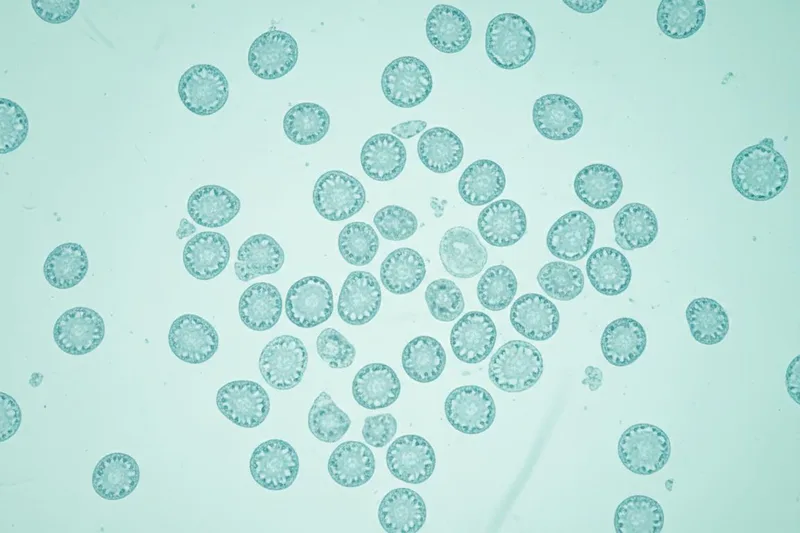
Have you ever heard of the disease `Diffuse Large B-Cell Lymphoma` or `DLBCL`? This is a type of cancer that spreads a little faster. But don't worry, if it is detected early and treated correctly , it can be cured . Today, let's talk about this `DLBCL` in simple terms.
What is DLBCL?
DLBCL is a cancer of the blood. In this disease, a type of white blood cell called B cells (also called lymphocytes) in our body becomes cancerous. This is the most common, fastest-growing, and most aggressive type of lymphoma called non-Hodgkin lymphoma. Our lymphatic system fights germs. When DLBCL develops, these B cells become cancerous and grow rapidly, crowding out healthy cells. They are then unable to fight germs. These cancerous cells can form anywhere, including the lymph nodes, digestive tract, and brain. Although it is serious, it can be cured if detected early.
What are the types of DLBCL?
The World Health Organization (WHO) has identified several types of DLBCL. Doctors use each type to determine how the cancer progresses and responds to treatment. This classification is mainly influenced by:
- Genetic changes in cells.
- The location in the body where DLBCL begins (e.g., central nervous system - `CNS`).
- An association with a virus (e.g. Epstein-Barr virus - EBV).
It is very important to ask your doctor about the type of DLBCL you have.
How common is this?
DLBCL is the most common type of lymphoma. However, DLBCL is not very common among cancers in general. For example, DLBCL occurs in about 6 in 100,000 people. This is relatively rare compared to other cancers.
What are the symptoms of DLBCL?
The most common symptom of DLBCL is swollen lymph nodes in the neck, armpits, or groin . These may start as a lump, gradually get larger, and may not be painful.
Some people (about one in three) may also experience special symptoms called "B symptoms" :
- Fever (over 39.5 Celsius) that lasts for more than two days or comes and goes.
- Losing more than 10% of body weight in six months without any reason.
- Sweating profusely at night, so much so that the bed sheets get wet.
Don't be afraid to think it's DLBCL even if you have these symptoms. However, if they persist for several weeks, see a doctor.
Why does DLBCL develop? What are the risk factors?
DLBCL is caused by mutations in B cells. These are acquired genetic mutations that occur during life . The exact cause is unknown, but several factors have been identified that increase the risk:
- Age: It is most common in people in their 60s. The average age of diagnosis is around 64 years.
- Gender: Men can develop it slightly more than women.
- Family history: If a first-degree relative (parent, sibling, child) has DLBCL, you may have a slightly increased risk of developing it (the reason is not yet clear).
- Infections: Viruses such as Epstein-Barr virus (EBV), human immunodeficiency virus (HIV), and hepatitis B and C.
- Weakened immune system: Having a `primary immunodeficiency` or `autoimmune disorder`, or taking `immunosuppressants` after an organ transplant. This is a major risk factor.
- Higher body mass index (BMI) at a young age and exposure to some toxic substances used in farming.
Even though these factors are present, not everyone develops them, or they can develop them. But it is important to be aware of these.
How is DLBCL diagnosed? (Diagnosis)
Doctors confirm DLBCL through a lymph node biopsy (taking a small piece of a swollen lymph node for examination) and genetic testing. If DLBCL is confirmed, further tests are done to see if the cancer has spread:
- Blood tests: Complete blood count (CBC), to check for viruses such as HIV, EBV, and hepatitis.
- Lactate dehydrogenase (LDH) test: This enzyme is found at high levels in the majority of DLBCL patients.
- Imaging tests: CT scan, MRI scan, PET scan.
- `Bone marrow biopsy` .
- Lumbar puncture (examination of spinal fluid).
Doctors make decisions about your condition and plan treatment based on the information obtained from each of these tests.
What are the stages of DLBCL?
Cancer staging systems are used to determine how far a cancer has grown and spread. This helps to plan treatment and predict the prognosis. The stages of DLBCL are:
- Stage I: The cancer is only in one lymph node, one organ in the lymphatic system, or one area of a single organ outside the lymphatic system.
- Stage II: Lymphoma is present in several groups of lymph nodes on the same side of the diaphragm.
- Stage III: Cancer is present in the lymph nodes on both sides of the diaphragm.
- Stage IV: DLBCL cancer has spread to organs outside the lymphatic system (e.g. bone marrow, liver, lungs).
Doctors call stages I and II "early stages" and stages III and IV "advanced stages".
What are the treatments for DLBCL?
The most common treatment for DLBCL is R-CHOP . This involves a combination of a monoclonal antibody called rituximab, several types of chemotherapy, and a corticosteroid. Even if this treatment is successful, the disease may come back (about 30%-40%). If this happens, your doctor may recommend other treatments:
- Second-line treatment and `autologous stem cell transplant`.
- `CAR T-cell therapy`: This is an `immunotherapy`.
- `Targeted therapy`: Treatments that target genetic changes.
Remember, your doctor will determine the best treatment for you based on your specific condition.
Can the development of DLBCL be prevented?
There is no way to completely prevent DLBCL. There are risk factors that we cannot control. However, there are steps we can take to protect ourselves from infections that can be linked to DLBCL, such as hepatitis and HIV. It is also a good idea to try to maintain a healthy body mass index (BMI). These can help reduce your risk to some extent.
What can someone with DLBCL expect?
Some types of DLBCL can be life-threatening and difficult to treat. However, doctors can often treat and cure the disease . In many cases, front-line treatment can bring DLBCL into complete remission (a state where there are no signs or symptoms of the cancer). About 60% of people with DLBCL are cured with first-line treatment. On average, people who are cancer-free two years after diagnosis can expect to live a normal life span, similar to other people their age. The survival rate is even higher if cancer is detected at an early stage .
However, your experience will depend on many factors, including the type of DLBCL you have, the stage of the cancer, and your overall health. Only your doctor can give you the best information about this.
How do I take care of myself? (Self-care)
Living with cancer is not easy, it is very tiring. It is very important to take care of yourself while undergoing treatment for `DLBCL`.
- Nutrition: Eat a good, balanced diet. Ask your doctor what to eat and what to avoid.
- Rest: Treatment may cause fatigue. Get plenty of rest.
- Exercise: Light exercise can reduce stress.
- Support: This is a rare condition, so it can feel lonely. Join support groups where there are people like you. Talk to family and friends.
Need to see a doctor and emergencies
You will see your doctor regularly during treatment. Even after treatment is over, you will need to see him or her every 3-4 months for the first two years and less often for the next three years. This is to check for recurrence. If you have any signs that the cancer has returned, tell your doctor right away.
Treatments like chemotherapy can have serious side effects. If these things happen , go to an emergency room immediately :
- More severe side effects than expected.
- Fever higher than 38 Celsius (100.4 Fahrenheit).
- Unstoppable shaking .
- Severe stomach pain or persistent diarrhea .
Questions to ask your doctor about DLBCL
It's normal to have many questions when you find out you have DLBCL. It's important for you to ask your doctor questions like these:
- What type of `Diffuse Large B-Cell Lymphoma` do I have? What is the `stage`?
- What kind of treatment do I need? What are the side effects?
- Will these treatments cure cancer completely?
- What treatments are available if the cancer comes back?
- Can you refer me to a support group for people with this type of cancer?
In addition to these questions, don't be afraid to ask your doctor anything you have in mind or any doubts you may have.
Finally, remember (Take-Home Message)
When most of us hear the word "aggressive" when talking about cancer, we think of it as a disease that is incurable and difficult to cure. But that's not the case with Diffuse Large B-Cell Lymphoma (DLBCL). Although DLBCL can spread rapidly, current cancer treatments can often kill these cancerous B cells. Doctors even use words like "cure" when talking about some people's conditions.
The most important thing is to ask your doctor how your diagnosis will affect your treatment outlook. So, don't be afraid, be informed, and follow your doctor's advice. Don't forget that DLBCL can be defeated with early detection and proper treatment!
` Cancer, lymphoma, B cells, lymph nodes, symptoms, treatment, DLBCL, chemotherapy, immunotherapy


💬 Comments (0)
No comments yet. Be the first to share your thoughts here.
Add Your Comment