
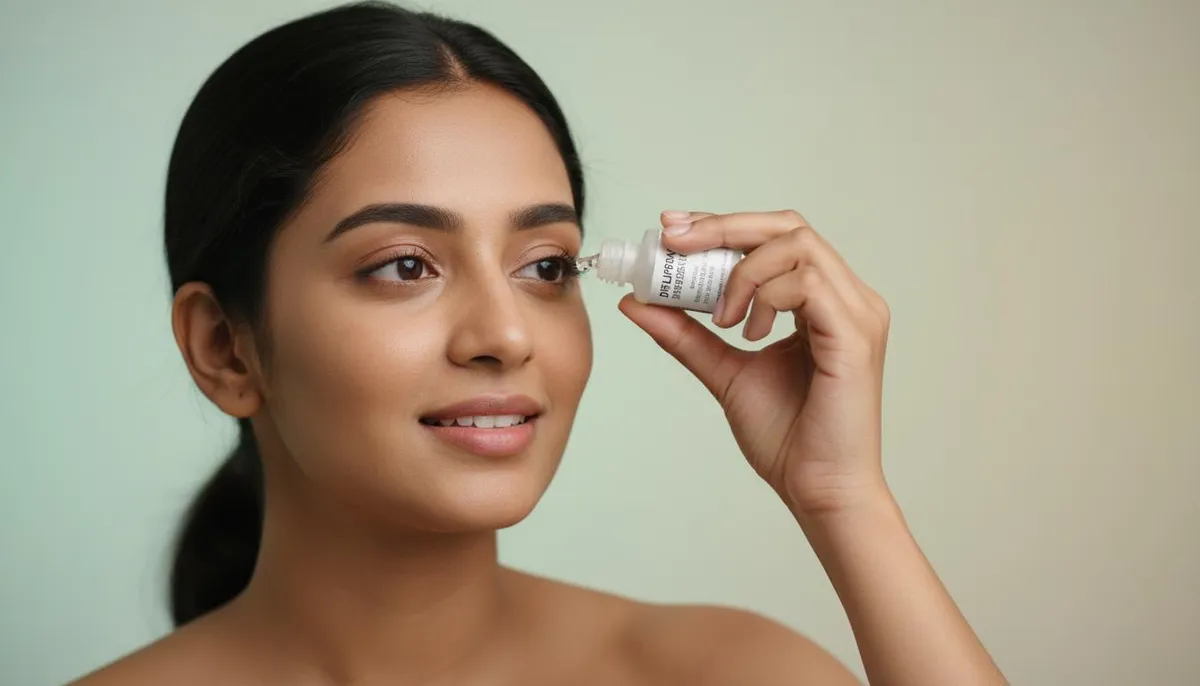
Are your eyes aching, bloodshot, or swollen after a recent eye operation? Or perhaps your eye specialist diagnosed painful internal eye inflammation and sent you home with a small prescription dropper bottle? When delicate eye tissues become inflamed, even normal daylight or looking at a phone screen can feel sharp and exhausting, so we doctors often turn to a targeted prescription drop called difluprednate ophthalmic emulsion—widely known under the brand name Durezol (and sometimes searched internationally as Difed eye drops).
Because this medication is far stronger than ordinary over-the-counter redness drops, using it properly matters tremendously for both your comfort and your long-term eyesight. Let us walk through exactly how this eye drop works, how to instill each dose safely at home, what side effects require prompt medical attention, and how to protect your eyes throughout your recovery.
📌 Key Takeaways at a Glance
- Targeted Potent Relief: Difluprednate ophthalmic emulsion is a high-strength prescription steroid eye drop used strictly in the eye to calm severe pain and swelling after eye surgery or during anterior uveitis.
- Not for Ordinary Red Eyes: Never use this medication for routine allergies, dry eyes, or unexamined "pink eye," as steroids can rapidly worsen viral, bacterial, or fungal eye infections.
- Technique Protects Your Vision: Always wash your hands, shake the bottle well, avoid touching the dropper tip to your eye, and press the inner corner of your eyelid for 1 to 2 minutes after each drop.
- Never Stop Abruptly: Follow your doctor's exact tapering schedule—stopping suddenly can trigger rebound inflammation, while using it beyond 2 weeks without pressure checks risks glaucoma.
- Keep Contact Lenses Out: Remove contact lenses before applying difluprednate and follow your eye doctor's advice on when it is safe to wear them again.
What Is Difluprednate Ophthalmic Emulsion and How Does It Work?
Difluprednate ophthalmic emulsion (brand name Durezol) is a high-potency prescription corticosteroid eye drop used to relieve severe pain, redness, and internal swelling after eye surgery—such as cataract removal—and to treat inflammatory eye conditions like endogenous anterior uveitis by rapidly blocking inflammatory chemicals inside the eye.
Think about it for a second: whenever your eye undergoes delicate microsurgery—like removing a cloudy lens during cataract surgery—your immune system treats that surgical incision like an injury and launches a rapid chemical response. Within hours, cells inside the eye release inflammatory messengers called prostaglandins and leukotrienes, which widen tiny blood vessels, leak fluid, and trigger throbbing soreness and light sensitivity. Difluprednate steps in right at the top of that chain reaction by blocking a key enzyme called phospholipase A2, shutting down inflammatory chemical production before swelling can spiral out of control.
What makes difluprednate stand out from older steroid drops is its specialized ophthalmic emulsion base. Rather than floating as tiny solid particles that can settle unevenly, the active medicine is dissolved uniformly inside microscopic lipid droplets, allowing it to penetrate the front surface of the eye (the cornea) smoothly and consistently. Eye specialists primarily prescribe it for two distinct clinical situations: controlling postoperative pain and inflammation after ocular surgery, and calming painful inflammation of the middle layer of the eye (endogenous anterior uveitis). Pretty impressive how targeted a single drop can be, right?
What Should You Tell Your Doctor Before Using Difluprednate Eye Drops?
Before you put even a single drop into your eye, we doctors need a complete picture of your eye health and medical history. Because difluprednate suppresses local immune defenses inside the eye while calming swelling, certain underlying conditions can turn a helpful medication into a serious hazard if they go unnoticed.
- Current or Past Eye Infections: Tell your doctor immediately if you have ever had a cold-sore viral infection on the surface of your eye (herpes simplex keratitis), shingles around the eye, fungal eye infections, or untreated bacterial conjunctivitis. Steroids lower local immunity and allow hidden viruses or fungi to multiply rapidly on the cornea.
- High Eye Pressure or Glaucoma: Let your care team know if you or a close family member have elevated fluid pressure inside the eye (ocular hypertension) or optic nerve damage from high eye pressure (glaucoma), as steroid drops can push eye pressure higher.
- Recent Eye Procedures or Thin Corneas: Mention any previous corneal transplants, laser vision procedures, or conditions that thin the outer wall of the eye (cornea or sclera), since prolonged steroid exposure can slow tissue healing.
- Other Medications and Allergies: Share a full list of every prescription eye drop, preservative-free artificial tear, oral steroid, or herbal supplement you take, along with any known allergies to difluprednate or preservative ingredients like sorbic acid.
- Pregnancy, Breastfeeding, and Contact Lenses: Tell your doctor if you are pregnant, planning pregnancy, or nursing, and mention whether you normally wear soft or rigid contact lenses.
How Do You Use Difluprednate Ophthalmic Emulsion Correctly?
Have you ever wondered why two people using the exact same eye drop can experience completely different results? Almost every time, it comes down to drop technique. When half the drop spills down your cheek—or drains straight down your tear duct into your nose—your eye misses the therapeutic dose it needs to heal.
- Wash your hands thoroughly: Scrub your hands with warm water and plain soap for at least 20 seconds, then dry them on a clean towel before handling the bottle.
- Shake the bottle well: Even though difluprednate is formulated as a smooth emulsion, shaking the bottle gently before every single dose ensures uniform consistency.
- Get into a steady position: Sit comfortably in a chair or lie back on your bed, tilt your head back slightly, and look up toward the ceiling. Use one clean index finger to gently pull your lower eyelid downward, creating a tiny pocket between your lower lid and eyeball.
- Instill the exact prescribed drop: Hold the bottle upside down just above that lower eyelid pocket and squeeze gently to release one drop (or the exact number prescribed). Never let the dropper tip touch your eyeball, eyelashes, eyelids, or fingers—even brief contact can pull bacteria into the bottle and contaminate the entire solution.
- Close gently and press the inner corner: Close your eye softly without squeezing or blinking hard, which pumps medication out onto your cheek. Instead, gently press one clean fingertip against the inner corner of your closed eyelid right beside the bridge of your nose (a technique doctors call punctal occlusion) for 1 to 2 minutes.
Do you recall what we mentioned a moment ago about medication draining into your tear duct? Pressing that inner corner blocks the tiny drainage channel leading to your nose and throat, keeping the medication bathed over your inflamed eye where it belongs while reducing bitter taste or systemic absorption. If you also use lubricating tears or antibiotic drops after surgery, space them at least 5 to 10 minutes apart so one drop does not wash out the next, and always remove contact lenses before applying difluprednate.
What Should You Do If You Use Too Much or Miss a Dose?
Life gets busy during recovery, and accidentally squeezing out an extra drop or realizing at lunchtime that you forgot your morning dose happens more often than you might think. Knowing how to respond calmly keeps your healing on track without overreacting or taking unsafe shortcuts.
If an extra drop accidentally lands in your eye, stay calm—a single extra drop usually simply overflows onto your lower eyelid. Gently blot away the excess liquid from your closed eyelid with a clean tissue, or rinse your eye lightly with sterile saline or lukewarm tap water if it stings. However, if a child or adult accidentally swallows the liquid from the bottle, or if someone applies large quantities repeatedly by mistake, contact your local Poison Control hotline immediately (1-800-222-1222 in the US, or your regional Poison Information Centre in Canada, the UK, or Australia) or visit your local Urgent Care center or hospital Emergency Room (ER / A&E).
What if you miss a scheduled dose? Apply the missed drop as soon as you remember. However, if it is already almost time for your next scheduled dose, skip the missed one completely and return to your regular timetable—never apply a double dose to "catch up." Just as importantly, never stop using difluprednate abruptly just because your eye looks white and feels comfortable after three days. Remember how we talked earlier about shutting down that internal inflammation factory? Stopping a potent steroid cold turkey often causes rebound swelling that hits harder than the original soreness, which is why your eye doctor gradually tapers your drops over two to four weeks.
What Are the Possible Side Effects of Difluprednate Eye Drops?
Like every effective prescription medication, difluprednate ophthalmic emulsion can cause side effects ranging from brief, harmless irritation right after application to serious internal eye changes if used improperly or for too long. Look at what happens here: mild surface sensations usually fade within minutes, whereas pressure spikes inside the eye happen silently without early pain.
Common temporary effects include brief blurred vision right after putting the drop in, mild stinging or burning, sensitivity to bright sunlight (photophobia), watery eyes, or a mild brow ache. Far more serious complications develop when potent steroid drops are used beyond two weeks without eye-pressure monitoring, or when they are mistakenly placed into an infected eye. To help you tell normal healing sensations apart from warning signs that require medical review, we doctors organize symptoms into clear action categories below.
| Symptom or Side Effect Category | Clinical Explanation & Recommended Action |
|---|---|
| Brief Blurred Vision or Mild Stinging (Under 5 Minutes) | The lipid emulsion temporarily coats your tear film right after instillation, causing momentary haziness or mild tingling as it settles across the ocular surface. What you should do: Keep your eyes closed for a minute, wait until your vision clears completely before driving or operating machinery, and mention persistent stinging to your eye doctor at your next follow-up. |
| Light Sensitivity or Watery Eyes After Surgery | Healing corneal nerve endings and post-surgical pupil dilation commonly make bright outdoor daylight or indoor screens feel uncomfortable during the first week of recovery. What you should do: Wear wraparound UV-blocking sunglasses outdoors, dim indoor screens, and check with your eye specialist or Primary Care Physician (PCP) / family GP clinic if tearing worsens instead of improving. |
| Gradual Clouding, Halos Around Lights, or Brow Ache | Using steroid eye drops for more than 10 to 14 days can raise fluid pressure inside the eye (intraocular pressure) or accelerate lens clouding (posterior subcapsular cataracts), silently stressing the optic nerve. What you should do: Never skip your scheduled postoperative pressure checks, do not refill or extend your drops without explicit approval, and contact your ophthalmologist promptly if halos or brow aching appear. |
| Thick Yellow/Green Discharge, Worsening Redness, or White Corneal Spots | Because topical steroids dampen local immune defenses, bacteria, fungi, or dormant herpes simplex viruses can cause severe corneal ulcers or secondary infections. What you should do: Call your eye specialist immediately or visit a local Urgent Care center the same day for a slit-lamp eye exam—do not keep applying steroid drops until a doctor checks your cornea. |
How Should You Store and Dispose of Difluprednate Properly?
Storing your eye drops properly keeps the emulsion sterile, stable, and chemically effective throughout your prescribed course. Heat, freezing temperatures, and direct sunlight can break down the delicate emulsion droplets, reducing how well the medication controls your eye swelling.
- Maintain Room Temperature: Store the bottle tightly capped at controlled room temperature between 15°C and 25°C (59°F and 77°F). Never place difluprednate in the refrigerator or freezer, and never leave it inside a hot parked car or sunny windowsill.
- Protect From Light: Keep the dropper bottle inside its original outer cardboard carton whenever you are not actively using it, as direct light degrades the active steroid over time.
- Store Safely Out of Reach: Keep all prescription eye drops on a high shelf or locked cabinet well away from young children and pets.
- Discard Expired or Leftover Drops Safely: Once your doctor tells you your tapering schedule is finished, do not save leftover drops in your medicine cabinet for "future red eyes." Check the expiration date and post-opening discard guidelines on the carton, and return unused bottles to a local pharmacy medication take-back bin or dispose of them according to local household pharmaceutical guidelines.
✔️ What You Should Do & ❌ What to Avoid
- ✔️ Follow your tapering calendar strictly: Mark each week's drop frequency on your phone or calendar so you step down from four times daily to twice daily and once daily exactly as directed.
- ✔️ Protect healing eyes outdoors: Wear clean sunglasses outside in bright sunshine and wind, and avoid dusty yard work or gardening until your eye specialist clears you.
- ✔️ Attend every pressure-check appointment: Brief, painless eye pressure measurements at your eye clinic catch silent steroid pressure spikes early.
- ❌ Never wear contact lenses during treatment: Contacts can trap preservatives against your healing cornea and raise infection risk; wait until your doctor confirms your eye has fully healed.
- ❌ Never share prescription eye drops: A drop prescribed for your post-surgery recovery could cause severe corneal damage or blindness if used by a family member with an undiagnosed viral eye infection.
- ❌ Avoid rubbing your eye or swimming early: Rubbing can disturb surgical incisions, while swimming pools, lakes, and hot tubs harbor germs that threaten healing eyes.
🚨 When to Seek Immediate Emergency Care (Red-Flag Symptoms)
If you or someone near you develops any of these red-flag symptoms, do not wait — call 911 (or 999 in the UK / 000 in Australia) immediately or go straight to the nearest hospital Emergency Room (ER / A&E):
- Sudden, severe eye pain accompanied by nausea, vomiting, or a severe headache on the same side (warning signs of an acute eye-pressure spike).
- Sudden loss of vision, a dark curtain, or a rapid drop in visual sharpness that does not clear after blinking.
- Rapidly spreading eyelid swelling, pus-like discharge, or a visible cloudy white spot developing on the clear front window (cornea) of your eye.
- Signs of a severe allergic reaction, such as swelling of your face, lips, tongue, or throat, hives, or difficulty breathing after using the drops (call 911 in the US & Canada, 999 or 111 in the UK, or 000 in Australia right away).
💡 Key Take-Home Message
- Powerful Post-Surgery & Uveitis Relief: Difluprednate ophthalmic emulsion (Durezol) calms severe internal eye pain and inflammation quickly when used under close medical supervision.
- Clean Technique Is Non-Negotiable: Wash your hands, shake the bottle well, keep the dropper tip sterile, and press the inner corner of your eyelid for 1 to 2 minutes after every drop.
- Respect Steroid Boundaries: Never use these drops for unexamined red eyes, never exceed your prescribed timeline without eye-pressure checks, and always taper off gradually as instructed.






No comments yet. Be the first to share your question or experience below.