
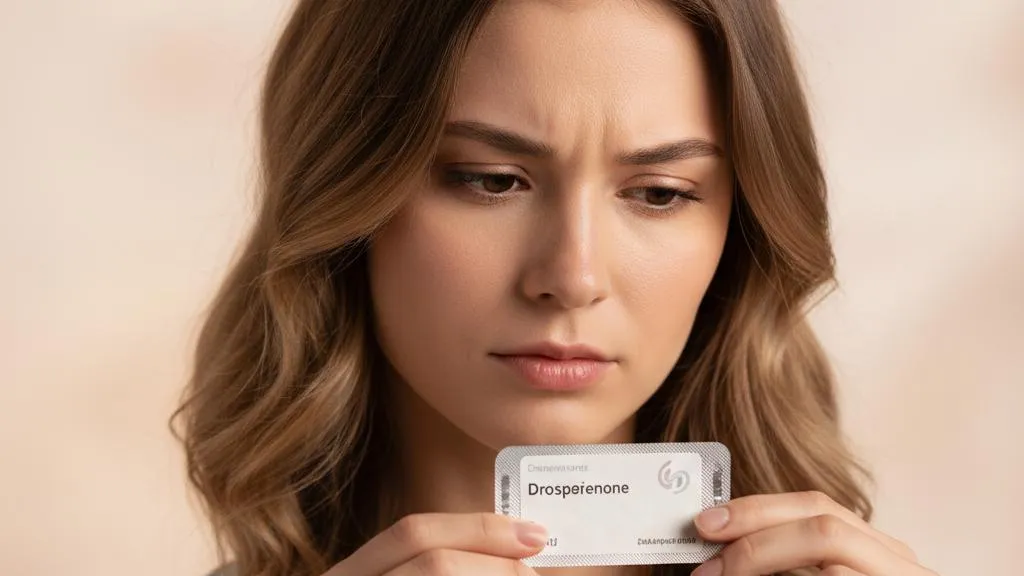
Are you looking for clear information about a birth control pill prescribed by your doctor? Perhaps your doctor recently recommended Drospirenone (sometimes known by brand names like Slynd), or you are simply curious about how it works. Navigating birth control options can feel overwhelming with all the medical jargon. This friendly guide breaks down what Drospirenone is, how it affects your body, how to take it safely, and what side effects to watch out for.
Birth control pills are a very personal choice, and understanding your medicine helps you feel confident and in control of your health. Let us walk through everything you need to know in plain, easy-to-understand English so you can talk comfortably with your doctor.
Key Takeaways
- Drospirenone is a progestin-only birth control pill designed to prevent pregnancy.
- You must take your pill at the exact same time every single day for it to work properly.
- Always tell your doctor about every medicine, supplement, or vitamin you take to avoid bad drug reactions.
- Seek emergency medical help right away if you experience chest pain, severe headache, or sudden leg swelling.
- This pill does not protect you against HIV or other sexually transmitted infections.
What is Drospirenone?
Drospirenone is a birth control pill used to prevent pregnancy. It belongs to a group of medicines called contraceptives. This specific pill contains only one hormone: progestin. Because it does not contain estrogen, people often call these "progestin-only pills" (POPs) or "mini-pills."
The main job of this pill is to stop ovulation, which means it stops your ovaries from releasing an egg. If your body does not release an egg, sperm cannot fertilize it, and pregnancy cannot happen. In addition, the pill makes the fluid (mucus) in your cervix thick and sticky. This makes it very hard for sperm to swim up into your uterus.
Things to Tell Your Doctor Before Starting This Medicine
This is a very important step. Before your doctor prescribes this medicine, they need to know your complete health history. Certain health conditions mean this medicine might not be safe for you. If any of the following situations apply to you, do not hide anything and tell your doctor right away:
- Unexplained vaginal bleeding: If you are having unusual bleeding from your vagina and the cause is still unknown.
- Adrenal gland disease: If you have any health problems affecting your adrenal glands.
- Blood vessel diseases or blood clots: If you have a history of blood clots in your legs, lungs, or anywhere else, or any blood vessel disease.
- Cancer: If you currently have or have had cancer of the breast, cervix, inner lining of the uterus, ovaries, liver, or uterus.
- Depression: If you are currently getting treatment for depression or have a history of mental health struggles.
- Diabetes: If you have diabetes mellitus.
- Heart disease: If you have heart problems or recently suffered a heart attack.
- High potassium levels: If blood tests show high levels of potassium in your blood.
- Kidney disease: If your kidneys do not work properly.
- Liver disease: If you have any liver problems or liver disease.
- Migraine headaches: If you suffer from frequent or severe migraines.
- Stroke: If you have had a stroke in the past.
- Allergies: If you are allergic to Drospirenone, other progestin hormones, other medicines, foods, dyes, or preservatives.
- Pregnancy: If you are already pregnant or trying to get pregnant.
- Breastfeeding: If you are a nursing mother feeding your baby.
Safety Note: If any item on this list applies to you, talking openly with your doctor ensures your personal safety and wellbeing.
How to Take This Pill Correctly
To get the best protection from this medicine, you must use it correctly every single day.
- Take it by mouth: Swallow the pill with a glass of water. Some people feel a bit of stomach upset or nausea when taking it. If this happens, taking the pill with a meal or right after eating helps reduce that discomfort.
- Take it on time: This is the most important rule. Take your pill at the exact same time every day. Choose a time that is easy to remember, like right after brushing your teeth at night. Setting a daily alarm on your phone is a very smart habit.
- Follow the pack order: Your pill pack marks the days clearly. Take the pills in that exact order. This helps you easily check if you missed a pill.
- Read the patient insert: Every time you pick up your prescription, read the patient package insert that comes in the box because guidelines can update.
- Do not take extra: Only take one pill a day as prescribed by your doctor.
What to Do If You Miss a Pill?
Life gets busy, and sometimes we forget things. If you miss taking your pill on time, take the missed pill as soon as you remember. Take your next pill at your normal scheduled time. This might mean taking two pills on the same day.
However, if you miss more than one pill, the medicine's ability to prevent pregnancy drops. In that situation, check the patient paper insert that came with your pills for clear instructions. You should also talk to your doctor about using an extra backup birth control method, like condoms, for a few days.
What If You Take Too Much Medicine?
If you think you have taken more pills than prescribed, go right away to the nearest hospital Emergency Department (ER or A&E). If you live in the UK, call 999 or NHS 111. If you live in the US or Canada, call 911. You can also call your local poison control center right away for expert guidance.
Other Medicines That Can Interact With Drospirenone
Certain medicines can react with Drospirenone. They can make the pill less effective or increase your risk of side effects. Because of this, you must tell your doctor about every single thing you take, including prescription drugs, over-the-counter medicine, herbal remedies, and vitamins.
| Medicine Category | Examples and Details |
|---|---|
| Never take these together with Drospirenone | |
| Certain HIV/AIDS drugs | Atazanavir, Cobicistat, Fosamprenavir |
| Bosentan | A medicine used for high blood pressure in the lungs |
| These can also interact - tell your doctor | |
| Anti-seizure medicines | Phenobarbital, Primidone, Carbamazepine, Phenytoin, Topiramate |
| Certain antibiotics and antifungals | Clarithromycin, Rifampin, Ketoconazole, Itraconazole |
| Water pills (Diuretics) | Amiloride, Spironolactone, Triamterene |
| Pain relievers (NSAIDs) | Ibuprofen, Naproxen |
| St. John's Wort | An herbal supplement often taken for low mood |
This list is not complete. To stay completely safe, always share your full medicine list with your doctor or pharmacist.
Things to Watch Out For While Taking This Medicine
- Regular medical checkups: While taking this medicine, visit your doctor on a regular schedule for exams. Routine checkups like breast exams and Pap smears are important. Your doctor may also order simple blood tests to check your potassium levels.
- If you suspect pregnancy: If you have any suspicion that you might be pregnant, such as a late period, stop taking the pill right away and contact your doctor right away.
- No protection against STIs: This is vital. This birth control pill does not protect you against HIV or other sexually transmitted infections (STIs). To stay safe from STIs, you must use a barrier method like condoms.
- Planned surgeries: If you are planning to have a major scheduled surgery, ask your doctor ahead of time if you need to stop taking this pill temporarily.
Possible Side Effects
Like any medicine, Drospirenone can cause side effects, though not everyone experiences them. Some side effects are serious. This others are mild and common. Knowing what signs to watch for keeps you safe.
| Side Effect Type | What to Look For (Seek Medical Help If You Notice These) |
|---|---|
| Allergic reactions | Skin rash, itching, swelling of your face, lips, tongue, or throat. |
| Blood clot signs | Pain, swelling, or warmth in your leg, trouble breathing, or sharp chest pain. |
| Heart attack signs | Chest pain, pressure spreading to your arm or jaw, nausea, cold sweats, or dizziness. |
| Stroke signs | Sudden numbness in your face or arm, trouble speaking, confusion, loss of balance, or severe headache. |
| Liver injury | Pain in your upper right belly, loss of appetite, dark urine, yellow skin or eyes (jaundice). |
| High potassium | Muscle weakness or irregular, fast heartbeat. |
| Common, less serious side effects (Talk to your doctor if they continue) | |
| Acne or skin breakouts | Headaches |
| Breast tenderness or tightness | Irregular periods or light spotting between periods |
| Menstrual cramps | Nausea or mild stomach upset |
| Weight gain | Mood changes |
If you experience any unusual symptoms not listed here, talk to your doctor right away.
When to Seek Emergency Medical Help
Call 911 (US/Canada), 999 (UK), or go to your nearest Emergency Department right away if you experience severe symptoms such as sudden chest pain, trouble breathing, sudden weakness or numbness on one side of your body, severe calf swelling and pain, or signs of a severe allergic reaction.
How to Store Your Medicine Properly
- Keep your pills safely out of reach of children and household pets.
- Store them at room temperature, ideally between 20°C and 25°C (68°F to 77°F). Protect them away from excess heat, direct sunlight, and moisture (such as a humid bathroom cabinet).
- Safely dispose of any leftover pills past their expiration date. Ask your local pharmacist how to safely throw away unused medicines.






No comments yet. Be the first to share your question or experience below.