

Today we are going to talk about a condition that is rarely heard of, but can sometimes be very important. Have you ever heard of something called 'Duodenal Cancer' ? Maybe you have always had stomach pain, bloating, and vomiting, and you have no idea what it is. In this article, we will look at what this duodenal cancer is, why it develops, how we recognize it, and what are the treatments for it.
Do you know what Duodenal Cancer is?
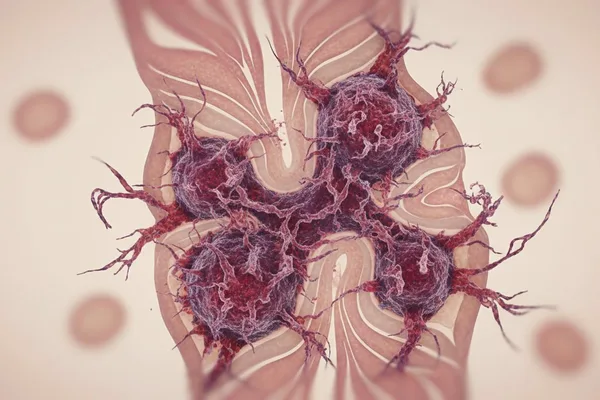
Simply put, Duodenal Cancer is a tumor that develops when cells in the first part of our small intestine , the duodenum , grow abnormally and rapidly. When this type of tumor develops, our intestines may not be able to digest food properly, and it may also block the way for food to move down the intestine.
Imagine, in the early stages, you may not notice any symptoms of this cancer. But as the tumor grows, symptoms related to your digestive system , such as nausea, stomach pain, and constipation, begin to appear.
Where is the duodenum located in our body? What happens in it?
We have the small intestine inside our stomach, right? The first part of it is called the duodenum or the duodenum . It is a small part that is shaped like a horseshoe. After the food we eat comes from the stomach, it goes directly into this duodenum.
The main function of the duodenum is to start digesting food properly. Various chemicals and enzymes that help in this are secreted from the duodenum. These break down the food well and prepare the vitamins and nutrients in it in a way that the body can absorb them. After that, the duodenum sends this digested food to the next part of the small intestine, which is the jejunum . Do you understand?
Are there types of duodenal cancer?
Yes, because there are different types of cells in the duodenum, there are several types of cancer that can develop there. Doctors mainly talk about four types:
- Adenocarcinoma: This is the most common type of duodenal cancer. It develops in the cells that produce the chemicals and enzymes that help digest food.
- Carcinoid tumors: These are a type of tumor that usually grows slowly. They most often start in our digestive tract (GI tract) , but over time they can spread to other parts of the body.
- Lymphoma: This type of cancer starts in the cells of our immune system that fight infection.
- Sarcoma: This starts in our bones, muscles, and soft tissues like blood vessels. The most common type of sarcoma that develops in the digestive tract is a type called gastrointestinal stromal tumor .
Who is more likely to develop duodenal cancer?
Doctors still can't say for sure why some people get this cancer and others don't. However, there are some factors that increase the risk of developing this cancer. Let's take a look at what they are:
- Age: This cancer is most often diagnosed in people between the ages of 60 and 80 .
- Race: In the United States, research has found that black people are more likely to develop this cancer. In Sri Lanka, specific data on this is still lacking.
- Health conditions: People with certain intestinal conditions, such as celiac disease or Crohn's disease, are at slightly higher risk.
- Health habits: Smoking, drinking alcohol, and regularly eating foods high in salt can also contribute to the development of this cancer.
- Hereditary conditions: Some genetic conditions can also increase the risk of duodenal cancer. For example, conditions like Familial Adenomatous Polyposis (FAP) , Lynch syndrome , and cystic fibrosis .
- Gender: Men are slightly more likely to develop this cancer than women.
What are the symptoms of Duodenal Cancer?
Most of the time, when the cancer is small, it may not show any symptoms . That's the scariest part of it. But as the tumor grows, you may experience symptoms like:
- Abdominal pain.
- Heartburn (acid reflux).
- Blood in your stool.
- Constipation.
- Nausea or vomiting.
- Unexplained weight loss.
Having these symptoms doesn't mean you have cancer. However, if these symptoms persist, it's always wise to see a doctor for advice.
Why does duodenal cancer develop?
In fact, doctors still don't know exactly what causes duodenal cancer. They think it starts with small growths (called polyps ) that sometimes form on the inside of our intestines. But they still don't know exactly why those polyps form. That's why it's important to be aware of your risk factors.
How does the doctor diagnose this cancer? (Diagnosis and Staging)
If you have the symptoms mentioned above, the first thing your doctor will do is ask you questions and examine you. Then, if cancer is suspected, they may do several tests to confirm it and find out what stage it is.
How to determine the stage of cancer (staging)
Doctors use a process called "staging" to diagnose cancer:
- Stages 0 to 1: This means the cancer is only in one place in your body.
- Stages 2 to 3: This means that the cancer has spread through the muscle and/or into nearby organs/structures, such as regional lymph nodes .
- Stage 4: This means that the cancer has spread to distant parts of the body.
Diagnostic tests
To find out exactly if you have cancer and determine its stage, your doctor may use tests like these:
- Imaging tests: For example, MRI and CT scans . These can take detailed pictures of your digestive tract.
- Upper endoscopy: This involves inserting a small, flexible tube (with a camera) through your mouth to examine the upper part of your digestive tract, which includes the esophagus, stomach, and duodenum.
- Barium swallow test: In this test, you are given a small amount of a chemical called barium to drink. Because it shows up well on X-rays, it can take detailed pictures of the upper part of your digestive tract.
- Biopsy: During a test such as an endoscopy, a small piece of tissue is taken from a suspicious area and tested in a lab to see if there are cancer cells. This is the only way to confirm whether cancer is present.
What are the treatments for Duodenal Cancer?
The treatment plan will vary depending on the stage of the cancer. Your doctor may recommend treatments such as:
- Surgery: A surgeon removes as much of the cancer as possible, but takes care not to damage healthy tissue. In some severe cases, a major operation called a Whipple procedure may be performed. This involves removing your duodenum, gallbladder, and a small part of your pancreas .
- Chemotherapy: This involves giving drugs to kill fast-growing cells, such as cancer cells. Chemotherapy can be given in several rounds, with periods of rest in between.
- Radiation therapy: A radiation specialist directs high-dose radiation beams into your esophagus. This radiation therapy shrinks or destroys cancer cells.
Important: It is very important to thoroughly discuss and understand all of these treatments, including their pros and cons, with your doctor.
What are the ways to avoid this cancer? (Prevention)
There is no guaranteed way to completely prevent duodenal cancer. However, there are several things you can do to reduce your overall risk of developing cancer of the digestive tract:
- Eating a diet low in red meat and high in lean protein, fruits, vegetables, and whole grains .
- Completely stop smoking and using tobacco products.
- Reducing alcohol consumption.
These things help protect you from not only cancer, but many other diseases.
What is life like with Duodenal Cancer? (Outlook)
As with any cancer, the earlier it is detected, the more likely it is to be treated and cured . The later it is, the more difficult it is to treat and the less likely it is to be cured.
Therefore, it is important to have regular medical checkups . If you have any unusual symptoms related to your digestive system, or if you notice a change in your eating habits, see a doctor as soon as possible . If someone in your family has had cancer, your doctor may also recommend screening tests that can help detect the disease early.
Is it possible to live without the duodenum?
Yes, you can live. If you have the Whipple procedure mentioned earlier, the duodenum is removed. But when the duodenum is gone, things like digestion and nutrient absorption may be slightly affected. Then the doctor may give you nutritional supplements, or perhaps even parenteral nutrition, to prevent malnutrition. The medical team will educate you well about this.
Are duodenal cancer and pancreatic cancer the same thing?
Yes, these are two completely different types of cancer . Duodenal cancer develops in the duodenum, the first part of our small intestine. Pancreatic cancer develops in the pancreas, an organ located behind and below our stomach. However, because these two organs are located so close to each other, sometimes the symptoms can be similar. That is why an accurate diagnosis is important.
What questions can you ask your doctor?
If you suspect you have duodenal cancer, or have been diagnosed with it, you can ask your doctor questions like these:
- What is the most likely cause of my digestive system symptoms?
- What stage is this duodenal cancer in?
- What are the treatment options for Duodenal Cancer?
- What could happen if I don't get treatment?
- What lifestyle changes should I make to reduce my risk of developing duodenal cancer?
In addition to these questions, don't be afraid to talk to your doctor about anything that's on your mind.
The most important things to keep in mind (Take-Home Message)
Duodenal cancer is a cancer that develops in the first part of our small intestine. It can interfere with the digestion of food and the absorption of nutrients. Since the disease may not show any symptoms in the early stages , it is very important to seek medical advice without delay if you continue to have unusual stomach pain, constipation, nausea, or vomiting.
Treatment options include surgery, chemotherapy, or radiation therapy. The sooner it is detected, the more likely it is to be successfully treated. So, take care of your body and see a doctor if you notice anything unusual. May we all have the strength to live a healthy life!
` Duodenal Cancer, Duodenal Cancer, Colon Cancer, Small Intestine Cancer, Cancer Symptoms, Cancer Treatment, Digestive System




💬 Comments (0)
No comments yet. Be the first to share your thoughts here.
Add Your Comment