
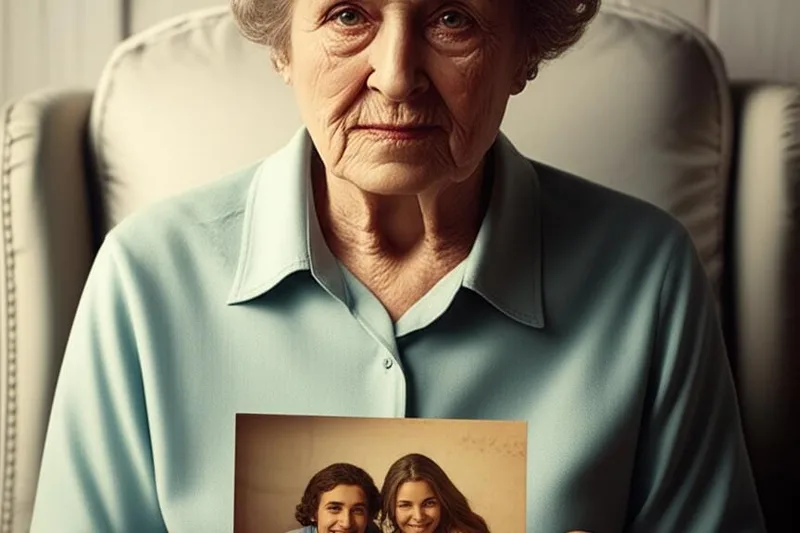
Think about your elderly mother, father, grandmother, or aunt. Have you ever felt like the person who used to be so happy, so full of family, and so full of fun has changed a bit? Do they always stay at home, don't talk much, and don't do the things they used to enjoy? We often think, "Oh... that's just how it is when you get older." But is it really a normal part of aging? No. This could be something more serious than we think, and it could be depression .
Why is depression difficult to diagnose in adults?
To be honest, diagnosing depression in the elderly can be a bit tricky, mainly because the symptoms of depression are very similar to those of other illnesses that occur with aging.
Think about it this way. Your grandmother may not be going out as much as she used to, or going to church. She may be saying, "My knees hurt now, I can't walk." It could actually be arthritis. But at the same time, the mental and physical exhaustion caused by depression could also be a reason for this.
For example, your aunt may no longer eat the foods she used to enjoy. She may say, "I have a stomachache and I don't feel like eating." That may be true, but there may also be a hidden reason for her lack of appetite due to depression.
The most important thing is this: Symptoms of depression are not a normal part of aging. So if you see these symptoms, don't just dismiss them as "just old age." They definitely need medical attention.
If left untreated, this condition can worsen, leading to physical health deterioration, depression, and even suicidal thoughts.
What are the main symptoms of depression?
Clinical depression is when a person experiences several of these symptoms for at least two weeks.
| Symptom | Simply put... |
|---|---|
| Sad mood that lasts all day | Being constantly sad and frustrated. Tears coming to your eyes for no reason. |
| Loss of interest in things | Things you used to enjoy doing (e.g., watching TV, playing with your grandchildren, gardening) you no longer feel like doing. |
| Body weight change | Weight loss due to loss of appetite or sometimes weight gain due to overeating. |
| Sleep problems (Insomnia) | Inability to sleep, waking up in the middle of the night, waking up at 3-4 am and not being able to fall back asleep, or sleeping too much. |
| Constant fatigue | Feeling tired and lifeless, even after sleeping well and doing nothing. |
| Feeling worthless about yourself | Having thoughts like "I'm useless now", "I'm a burden to everyone". Blaming oneself for things that happened in the past. |
| Difficulty concentrating | Listening to a story, reading a newspaper, having difficulty making a decision. |
| Thoughts about death | Thoughts like "I wish I were dead." In severe cases, even thoughts of suicide. This is a medical emergency. |
What happens when you go to the doctor?
When you take someone with these symptoms to a doctor, the first thing they do is do a complete physical examination. They also do laboratory workups, such as blood tests, to determine if the symptoms are caused by another physical condition.
After that, there are two main treatments for this condition:
1. Antidepressants: These are medications that balance brain chemicals and improve mood.
2. Psychotherapy: Talking to a trained professional, sharing your concerns, and getting support on how to deal with them.
Things to consider when administering medication
Doctors are very careful when prescribing antidepressants to older people. This is because they are usually taking several medications for other conditions (such as diabetes and high blood pressure). Therefore, they pay special attention to whether the new medication will interact with other medications, what the side effects are, and how to give the right dosage, as metabolism slows down as we age.
Therefore, if your mother, father, or other adult is taking you to a doctor, it is extremely important to tell the doctor about all the medications they are taking, including vitamins, Ayurvedic medicines, decoctions, poo panguwa, and coriander.
The most commonly used medications currently are ``SSRIs (Selective Serotonin Reuptake Inhibitors)``. Examples include ``Prozac (fluoxetine)``, ``Zoloft (sertraline)``, ``Paxil (paroxetine)``, and ``Celexa (citalopram)``.
An important principle that doctors follow is "Start low and go slow." Simply put, the medication is started at a very low dose. Then, the dose is slowly increased if necessary. This can greatly reduce side effects.
Medicine alone is not enough, these things are also very important.
In addition to medication and psychological counseling, two other things are very helpful in overcoming depression.
- Social Activities: Spending time with family and friends instead of staying home alone. Things like participating in almsgiving at a temple or attending activities at an elderly association bring great peace to the mind.
- Physical Activities: Exercise your body as much as possible. Things like taking a short walk every morning and doing some gardening are good for both your body and mind.
When these things are addressed along with treatment, they can once again become happy members of their family and society.
Take-Home Message
- Depression is a common condition among adults, but it often goes unnoticed.
- It's not normal to feel sad or frustrated about getting older. It can be a medical condition.
- The symptoms of depression can be similar to those of other illnesses, so if you notice any changes, be sure to see a doctor.
- There are effective treatments for this, such as medication and psychological counseling.
- Inform the doctor about all medications (including vitamins and Ayurvedic medicines) your adult is taking.
- If someone is talking or thinking about suicide, consider it a medical emergency and see a doctor immediately or take them to the nearest hospital's Emergency Department (ETU).


💬 Comments (0)
No comments yet. Be the first to share your thoughts here.
Add Your Comment