

If we see one of our loved ones suddenly having a seizure, convulsing, losing consciousness, and falling to the ground, we would all be very scared, wouldn't we? It is indeed a scary thing. But if we are properly aware of this condition, we will be very strong to help that person and live with this disease. So today, let's talk about this disease called epilepsy, or as many people know it.
What is epilepsy? Let's understand it simply!
Simply put, epilepsy is a chronic condition. It is caused by an abnormality in the electrical signals coming from our brain cells, causing repeated seizures. Think of it like tiny light bulbs. They are connected to each other and work in a certain electrical pattern. But in the brain of someone with epilepsy, this electrical process suddenly goes haywire, producing uncontrolled electrical energy like a lightning storm. That's when a seizure occurs. This can cause changes in your consciousness, muscle control (such as jerking of the arms and legs), sensations, emotions, and behavior. This is also called a seizure disorder .
Who can develop this mania?
In fact, anyone, at any age, regardless of gender, or race, can develop migraines. So it's hard to think, "I won't get them."
How common is this situation in the world?
In the United States alone, about 3.4 million people have migraines. That's about 3 million adults and 470,000 children. Worldwide, about 65 million people suffer from this condition. So it's not that uncommon.
What really happens inside the brain during a seizure?
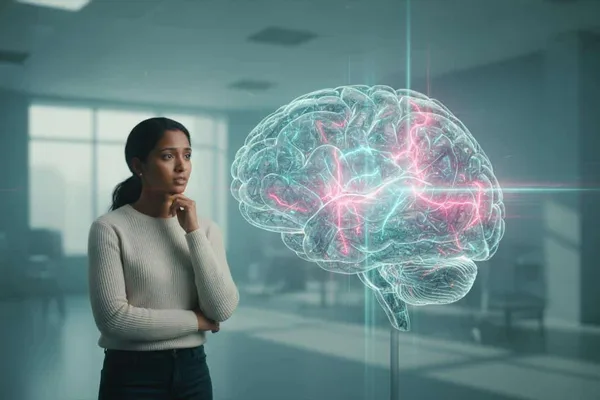
The cells in our brain send and receive messages throughout the body. These messages travel like electrical wires, from one cell to another in the form of electrical impulses. Epilepsy is caused by a disruption of this smooth, rhythmic electrical pattern. Instead, there is a sudden surge of electrical energy between cells in one or more areas of the brain, like an unexpected lightning storm . This electrical disturbance causes loss of consciousness, changes in sensation, changes in emotions, and uncontrolled muscle movements.
What are the types of seizures and their symptoms?
Doctors classify seizures based on the type of seizure that occurs. This classification depends on where in the brain the seizure starts, how conscious you are during the seizure, and whether or not there are muscle movements.
There are two main categories of seizures:
1. Focal Onset Seizures
This type of seizure starts on one side of the brain, in one specific area or network of cells. This was previously called a ``partial onset seizure``. There are also two types of this:
- Focal onset aware seizure:During this, you are conscious and aware of what is happening. This used to be called a `simple partial seizure`. Symptoms may include:
- Changes in your senses - changes in how you taste, smell, and hear things.
- Changes in emotions.
- Uncontrolled muscle twitching, usually in the arms or legs.
- Feeling like you're seeing lights, feeling dizzy, feeling numb.
- Focal onset impaired awareness seizure: In this, your awareness becomes confused, or you may lose consciousness completely. This was previously called a `complex partial seizure`. Symptoms may include:
- To stare blankly at one place.
- Repeating the same things over and over again, such as blinking, pursing the lips, pretending to chew something, or rubbing the hands.
2. Generalized Onset Seizures
This type of seizure affects a network of cells on both sides of the brain at once. There are six main types:
- Absence seizures: These are sudden, unresponsive seizures, meaning they temporarily lose consciousness. They may be accompanied by small muscle movements such as blinking, pursing of the lips, or small hand movements. These are more common in children and last for a few seconds (usually less than 10 seconds). They can often be mistaken for daydreaming. They used to be called `petit mal seizures`.
- Atonic seizures: `Atonic` means ``without tone.`` This means that during this seizure, your muscle control is lost or weakened. Things like your eyelids and head may droop, or you may suddenly fall to the ground. This is also a short seizure (usually less than 15 seconds). This is also called a ``drop seizure`` or ``drop attack.
- Tonic seizures: `Tonic` means ``toning.`` This is when your muscles suddenly tighten, like they're shaking. Your arms, legs, back, or entire body may stiffen, and you may fall. During this brief seizure (usually less than 20 seconds), you may be conscious, or you may have a slight change in consciousness.
- Clonic seizures: Clonus is a rapid, repetitive muscle contraction ("jerking"). In this, the muscle continues to twitch for a few seconds to a minute, or the muscle contracts and then jerks for a few seconds to two minutes.
- Tonic-clonic seizures: This is the type that most people think of when they hear the word "seizure".This is a combination of tonic and clonic muscle spasms. Doctors also call this a `convulsion`, and it used to be called a `grand mal seizure`. This involves loss of consciousness, falling to the ground, and muscle spasms lasting one to five minutes. The tongue may be clenched, saliva may drip from the mouth, and stool or urine may be released.
Imagine, your friend Kamal suddenly screams and falls to the ground. Then his body shakes, then his limbs start twitching rapidly. He slurps mucus from his mouth, and perhaps when he regains consciousness, he has wet his clothes without even realizing it. That's the nature of this tonic-clonic seizure.
- Myoclonic seizures: These are sudden, electric-like jerks or twitches of the muscles ("myo" means muscle, "clonus" means muscle twitching). They usually last a few seconds.
As your doctor further investigates your condition, your seizure type may change to one of two types: `focal` or `generalized onset seizure`.
Are there any specific causes (seizure triggers) for seizures?
Yes, there are certain things that happen before a seizure starts, or that help a seizure to occur. We call these seizure triggers .
The most commonly reported triggers are:
- Stress.
- Sleep-related problems - such as insomnia, not getting enough sleep, excessive fatigue, sleep disruptions, and sleep disorders like ``(Sleep apnea)''.
- Alcohol use, alcohol cessation, drug use.
- Hormonal changes, especially those associated with the menstrual cycle in women.
- Illness, fever.
- Flashing lights or patterns.
- Not eating a healthy, balanced diet, not drinking enough water; vitamin and mineral deficiencies, and skipping meals.
- Physical exhaustion.
- Certain foods (caffeine is a common trigger).
- Dehydration.
- Specific times of day or night.
- Use of certain medications. The ingredient ``(Diphenhydramine)`` found in some cold, allergy, and sleep medications has been reported as a trigger.
- Skipping the time to take seizure medication.
How do I find out what my seizure triggers are?
Some people find that their seizures occur at a specific time of day, or in conjunction with a specific event or other factor. You can keep a seizure diary.Keep it. Write down the time of the seizure, any special events that happened around the time, and how you felt. If you think something is a trigger, try to figure out if it is. For example, if you think caffeine is a trigger, see if you get a seizure every time you eat or drink something that contains caffeine, or if you eat "x" amount of caffeine, or if you drink caffeine at a certain time of day. It may not be a trigger after a while.
What are the signs and symptoms of a convulsive seizure?
The main symptom of epilepsy is recurrent seizures. However, the symptoms vary depending on the type of seizure you have.
Common signs and symptoms include:
- Temporary loss of consciousness or reduced consciousness.
- Uncontrolled muscle movements, muscle twitching, loss of muscle tone.
- It looks like he's staring blankly at one place.
- Temporary confusion, slow thinking, difficulty speaking and understanding.
- Changes in sensations such as hearing, vision, taste, smell, numbness, or tingling.
- Difficulty speaking or understanding.
- An upset stomach, feeling hot or cold, or having a headache.
- Movements like pursing the lips, chewing something, rubbing the hands, doing something with the fingers.
- Psychological symptoms such as fear, panic, anxiety, or déjà vu (a feeling like this has happened before).
- Increased heart rate and/or breathing rate.
Many people with epilepsy always have the same type of seizure. Therefore, the symptoms are similar with each seizure.
What are the causes of epilepsy?
In most cases (about 70% of cases) , no cause can be found for seizures. Some of the known causes include:
- Genetics: Some types of epilepsy (e.g., juvenile myoclonic epilepsy, childhood absence epilepsy) may run in families. Researchers believe that some genes are involved, but these genes only increase the risk of developing epilepsy, and other factors may also play a role.
- Mesial temporal sclerosis: This is a lesion that develops on the inner side of the temporal lobe of the brain. It can cause focal seizures.
- Head injuries: Can occur from vehicle accidents, falls, or any other blow to the head.
- Brain infections: Examples include `(brain abscess)`, `(meningitis)`, `(encephalitis)` and `(neurocysticercosis)`.
- Immune disorders: Conditions in which your immune system attacks brain cells (autoimmune diseases) can cause migraines.
- Developmental disorders:Abnormalities in the brain that occur at birth are a common cause of epilepsy, especially in those whose seizures cannot be controlled with medication. Examples: `(focal cortical dysplasia)`, `(polymicrogyria)`, `(tuberous sclerosis)`.
- Metabolic disorders: People who have problems with how the body gets energy (metabolic condition) may develop migraines.
- Brain diseases and blood vessel abnormalities: Migraines can be caused by blood vessel abnormalities such as brain tumors, strokes, dementia, and arteriovenous malformations.
How is this diagnosed?
Technically, if you have had two or more seizures, and they are not due to another known cause (e.g., alcohol withdrawal, low blood sugar), you are considered to have epilepsy. Before making a diagnosis, your doctor (or a doctor who specializes in epilepsy) will do a physical exam, ask about your medical history, and may order blood tests (to rule out other causes). They will ask about your symptoms at the time of the seizure and may also order other tests.
The doctor may ask you or a family member who witnessed your seizure whether the following things happened during the seizure:
- Did you pull a muscle?
- Did the muscles get tight?
- Did you pass stool or urine?
- Was there a change in breathing?
- Did your skin color turn pale?
- Were you waiting without a smile?
- Have you lost consciousness?
- Did you have difficulty speaking or understanding what was said?
What tests are done to diagnose this condition?
The main tests are:
- Electroencephalography (EEG): This measures the electrical activity of your brain. Some abnormal electrical patterns are associated with seizures.
- Brain scans: Tests such as `(Magnetic Resonance Imaging - MRI)` check for things like brain tumors, infections, or abnormalities in blood vessels.
What are the treatments for migraines?
Treatments to control migraine include anti-seizure medications, special dietary regimens (usually in combination with medication), and surgery .
Anti-seizure medications
These medications can control seizures in 60% to 70% of people with epilepsy. The effectiveness of these medications varies from person to person. The U.S. Food and Drug Administration (FDA) has approved more than 20 medications to treat epilepsy. Your doctor may try different medications until they find the right drug, dosage, or combination of medications for you.
When choosing a medicine, consider these things:
- Type of seizure.
- How you responded to previous seizure medications.
- Other illnesses you have.
- There is a possibility of side effects with other medications you are taking.
- Side effects of the seizure medication (if any).
- your age.
- General health status.
- Cost.
Important: Some anti-seizure medications can be harmful to the baby during pregnancy, so be sure to inform your doctor if you are pregnant or planning to become pregnant.
If anti-seizure medications don't control your seizures, your doctor will discuss other treatment options, which may include special diets, medical devices, or surgery.
Diet therapy
The ketogenic diet and the modified Atkins diet — both high-fat, moderate-protein, and low-carbohydrate diets — are recommended for some people with epilepsy. They are most often recommended for children who have not responded to medication and are not suitable for surgery. Low-glycemic index diets may also help reduce seizures in some people.
Surgery and devices
If medications do not control your seizures, and your seizures are severe, your doctor may consider surgery. If your seizures are not controlled by more than two types of medication, epilepsy surgery can be a safe and effective treatment. If your seizures are not controlled by medications, it is important to be evaluated at an epilepsy center to see if you are a good candidate for surgery.
Surgical options include surgical resection of the abnormal tissue, disconnection of the fibers that connect parts of the brain, stereotactic radiosurgery (targeted destruction of abnormal brain tissue), or the implantation of neuromodulation devices. These devices send electrical impulses to the brain, reducing seizures over time.
Can epilepsy be prevented?
Although many of the things that cause migraines are things we can't control or prevent, you can reduce your risk of developing some of the conditions that can lead to migraines:
- Reduce the risk of traumatic brain injury: Always wear a seat belt when driving and drive safely; wear a helmet when riding a bicycle; keep unnecessary items and wires off the floor at home to prevent falls; avoid climbing ladders.
- Reduce your risk of stroke: Eat a healthy diet (e.g., the Mediterranean diet), maintain a healthy weight, and exercise regularly.
- Get treatment for substance abuse. Alcohol and other illegal drugs can damage your brain, which can lead to dementia.
Is there a complete cure for migraine?
No, there is currently no complete cure for migraines. However, there are many options for treating migraines.
Will I always have seizures?
With proper treatment, about 70% of people will be free of seizures within a few years. The remaining 30% have a condition called drug-resistant epilepsy. These people should go to an epilepsy center to see if they are a good candidate for epilepsy surgery.
How long will I have to take seizure medication?
It depends on the type of epilepsy you have and how you respond to medication. Some people who have been seizure-free for years may be able to stop taking their medication. This decision is made by your doctor. He or she will consider many factors, such as the absence of brain lesions on your MRI, EEG records, and your medical history. Some people may need to take medication for the rest of their lives.
When should I see a doctor? When should I go to the emergency room?
If you 've never had a seizure before, and you think you're having one - or if people around you say you're "zoned out" or unconscious - see your family doctor. He or she may refer you to a neurologist for further testing.
Emergency! If you have a seizure that lasts longer than five minutes, or if you have multiple seizures in a row and are unable to regain consciousness, call 911 immediately (or tell a friend or someone nearby to call 911). In Sri Lanka, call the 1990 Suwaseriya Ambulance Service.
How do I manage my seizures?
These things can help you manage your seizures:
- Take your medicine exactly as prescribed by your doctor. If you miss a dose, call your doctor immediately.
- Get enough sleep (usually between seven and nine hours a night).
- Manage stress. Stress releases certain chemicals in the areas of the brain that are more prone to seizures. Try yoga, meditation, deep breathing exercises, biofeedback, or other relaxation techniques to reduce stress.
- Exercise regularly (about 30 minutes a day, five days a week).
- Avoid excessive alcohol consumption.
- Tell all your doctors that you have epilepsy. If another doctor prescribes medication for another condition, ask the doctor who is treating your epilepsy. Some medications, such as antidepressants, antihistamines, and stimulants, can interfere with the effectiveness of your seizure medication or cause side effects.
- Always tell your doctor about everything you take - over-the-counter medications, vitamins, supplements, and traditional medicines.
- Identify your seizure triggers and avoid them.
- Eat a healthy diet.
Can I drive if I have epilepsy?
In Sri Lanka, a medical report is required when applying for or renewing a driver's license. If you have a condition such as epilepsy, you should inform your doctor. Ask your doctor if you can drive. In general, it is not advisable to drive until your seizures are well controlled.
What are the life-threatening complications of migraine?
Seizures can cause serious physical injury. In addition, life-threatening conditions associated with seizures include status epilepticus and Sudden Unexplained Death in Epilepsy (SUDEP).
Status epilepticus
This is a seizure that lasts for a long time (5 to 30 minutes), or a series of seizures that occur one after the other, with no time to recover in between. This is considered a medical emergency.
The following can be done as emergency treatment at a hospital:
- Administering medications, oxygen, and fluids through a vein.
- Administering anesthetics to induce a coma and stop seizures.
- EEG monitoring to see how you are responding to treatment.
- Tests to find the cause of the seizure.
Sudden Unexplained Death in Epilepsy (SUDEP)
Sudden unexpected death from epilepsy is a rare condition in which an otherwise healthy, young or middle-aged person with epilepsy dies without any apparent cause. Most often, this death occurs at night or during sleep, unnoticed. Researchers think that some of the possible causes are:
- Irregular heartbeat: Seizures can cause a serious heart rhythm problem or cardiac arrest.
- Breathing difficulties: If breathing stops (for example, due to sleep apnea), the lack of oxygen to the heart and brain can be life-threatening. Also, sometimes during a convulsive seizure, the airway can become blocked, which can cause suffocation.
- Inhaling vomit: Inhaling vomit during or after a seizure can block the airway.
- Disruption of brain function: A seizure can disrupt the areas of the brain that control breathing and heartbeat.
About one in 1,000 people with epilepsy die each year from SUDEP. It is the leading cause of death in people with uncontrolled seizures. To reduce your risk of SUDEP, know and avoid your seizure triggers, take your medications as prescribed, and follow general health habits (get enough sleep, exercise, eat a healthy diet, avoid smoking, and avoid excessive alcohol or drug use).
What is the difference between "convulsion", "seizure" and "epilepsy"?
- Convulsion:This is a condition that causes uncontrolled muscle twitching and loss of consciousness. However, many people use the terms "convulsion" and "seizure" interchangeably. The word "convulsion" is also used to refer to a tonic-clonic seizure.
- Seizures: These are caused by abnormal electrical activity from your brain cells. You can have a seizure even if you have no symptoms. Doctors call this an `EEG seizure` (which can be detected by EEG tests). Often, a seizure will be accompanied by the various symptoms mentioned above. Seizures are a symptom of epilepsy, but not all seizures are caused by epilepsy.
- Epilepsy: This is a disease of the nervous system. It is defined as repeated, persistent seizures. Epilepsy is a lifelong condition.
Finally, remember this !
Epilepsy is not as uncommon as you might think. Many people around the world live with this condition. The important thing is that it can be controlled.
Remember, you are not alone. With proper medical treatment, positive lifestyle changes, and the support of loved ones, you can live successfully with this condition.
- If you or someone you know has migraines, follow proper medical advice.
- Take your medicine on time.
- Identify your seizure triggers and avoid them.
- Try to get good sleep, eat a healthy diet, and live a low-stress life.
- Never give up hope. As technology advances, new treatments emerge.
If you have any more questions about this, don't be afraid to talk to your doctor. They are always ready to help you!
👩🏽⚕️ Additional questions (FAQs)
💬 Is epilepsy a demonic possession or a mental illness?
Absolutely not! This is a condition that occurs when there is a sudden short-circuit in the electrical waves emitted by the nerves in the brain. Due to that electrical storm, the patient starts to shake uncontrollably and lose consciousness. This is a purely medical illness, not a magical effect.
💬 Does everyone who has seizures have this disease?
No. Febrile seizures occur when a child has a high fever, and when blood sugar levels drop too low. These are not called epilepsy. Epilepsy is medically confirmed only when two consecutive seizures occur (with an interval of more than 24 hours) without any external cause.
💬 Is it okay to give someone an iron when they are having a seizure?
This is the biggest myth in Sri Lanka! Giving iron to the hands or pouring water into the mouth is of no use, it can cause the patient to get water in their lungs and die. The best thing to do is turn their head to the side, loosen their clothes, and keep them safe until the shaking stops.
` Migraine, convulsion, epilepsy, brain disease, neurological disease, seizure, treatment




💬 Comments (0)
No comments yet. Be the first to share your thoughts here.
Add Your Comment