

Menopause brings major changes to your body and daily life. You might suddenly feel intense body heat and sweating known as hot flashes. You may also notice vaginal dryness and discomfort that makes everyday life hard to manage. Doctors often prescribe estradiol gel to help reduce these frustrating symptoms and bring back your comfort.
Let us look closely at what this medicine is, how to use it safely, and what health precautions you need to keep in mind. Understanding your treatment helps you feel more confident and in control of your health journey every single day.
Key Takeaways
- Estradiol gel is a topical estrogen medicine used to relieve common menopausal discomforts.
- Always share your complete medical history with your doctor before starting this hormone therapy.
- Apply the gel correctly on clean, dry skin and keep it away from open flames while it dries.
- Watch out for serious warning signs like leg swelling, chest pain, or unusual vaginal bleeding.
- Regular checkups with your doctor ensure your treatment remains safe and effective over time.
Know your body mass index (BMI) and weight classification
What is Estradiol Gel?
Simply put, estradiol is a medicine very similar to the natural estrogen hormone your body makes. As you go through menopause, your body’s natural estrogen levels drop greatly. This drop causes common symptoms like hot flashes, sudden sweating, vaginal dryness, and pain during sexual intercourse.
When you apply estradiol gel to your skin, it absorbs slowly into your bloodstream to restore missing estrogen. This helps rebalance your hormone levels and eases uncomfortable menopausal symptoms so you can feel more comfortable throughout your day.
Things to Tell Your Doctor Before Using This Medicine
Before your doctor prescribes this medicine, they need a complete picture of your health. Certain health conditions make using this hormone therapy unsafe. If any of the following conditions apply to you, be sure to tell your doctor right away.
| Health Conditions to Discuss With Your Doctor |
|---|
| Unexplained vaginal bleeding that occurs outside your normal menstrual cycle. |
| A history of blood clots or blood vessel disorders. |
| Past or suspected cancers of the breast, cervix, uterus, ovaries, or liver. |
| Dementia or other memory loss conditions. |
| Diabetes or high blood sugar levels. |
| Gallbladder disease or liver and kidney problems. |
| Heart disease, high blood pressure, high cholesterol, or a recent heart attack. |
| High calcium levels in your blood. |
| A prior hysterectomy surgery to remove your uterus. |
| Migraine headaches or a previous stroke. |
| Systemic lupus erythematosus (SLE). |
| If you smoke cigarettes, as this greatly increases certain health risks. |
| Thyroid gland disorders. |
| Pregnancy, planning to become pregnant, or breastfeeding. |
| Allergies to hormones, soy products, foods, or color dyes. |
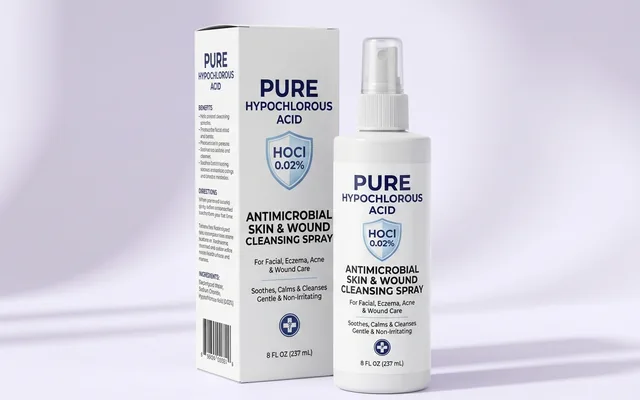
Gentle non-stinging antimicrobial Hypochlorous Acid spray to soothe infected pimples, perioral dermatitis, eczema flares, piercings, and minor wounds.
View Clinical Details →How to Use This Gel Correctly
Because you apply this medicine directly to your skin, following proper instructions is essential for safety and good results. Always follow your doctor's exact directions for use.
- Apply this medicine strictly to your outer skin. Never take it by mouth or apply it inside your body.
- Use only the exact dose prescribed by your doctor at the scheduled time.
- Spread the gel in a thin layer across your clean skin. Doctors usually recommend applying it to your shoulders, upper arms, or thighs.
- You do not need to rub or massage the gel forcefully into your skin.
- Wash your hands thoroughly with soap and water right after applying the gel.
- Allow the gel to dry for about five minutes before you put on your clothes.
- Keep away from open flames, sparks, or cigarette smoke until the gel dries completely because it contains alcohol and is flammable.
- Never apply this gel on your breasts, face, inside your vagina, or near mucous membranes.
Important Reminder: This medicine is prescribed specifically for you. Never share your prescription with a friend or family member, even if they experience similar menopausal symptoms.
What to Do If You Miss a Dose
If you forget to apply your gel, apply it as soon as you remember. However, if it is almost time for your next scheduled dose, skip the missed dose completely. Never apply a double dose to make up for a missed application.
What to Do in Case of Overdose
If you suspect you used too much of this medicine by accident, seek medical help right away. In the US or Canada, call 911 or contact your local poison control center. In the UK, call 999 or go to your nearest emergency department right away.
Medicines That May Interact With Estradiol Gel
Other drugs and supplements can interact with your estradiol gel and change how it works. Make sure to tell your doctor about every medicine you take, including herbal remedies, vitamins, and over-the-counter products.
| Drug Interaction Category | Examples and Clinical Guidance |
|---|---|
| Medicines to Avoid | Aromatase inhibitors used for cancer treatment, such as anastrozole, letrozole, and exemestane. |
| Medicines Requiring Caution | Certain tuberculosis antibiotics like rifampin, hormone modulators like tamoxifen or raloxifene, and blood thinners like warfarin. |
Possible Side Effects to Watch For
Like all medicines, estradiol gel can cause side effects. Some side effects are mild. This others require immediate medical attention.
| Side Effect Category | Signs, Symptoms, and Actions |
|---|---|
| Severe Allergic Reactions | Skin rash, itching, swelling of your face, lips, tongue, or throat. Get emergency medical help right away. |
| Blood Clot Signs | Pain, swelling, or warmth in your leg, sudden shortness of breath, or sharp chest pain. Call emergency services right away. |
| Stroke Symptoms | Sudden numbness or weakness in your face, arm, or leg, trouble speaking, confusion, dizziness, or a severe headache. Seek emergency care. |
| Breast Changes | New lumps, skin redness, persistent pain, or nipple discharge. Contact your doctor promptly for evaluation. |
| Liver Warning Signs | Upper right stomach pain, loss of appetite, nausea, dark urine, pale stools, or yellowing of your skin and eyes. |
| Unusual Vaginal Bleeding | Any unexpected vaginal bleeding after menopause, unusual discharge, or pelvic discomfort. Inform your doctor promptly. |
| Common Mild Effects | Mild bloating, breast tenderness, hair thinning, mild nausea, or stomach upset. Report these if they persist or bother you. |
When to Seek Emergency Medical Help
Call 911 (US/Canada), 999 (UK), or go to your nearest emergency department right away if you experience any of these red flag symptoms:
- Sudden crushing chest pain or pressure.
- Sudden severe headache, dizziness, or fainting spells.
- Sudden trouble speaking, seeing, or walking.
- Severe swelling, pain, or redness in one leg.
- Sudden shortness of breath or coughing up blood.
💡 Take-Home Message
Estradiol gel is an effective topical estrogen treatment designed to manage disruptive menopausal discomforts safely. Before starting treatment, discuss your complete health history openly with your doctor, especially regarding past blood clots, heart conditions, or cancer risks.
Always follow application instructions carefully, let the gel dry completely away from flames, and never apply it to your breasts or vaginal area. If you smoke cigarettes, especially if you are over 35, quitting is vital because smoking increases your risk of blood clots and strokes while using hormone therapy.
Stay vigilant for serious red flags such as chest pain, severe headaches, or unusual vaginal bleeding, and contact your doctor right away if they occur. Routine medical checkups help ensure your treatment supports your long-term health and well-being.


No comments yet. Be the first to share your question or experience below.