

Facing a cancer diagnosis for yourself or someone you love brings many new feelings and questions. When your doctor prescribes a medicine like Etoposide, it is completely normal to feel curious or even a bit nervous.
Cancer treatment is a major journey, and having a clear understanding of your medicine gives you extra strength every step of the way. Let us walk through what Etoposide is, how it works in your body, and what you need to know to stay safe.
Key Takeaways About Etoposide (VP-16)
- What it is: Etoposide is a powerful chemotherapy medicine designed to destroy fast-growing cancer cells in your body.
- How you receive it: Doctors give this medicine directly into your vein as an infusion at a hospital or clinic.
- Infection risk: The medicine lowers your immune system, making it vital to watch for fever and signs of infection.
- Family planning: Strict birth control rules apply for both men and women during and after treatment due to risks to unborn babies.
- Open communication: Always share your full health history and any new symptoms with your doctor right away.
Know your body mass index (BMI) and weight classification
What Kind of Medicine Is Etoposide (VP-16)?
Simply put, Etoposide is a type of chemotherapy medicine used to kill cancer cells. Think of it like a specialized defense force trained to hunt down and stop abnormal cells from multiplying.
This medicine targets fast-growing cells throughout your body. Because cancer cells grow and divide very quickly, Etoposide attacks them and helps stop the disease from spreading.
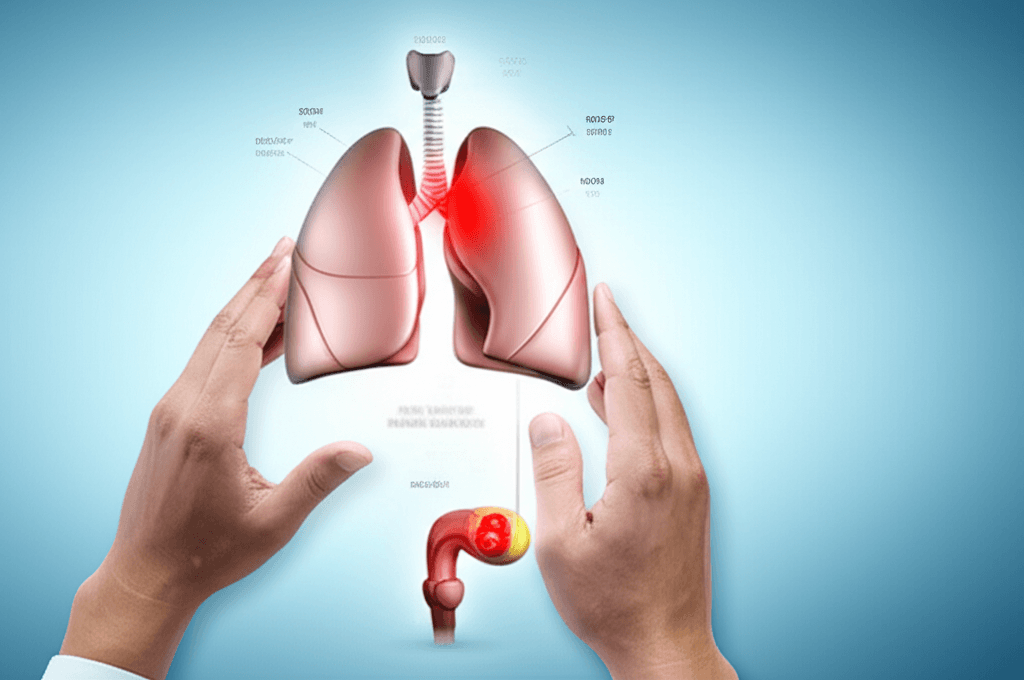
Doctors primarily prescribe this medicine to treat specific conditions like testicular cancer and lung cancer. In addition, your medical team may recommend it for other types of cancer depending on your unique health needs.
Important Things to Tell Your Doctor Before Starting Treatment
This step is very important for your safety. To make sure your doctor gives you the safest and most effective care, they need a complete picture of your health.
Before your treatment begins, you must tell your doctor right away if any of the following health situations apply to you:
- Current infections: If you currently have a fever, a cold, a cough, a sore throat, or body aches.
- Kidney problems: If you have any history of kidney disease or lower kidney function.
- Liver problems: If your liver is not working properly or if you have any liver disease.
- Blood cell counts: If past blood tests showed you have low white blood cells, red blood cells, or platelets.
- Allergies: If you have ever had an allergic reaction to Etoposide, any other medicines, foods, or dyes.
- Pregnancy: If you are pregnant, think you might be pregnant, or are trying to start a family.
- Breastfeeding: If you are currently nursing or breastfeeding your baby.
How You Receive This Medicine and Important Safety Rules
Medical staff give you Etoposide through a needle into your vein, much like getting regular intravenous fluids. You cannot take this medicine at home.
A trained doctor or nurse must give this treatment safely inside a specialized hospital or clinic setting.
What Happens If a Dose Is Missed?
Getting your medicine on schedule is crucial for successful cancer treatment. If you miss your scheduled appointment at the clinic for any reason, contact your doctor or treatment unit right away to reschedule.
What Happens If You Receive Too Much Medicine?
Because doctors give this medicine in a controlled hospital setting, accidental overdose is rare. However, if you ever feel that you received too much, tell your medical team right away.
If you experience unusual symptoms at home, go right away to the nearest hospital emergency department (ER). In the US or Canada, call 911. In the UK, call 999 or visit your local Accident and Emergency department.
Other Things That Can Interact With This Medicine
Certain medicines can interact with Etoposide and change how it works. For example, if you take a blood thinner like Warfarin, you must inform your doctor right away.
Always give your doctor a complete list of everything you take. This includes prescription drugs, over-the-counter medicines, vitamins, herbal supplements, and traditional remedies.
Mention whether you smoke or drink alcohol as well. Being honest helps your medical team protect your health and ensures your treatment works properly.
Important Care Guidelines During Your Treatment
During your treatment cycle, your body may feel tired or weak. This happens because chemotherapy affects healthy cells along with cancer cells.
Do not panic if you feel unwell, and never stop your treatment unless your doctor tells you to do so. Follow these daily care guidelines to protect your health:
- Protect yourself from infections: This medicine lowers your immune system, making it harder to fight off germs. If you develop a fever, chills, a sore throat, or a cough, call your doctor right away. Stay away from crowded places and avoid spending time around sick people.
- Watch for bleeding and bruising: Your blood may take longer to clot during treatment. You might bruise more easily after minor bumps. Watch for bleeding gums, nosebleeds, or unusual spots on your skin, and report them to your doctor.
- Follow strict reproductive health advice: This precaution is vital for both men and women.
- For women: Avoid getting pregnant during treatment and for at least six months after your final dose. This medicine can cause severe harm to an unborn baby. Do not breastfeed while taking Etoposide.
- For men: Use reliable barrier methods like condoms during sexual activity while on treatment and for at least four months after stopping. Even if you have had a vasectomy, this step remains necessary. If your partner becomes pregnant, notify your doctor right away. Avoid donating sperm during this time because the medicine affects sperm counts.
Possible Side Effects of Etoposide
Like most medicines, Etoposide can cause side effects. Not every patient experiences them, and some people only notice a few mild issues.
Knowing what to look for helps you get quick help when needed. Review the safety table below to understand common and serious side effects.
| Side Effect Category | What to Look For & Action Needed |
|---|---|
| 🚨 Severe Allergic Reaction | Skin rash, itching, swelling of your face, lips, or tongue, and sudden trouble breathing. Get emergency medical care right away. |
| 🚨 Signs of Infection | Fever, chills, severe sore throat, cough, or burning pain when you urinate. Call your doctor right away. |
| 🚨 Unusual Bleeding | Bleeding from small cuts that will not stop, unexplained bruising, or bleeding gums and nosebleeds. |
| 🚨 Low Blood Count (Anemia) | Extreme tiredness, lack of energy, dizziness, or shortness of breath during light daily tasks. |
| 🚨 Severe Skin Issues | Red skin, painful blisters, or peeling skin, including sores inside your mouth. |
| 🚨 Uncontrolled Nausea | Severe vomiting and nausea that standard anti-sickness medicines cannot control. |
| 🙂 Mild Side Effects | Loss of appetite, mild mouth sores, temporary hair loss, mild diarrhea, or changes in how food tastes. Tell your doctor if these become bothersome. |
This list does not cover every possible side effect. If you notice any other unusual or uncomfortable changes in your body, talk openly with your healthcare team.
When to Call Emergency Services Right away
If you develop a sudden high fever over 38°C (100.4°F), severe breathing difficulties, chest pain, or uncontrollable bleeding, call 911 (US/Canada), 999 (UK), or go to your nearest emergency room right away.
💡 Take-Home Message
Etoposide is a powerful medicine designed to fight cancer cells, given safely under expert supervision at a hospital clinic.
Before your treatment starts, share your complete medical history and a full list of all your medicines with your doctor.
During your care, watch closely for signs of infection like fever or unusual bleeding, and contact your medical team right away if they occur.
Follow all birth control guidelines carefully for both men and women to protect against pregnancy risks.
Having side effects is common, but you do not have to face them alone. Talk openly with your doctor about any discomfort so they can help you feel better.





No comments yet. Be the first to share your question or experience below.