
Should we get an eye exam? Why is this important for everyone?

Should we get an eye exam? Why is this important for everyone?

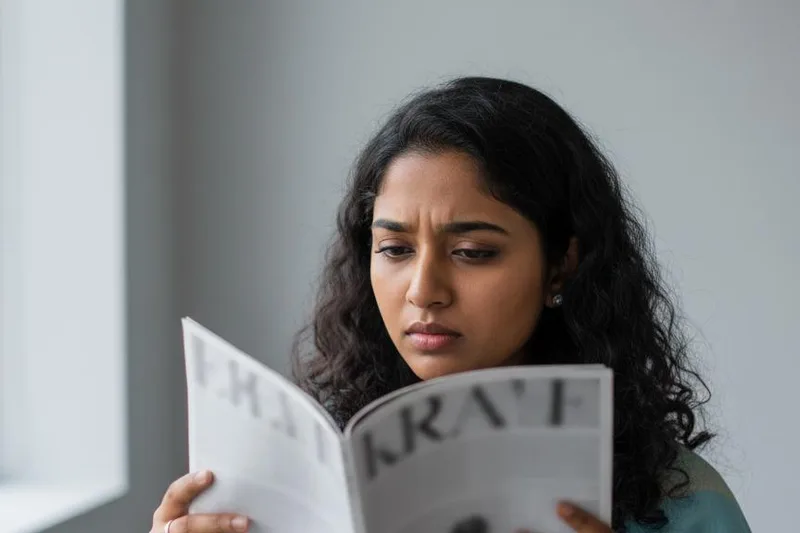
Do you sometimes find that the letters in a newspaper or book look a little blurry? Or do you have trouble seeing something that is far away, like a bus sign? Many people think that an eye exam is only necessary when they need to wear glasses. But that's not really the case. An eye exam is not just about checking the vision of our eyes, but also about the health of our eyes, just like an annual medical checkup.

What exactly is an eye exam?

Simply put, an eye exam is a procedure where an eye health professional checks your vision, hearing, and overall eye health. You won't feel any pain during this procedure. It's important for everyone, not just those who need glasses or contact lenses. It's especially important to get your eyes checked regularly if you have other medical conditions, like diabetes.

But not all eye exams are the same. Some are done for a specific purpose, while others are general exams. And there are different specialists who perform these exams.

What is the difference between eye examination specialists?

When we talk about eyes, professionals ask about three types. But we don't exactly know the difference between them. Let's get clear about that.

Expert type Qualifications and Role
Eye surgeons (Ophthalmologists) These are the most highly qualified eye doctors with a full medical degree (MD). They can diagnose and treat eye diseases, as well as perform surgeries like cataract removal. These specialists treat any serious eye condition.
Optometrists These are people with a specialized degree in optometry (OD). They can examine eyes to detect vision problems, prescribe glasses or contact lenses, and diagnose and treat certain eye diseases, such as glaucoma. But they do not perform surgery .
Opticians They don't examine your eyes. They help you choose the right eyeglass frame, adjust the lenses, and make sure they fit your face exactly, based on the prescription given by your doctor or optician.

What are the different occasions for eye exams?

Depending on the reason you are getting an eye exam, it can be divided into several types.

  • Routine/General exams: This is like an annual check-up for our body. People who do not have any specific symptoms or who wear glasses should have this exam at regular intervals .
  • Follow-up exam: This is a test done for a specific reason. For example, after an eye accident, after surgery, or if you have a long-term condition like diabetes or macular degeneration , you may need to have regular exams to see if the condition has affected your eyes.
  • Medical/Emergency exams: This type of exam is done if your vision is suddenly affected, for example, if you have an eye injury, if you suddenly lose your vision, or if you have a change in vision after a head injury.

What is actually looked at during a complete eye exam?

A complete eye exam is a collection of many parts. Let's talk about each one in simple terms. These parts of the exam can be divided into two main categories.

1. Checking the external appearance and function of the eye

This section mainly looks at how your eyes look from the outside and how they work.

  • Visual acuity: This measures how well you can see. Remember that board on the wall that had you reading smaller and smaller letters or symbols from top to bottom? That's what the Snellen chart is used for.
  • Visual fields: This test measures the range of your vision. Sometimes we may have blind spots in some areas of our vision without realizing it. This test can detect such things.
  • Eye Movement and Alignment: This test checks whether your eyes move smoothly in all directions without moving your head, and whether your eyes are in the same line. One eye is examined, and both eyes are examined together.
  • Conjunctiva and Ocular Adnexa: The thin, transparent membrane covering the white of the eye (conjunctiva) and the surrounding areas of the eye, such as the eyelids, tear ducts, and lymph nodes in front of the ears, are examined.
  • Pupil and iris: The pupil and iris, the colored part of the eye, are examined here. In particular, the pupil contracts when exposed to light and dilates in the dark (pupillary reflexes).
  • Intraocular pressure: This is the most important test to diagnose glaucoma . This test feels like a small breeze blowing into your eye. It is not painful or scary. It measures the pressure of the fluid inside the eye. High pressure can be a sign of glaucoma.

2. Slit Lamp Examination to look inside the eye

This is the most important part of the eye exam. A special instrument (slit lamp) is used to examine the delicate structures inside your eye. Before this is done, your doctor may put drops in your eye to dilate the pupil. This allows the doctor to see inside your eye better.

  • Cornea: This is like the glass at the front of our eye. We check it for scratches, wounds, etc.
  • Anterior chamber: The space between the lens and the cornea of ​​the eye. This test helps to see if the fluid in this space is flowing properly and if there is pressure.
  • Lens: The clarity of the lens of the eye is checked. This is used to determine if cataracts have formed.
  • Optic nerve: This is the nerve that carries messages from the eye to the brain. This is used to check for damage to this nerve and signs of glaucoma.
  • Retina: The light-sensitive membrane at the back of the eye. It's like the film in a camera. Diseases like diabetes and high blood pressure can damage the retina, so it's important to get this part checked.

Think about it, your eye is a small world. These tests can detect every little change that happens within that world. So never miss this.

Do you also look after your sanity?

This may not seem like an eye exam, but it is important in some cases. While talking to you, the doctor may ask you simple questions like, "What day is it today?", "Where are you now?", "What is your name?" This is because sometimes the symptoms you see in your eyes can be related to certain medical conditions in the brain. Therefore, it is also important to know if your consciousness is at a normal level.

Is there any special preparation required before the test?

A routine eye exam doesn't require much preparation, but it's a good idea to keep these things in mind:

  • Keep a list of all the medications and vitamins you take. Tell your doctor about any medications you think are unrelated to your eyes.
  • Bring your current glasses or contact lenses .
  • If you have any old eyeglass prescriptions, take them with you too.

What to expect after the test?

After the test, the doctor will explain the results to you. If you need glasses, they will give you a prescription for them.

Important: If your scrotum is dilated, you may experience some minor discomfort for a few hours after the procedure.

  • Your vision may become blurry when looking at nearby objects, such as your phone or a book.
  • Eyes can become blue when looking at sunlight or lights.

Therefore, it is a good idea to bring sunglasses with you when you go for the test. Also, if possible, it is safest to go with someone else or not drive a vehicle . Because your vision may be a little blurry, it may be difficult to drive a vehicle.

When should you see a doctor immediately?

If you notice any changes in your vision, especially if it's gradually getting worse, you should definitely see a doctor. But there are some cases where it's best not to delay.

Type of symptom Description
If you have these symptoms, see a doctor.
Gradual vision loss Difficulty reading a newspaper or book, not seeing colors clearly, headaches or eye strain at the end of the day.
Eye pain or redness If your eyes are constantly red or painful.
These are emergencies! Go to the hospital's Emergency Unit (ETU) immediately!
Sudden loss of vision Sudden complete or partial loss of vision in one or both eyes.
Looks like a black screen Feeling as if a black curtain is falling in front of the eyes.
Bright light A sudden bright light like lightning.

How often should you have your eyes checked?

In general, it's a good idea to get a complete eye exam at least once a year or two. Even if you have 20/20 vision, it's important to get one. This can help detect some conditions before they cause symptoms.

However, if you fall into the following categories, you should have your eyes checked more often. Talk to your doctor about this.

  • If you are over 60 years old .
  • If you have a medical condition like diabetes or high blood pressure.
  • If anyone in your family has had eye diseases like glaucoma .
  • If you wear glasses or contact lenses .
  • If you have had an eye accident or surgery before.

An eye exam is an investment in our overall health. It can protect not only our vision, but our very lives.

Take-Home Message

  • An eye exam is not just for those who need glasses. It's important for everyone.
  • This test can detect not only your vision, but also eye diseases like glaucoma and cataracts, and the effects of other diseases like diabetes and high blood pressure.
  • It is generally recommended to have your eyes checked every 1-2 years . If you have a medical condition like diabetes or a family history of eye disease, you should have your eyes checked more often.
  • If you experience sudden vision loss, black spots, or flashes of light , it is an emergency. Go to the nearest hospital Emergency Department (ETU) immediately.

Eye exam, Eye exam, Vision test, Ophthalmologist, Optometrist, Vision, Glasses, Glaucoma, Diabetes and Eyes

Frequently Asked Questions (FAQ)

Do you also look after your sanity?

This may not seem like an eye exam, but it is important in some cases. While talking to you, the doctor may ask you simple questions like, "What day is it today?", "Where are you now?", "What is your name?" This is because sometimes the symptoms you see in your eyes can be related to certain medical conditions in the brain. Therefore, it is also important to know if your consciousness is at a normal level.

⚠️ Important: The medical articles and information on Nirogi Lanka are for general awareness only, and are by no means a substitute for professional medical advice, diagnosis, or treatment. For any medical problem you have, consult a qualified physician immediately.

💬 Comments (0)

No comments yet. Be the first to share your thoughts here.

Add Your Comment

Please calculate: 4 + 1 =
Should we get an eye exam? Why is this important for everyone?

Should we get an eye exam? Why is this important for everyone?

Do you sometimes find that the letters in a newspaper or book look a little blurry? Or do you have trouble seeing something that is far away, like a bus sign? Many people think that an eye exam is only necessary when they need to wear glasses. But that's not really the case. An eye exam is not just about checking the vision of our eyes, but also about the health of our eyes, just like an annual medical checkup.

What exactly is an eye exam?

Simply put, an eye exam is a procedure where an eye health professional checks your vision, hearing, and overall eye health. You won't feel any pain during this procedure. It's important for everyone, not just those who need glasses or contact lenses. It's especially important to get your eyes checked regularly if you have other medical conditions, like diabetes.

But not all eye exams are the same. Some are done for a specific purpose, while others are general exams. And there are different specialists who perform these exams.

What is the difference between eye examination specialists?

When we talk about eyes, professionals ask about three types. But we don't exactly know the difference between them. Let's get clear about that.

Expert type Qualifications and Role
Eye surgeons (Ophthalmologists) These are the most highly qualified eye doctors with a full medical degree (MD). They can diagnose and treat eye diseases, as well as perform surgeries like cataract removal. These specialists treat any serious eye condition.
Optometrists These are people with a specialized degree in optometry (OD). They can examine eyes to detect vision problems, prescribe glasses or contact lenses, and diagnose and treat certain eye diseases, such as glaucoma. But they do not perform surgery .
Opticians They don't examine your eyes. They help you choose the right eyeglass frame, adjust the lenses, and make sure they fit your face exactly, based on the prescription given by your doctor or optician.

What are the different occasions for eye exams?

Depending on the reason you are getting an eye exam, it can be divided into several types.

  • Routine/General exams: This is like an annual check-up for our body. People who do not have any specific symptoms or who wear glasses should have this exam at regular intervals .
  • Follow-up exam: This is a test done for a specific reason. For example, after an eye accident, after surgery, or if you have a long-term condition like diabetes or macular degeneration , you may need to have regular exams to see if the condition has affected your eyes.
  • Medical/Emergency exams: This type of exam is done if your vision is suddenly affected, for example, if you have an eye injury, if you suddenly lose your vision, or if you have a change in vision after a head injury.

What is actually looked at during a complete eye exam?

A complete eye exam is a collection of many parts. Let's talk about each one in simple terms. These parts of the exam can be divided into two main categories.

1. Checking the external appearance and function of the eye

This section mainly looks at how your eyes look from the outside and how they work.

  • Visual acuity: This measures how well you can see. Remember that board on the wall that had you reading smaller and smaller letters or symbols from top to bottom? That's what the Snellen chart is used for.
  • Visual fields: This test measures the range of your vision. Sometimes we may have blind spots in some areas of our vision without realizing it. This test can detect such things.
  • Eye Movement and Alignment: This test checks whether your eyes move smoothly in all directions without moving your head, and whether your eyes are in the same line. One eye is examined, and both eyes are examined together.
  • Conjunctiva and Ocular Adnexa: The thin, transparent membrane covering the white of the eye (conjunctiva) and the surrounding areas of the eye, such as the eyelids, tear ducts, and lymph nodes in front of the ears, are examined.
  • Pupil and iris: The pupil and iris, the colored part of the eye, are examined here. In particular, the pupil contracts when exposed to light and dilates in the dark (pupillary reflexes).
  • Intraocular pressure: This is the most important test to diagnose glaucoma . This test feels like a small breeze blowing into your eye. It is not painful or scary. It measures the pressure of the fluid inside the eye. High pressure can be a sign of glaucoma.

2. Slit Lamp Examination to look inside the eye

This is the most important part of the eye exam. A special instrument (slit lamp) is used to examine the delicate structures inside your eye. Before this is done, your doctor may put drops in your eye to dilate the pupil. This allows the doctor to see inside your eye better.

  • Cornea: This is like the glass at the front of our eye. We check it for scratches, wounds, etc.
  • Anterior chamber: The space between the lens and the cornea of ​​the eye. This test helps to see if the fluid in this space is flowing properly and if there is pressure.
  • Lens: The clarity of the lens of the eye is checked. This is used to determine if cataracts have formed.
  • Optic nerve: This is the nerve that carries messages from the eye to the brain. This is used to check for damage to this nerve and signs of glaucoma.
  • Retina: The light-sensitive membrane at the back of the eye. It's like the film in a camera. Diseases like diabetes and high blood pressure can damage the retina, so it's important to get this part checked.

Think about it, your eye is a small world. These tests can detect every little change that happens within that world. So never miss this.

Do you also look after your sanity?

This may not seem like an eye exam, but it is important in some cases. While talking to you, the doctor may ask you simple questions like, "What day is it today?", "Where are you now?", "What is your name?" This is because sometimes the symptoms you see in your eyes can be related to certain medical conditions in the brain. Therefore, it is also important to know if your consciousness is at a normal level.

Is there any special preparation required before the test?

A routine eye exam doesn't require much preparation, but it's a good idea to keep these things in mind:

  • Keep a list of all the medications and vitamins you take. Tell your doctor about any medications you think are unrelated to your eyes.
  • Bring your current glasses or contact lenses .
  • If you have any old eyeglass prescriptions, take them with you too.

What to expect after the test?

After the test, the doctor will explain the results to you. If you need glasses, they will give you a prescription for them.

Important: If your scrotum is dilated, you may experience some minor discomfort for a few hours after the procedure.

  • Your vision may become blurry when looking at nearby objects, such as your phone or a book.
  • Eyes can become blue when looking at sunlight or lights.

Therefore, it is a good idea to bring sunglasses with you when you go for the test. Also, if possible, it is safest to go with someone else or not drive a vehicle . Because your vision may be a little blurry, it may be difficult to drive a vehicle.

When should you see a doctor immediately?

If you notice any changes in your vision, especially if it's gradually getting worse, you should definitely see a doctor. But there are some cases where it's best not to delay.

Type of symptom Description
If you have these symptoms, see a doctor.
Gradual vision loss Difficulty reading a newspaper or book, not seeing colors clearly, headaches or eye strain at the end of the day.
Eye pain or redness If your eyes are constantly red or painful.
These are emergencies! Go to the hospital's Emergency Unit (ETU) immediately!
Sudden loss of vision Sudden complete or partial loss of vision in one or both eyes.
Looks like a black screen Feeling as if a black curtain is falling in front of the eyes.
Bright light A sudden bright light like lightning.

How often should you have your eyes checked?

In general, it's a good idea to get a complete eye exam at least once a year or two. Even if you have 20/20 vision, it's important to get one. This can help detect some conditions before they cause symptoms.

However, if you fall into the following categories, you should have your eyes checked more often. Talk to your doctor about this.

  • If you are over 60 years old .
  • If you have a medical condition like diabetes or high blood pressure.
  • If anyone in your family has had eye diseases like glaucoma .
  • If you wear glasses or contact lenses .
  • If you have had an eye accident or surgery before.

An eye exam is an investment in our overall health. It can protect not only our vision, but our very lives.

Take-Home Message

  • An eye exam is not just for those who need glasses. It's important for everyone.
  • This test can detect not only your vision, but also eye diseases like glaucoma and cataracts, and the effects of other diseases like diabetes and high blood pressure.
  • It is generally recommended to have your eyes checked every 1-2 years . If you have a medical condition like diabetes or a family history of eye disease, you should have your eyes checked more often.
  • If you experience sudden vision loss, black spots, or flashes of light , it is an emergency. Go to the nearest hospital Emergency Department (ETU) immediately.

Eye exam, Eye exam, Vision test, Ophthalmologist, Optometrist, Vision, Glasses, Glaucoma, Diabetes and Eyes

Frequently Asked Questions (FAQ)

Do you also look after your sanity?

This may not seem like an eye exam, but it is important in some cases. While talking to you, the doctor may ask you simple questions like, "What day is it today?", "Where are you now?", "What is your name?" This is because sometimes the symptoms you see in your eyes can be related to certain medical conditions in the brain. Therefore, it is also important to know if your consciousness is at a normal level.

⚠️ Important: The medical articles and information on Nirogi Lanka are for general awareness only, and are by no means a substitute for professional medical advice, diagnosis, or treatment. For any medical problem you have, consult a qualified physician immediately.

💬 Comments (0)

No comments yet. Be the first to share your thoughts here.

Add Your Comment

Please calculate: 4 + 1 =