
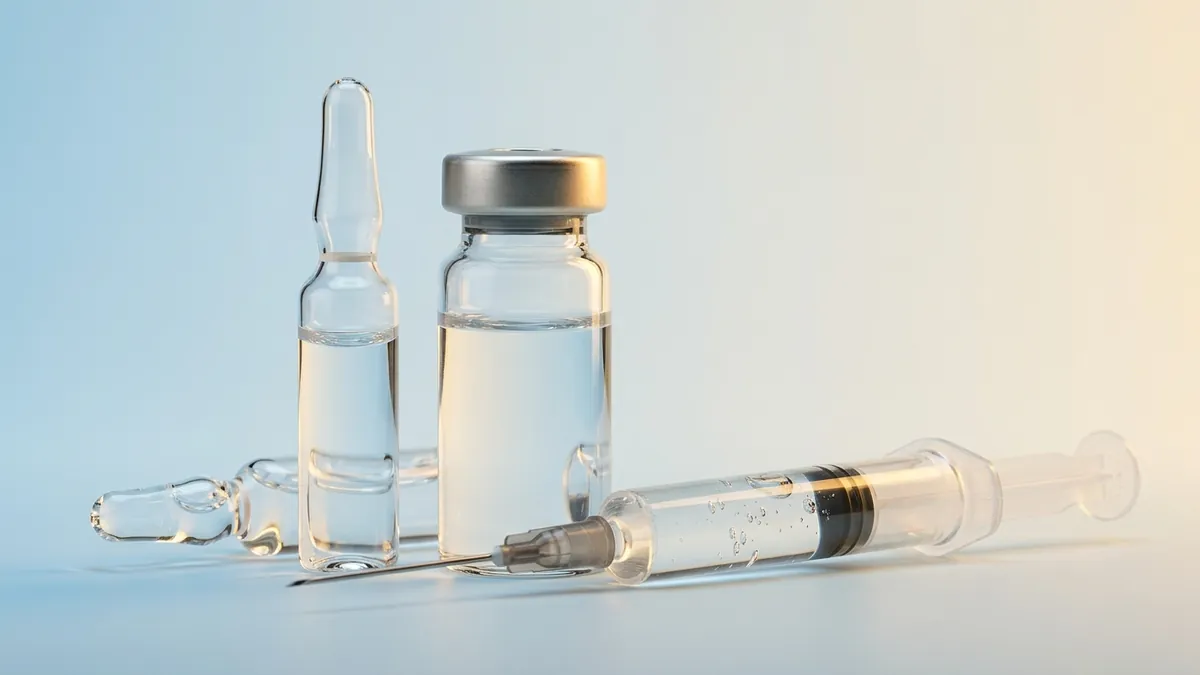
Have you or someone in your family been told by a doctor that you have a rare condition called Factor XIII deficiency? If so, you already know how hard it can even a small cut to stop bleeding. Today, we will talk about a very important medicine used to prevent bleeding in these exact situations. The brand name for this medicine is Corifact.
Simply put, our bodies have many natural proteins called factors that help blood clot when we get hurt. Factor XIII is one of these important proteins. When your body does not make enough of it, you have Factor XIII deficiency. This medicine gives your body the missing Factor XIII protein from the outside. It works just like adding water to a tank when the level gets too low.
Things to Tell Your Doctor Before Taking This Medicine
Before you start this treatment, giving your doctor a clear picture of your overall health is very important. Always share the following details:
- Tell your doctor if you have ever had any past problems with abnormal blood clots.
- Tell your doctor if you are allergic to this Factor XIII concentrate, human proteins, other medicines, foods, dyes, or preservatives.
- Let your doctor know right away if you are pregnant or if you are trying to get pregnant.
- Tell your doctor if you are currently breastfeeding your baby.
Key Takeaways for Your Safety:
- Factor XIII concentrate is a special injection used to prevent bleeding episodes.
- It is only given in a hospital or clinic by trained medical staff.
- Always share your allergy history and health status with your doctor before starting.
- Watch out for serious side effects like breathing trouble or chest pain and get help right away.
- Though made from human plasma, strict safety steps ensure high viral clearance.
Remember that your doctor decides the safest and best treatment plan based on the information you share. Never hide anything from your care team.
How Is This Medicine Used?
This is not a pill or syrup that you take at home. It is an injection given directly into a vein. Because of this, it is only given by a trained doctor or nurse in a hospital or clinic setting.
Can Children Receive This Medicine?
Yes, doctors sometimes give this medicine to children in selected cases. However, your pediatrician will make this important choice. Because treating children needs special care, talk closely with your child's doctor about all safety steps.
What Should You Do If You Take Too Much?
Because medical staff give this medicine in a hospital, getting too much is very unlikely. If you ever feel worried that a higher dose was given by mistake, call your local poison control center right away. In the US or Canada, call 911 or go to the nearest emergency room. In the UK, call 999 or go to your nearest A&E department.
What Happens If You Miss a Dose?
Keeping up with your regular treatment schedule is very important. If you cannot make it to the hospital on your scheduled day, call your doctor right away. They will tell you what steps to take next to keep your body protected.
Important Things to Watch Out For During Treatment
There is one key fact you should know about how doctors make this medicine. Manufacturers make this medicine using albumin, which comes from human blood plasma.
You might feel worried and ask, "Could this give me an infection from blood?" That is a very normal and fair question to ask.
However, companies make these medicines using very strict screening tests. They also use advanced virus removal and cleaning steps. So far, no infections have spread through this medicine. Even so, talk openly with your doctor about the risks and benefits so you feel confident and comfortable.
Your doctors and nurses will also watch your health closely while you receive this medicine.
Side Effects You Might Experience
Just like any medicine, this treatment can sometimes cause side effects. However, not everyone gets them. Some side effects are mild. This others need quick medical attention.
| Side Effect Type | Signs and Symptoms |
|---|---|
| Serious Side Effects to Report Right away |
|
| Mild Side Effects to Mention If They Continue |
|
If you notice any other unusual symptoms that are not on this list, tell your doctor right away.
When to Seek Emergency Help:
Call 911 (US/Canada) or 999 (UK) or go to the nearest emergency department right away if you experience severe allergic signs, sudden chest pain, trouble breathing, or severe dizziness during or after your infusion.
💡 Take-Home Message
- Factor XIII concentrate is a special injection given to prevent bleeding caused by Factor XIII deficiency.
- Medical professionals only give this treatment in a hospital or clinic setting.
- Before starting, tell your doctor about your allergies, other health conditions, and all current medicines.
- If you feel allergic signs, breathing trouble, or chest pain during treatment, seek medical help right away.
- Even though this medicine comes from human blood plasma, makers use strict safety steps to ensure purity. Talk to your doctor if you have any worries.






No comments yet. Be the first to share your question or experience below.