

It is very important for every woman who dreams of becoming a mother to have a good understanding of her body. When we talk about our reproductive system, we often talk about the uterus and ovaries. But many people do not have a great understanding of the 'fallopian tubes' that play a very important role in between. Perhaps you have heard this name from a doctor, or you may have heard it when talking about the tests that are done when it is too late to have a child. So, what exactly are these fallopian tubes? How crucial are they in the process of conceiving a child? We will talk about all this very simply today, in a way that you can understand.
Simply put, what are these fallopian tubes?
Imagine your reproductive system as a very busy city. The ovaries in this city are two factories that produce eggs. The uterus is the home where that egg, combined with a sperm, forms an embryo that grows safely for 9 months. So, there has to be a way from this factory to the home? That way, that bridge is the fallopian tubes .
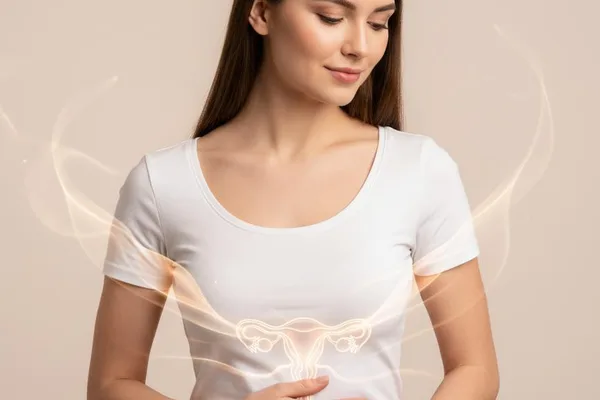
These are two small, muscular tubes that connect your ovaries and uterus, on either side of your uterus. These are not just any tubes. These fallopian tubes are the heroes of the process of conceiving a child.
Let's see how. The fallopian tubes perform three main functions:
1. The site where the egg is received: Every month, as part of your menstrual cycle, a mature egg is released from an ovary. At this time, tiny finger-like structures (called `fimbriae`) at the end of the fallopian tube near the ovary gently grab the egg and pull it into the tube. The egg then stays inside the tube until a sperm arrives.
2. Where fertilization occurs: When you and your partner have sex, sperm enters the uterus through the vagina, cervix, and fallopian tubes. When a sperm meets an egg waiting inside the tube, the miracle of fertilization occurs. This means that the first steps in a baby's life are not taken in the uterus, but in the fallopian tube.
3. The active pathway that carries the fertilized egg to the uterus: The embryo that forms when the egg and sperm join together doesn't just float into the uterus. The delicate muscles in the walls of the fallopian tube contract and tiny hairs (cilia) inside move, like a `conveyor belt`, and this embryo is carefully pushed towards the uterus over several days. It is only after it reaches the uterus that it implants itself in the uterine wall and begins to develop into a baby.
Now you understand that the fallopian tubes are not just two tubes, but how crucial an organ they are for having children? If one part of this journey goes wrong, it can be difficult to conceive a child.
Let's learn a little more about the structure and location of a fallopian tube.
Let's look at this organ a little more in depth.
Where are these located?
There are two fallopian tubes located at the top of your uterus, one on the right and one on the left. One end is connected to the uterus, and the other end opens near the ovary.
Parts of a fallopian tube
This tube is about 4-5 inches long. It has four main parts. From the ovary to the uterus, these parts are as follows:
- Infundibulum: The funnel-shaped part closest to the ovary. This is where the finger-like `fimbriae' that hold the egg are located.
- Ampulla: The longest and widest part of the tube. Fertilization usually occurs in this part.
- Isthmus: The narrow channel connecting the ampulla and the part closest to the uterus.
- Intramural/Interstitial portion: The end that extends through the uterine wall and opens into the uterine cavity. The fertilized embryo enters the uterus through this.
What are these made of?
The wall of the fallopian tube is mainly composed of two layers:
1. Mucous membrane: The thin membrane that lines the inside of the tube. It secretes a fluid that provides moisture and nourishment for fertilization and the early development of the embryo. It also has thousands of fine hairs (cilia) that propel the egg, sperm, and embryo toward the uterus.
2. Muscular layers: These muscular layers help move the contents of the tube toward the uterus by rhythmic contractions (peristalsis), much like the esophagus does when we swallow food.
Common problems and conditions that may occur with the fallopian tubes
Fallopian tube dysfunction is a major cause of infertility. About 20-30% of couples who are infertile are due to some kind of problem with the fallopian tubes. Let's take a look at some of these common problems.
| Medical condition | Simple explanation |
|---|---|
| Ectopic Pregnancy | A fertilized embryo implants and grows in the fallopian tube instead of the uterus. This is a very dangerous, even life-threatening emergency . The tube can rupture and cause severe internal bleeding. |
| Endometriosis | Tissue that should be in the inner wall of the uterus grows outside the uterus, in places like the fallopian tubes, ovaries, etc. This can cause blockages, scarring, and obstruction of the tubes, which can interfere with fertility. |
| Pelvic Inflammatory Disease (PID) | Untreated sexually transmitted diseases (e.g. chlamydia, gonorrhea) can cause inflammation and infection of the fallopian tubes and surrounding area (salpingitis). This can lead to scarring of the tubes, blockages, and an increased risk of ectopic pregnancy. |
| Hydrosalpinx | An old infection or surgery can cause the end of the tube to become blocked, filling it with fluid and causing the tube to swell. This can interfere with the movement of eggs and sperm through the tube. |
| Fibroids | Although these most commonly form in the uterus, they can sometimes form near the fallopian tubes and can compress and block the tubes. |
| Fallopian Tube Cancer | This is quite rare, but it has recently been discovered that some cancers previously diagnosed as ovarian cancer actually start in the fallopian tubes. |
Is it possible to get pregnant with one fallopian tube?
This is a question that many people have. The answer is, yes, it definitely is possible!
A person may be born with only one fallopian tube. Or, for example, an ectopic pregnancy, one tube may have been surgically removed. If you have at least one healthy fallopian tube and its associated ovary , and your menstrual cycle is regular, you have a good chance of conceiving a baby.
Also, even for those who have had both fallopian tubes removed or blocked, there are ways to have a child with the advancement of technology today. In Vitro Fertilization (IVF) is the best solution for such people. In this method, eggs and sperm are fertilized outside the body and the resulting embryo is implanted directly into the uterus, eliminating the need for the fallopian tubes.
Ways to check the health of your fallopian tubes
If you're having trouble conceiving, your doctor may suggest checking your fallopian tubes for blockages. There are several main tests used to do this.
| Name of the test | Simply put, what happens with this? |
|---|---|
| Hysterosalpingogram (HSG) | An X-ray test. A special liquid (dye) is passed through the cervix into the uterus and fallopian tubes, and X-ray pictures are taken. If the tubes are not blocked, this liquid can be seen flowing through the tubes and into the abdominal cavity. If the tubes are blocked, the liquid does not move beyond that point. |
| Saline-infusion sonography (SIS) | An ultrasound scan. This involves inserting saline solution into the uterus and using the scan to get an idea of the inside of the uterus and the patency of the fallopian tubes. |
| Laparoscopy | This is a minor surgery. After anesthesia, a small incision is made in the abdomen, and a small instrument with a camera is inserted to visually examine the fallopian tubes, uterus, and ovaries. This is the best way to check for problems like blocked tubes and endometriosis. If necessary, small stitches can be removed at the same time. |
Treatment for fallopian tube problems
Treatment methods vary depending on the problem identified.
- Tubal Cannulation: During an HSG test, a thin wire is used to try to open a small blockage at the end of the tube closest to the uterus.
- Laparoscopic Surgery: During laparoscopy, adhesions around the fallopian tubes can be removed, endometriosis deposits can be removed, or a blocked fallopian tube can be opened (`Salpingostomy`) or removed (`Salpingectomy`) in the case of Hydrosalpinx.
- Tubal Ligation Reversal: If a woman who has previously had a tubal ligation for birth control wants to have another child, she can try to reconnect the two cut tubes through surgery. However, this is not 100% successful.
- In Vitro Fertilization (IVF): If the tubes are severely damaged or surgery is ineffective, IVF technology is the best solution.
Things we can do to keep the fallopian tubes healthy
While we can't control some conditions, like endometriosis, there are things we can do to protect our fallopian tubes from infection. The leading cause of tubal damage is pelvic inflammatory disease (PID), which is caused by untreated sexually transmitted infections (STIs) .
Therefore, protecting yourself from sexually transmitted diseases by practicing safe sex (e.g., using a condom) and having sex with only one trusted partner is the best thing you can do to maintain the health of your fallopian tubes.
If you have symptoms like abnormal vaginal discharge, lower abdominal pain, or pain during sex, don't be shy or delay, and see a doctor right away . Early treatment can prevent permanent damage to the tubes from conditions like PID.
Take-Home Message
- The fallopian tubes are a vital bridge that carries eggs from the ovaries to the uterus, where fertilization occurs. Keeping them healthy is essential for natural conception.
- Blocked or damaged fallopian tubes are a major cause of infertility.
- Ectopic Pregnancy is a medical emergency that can occur in the fallopian tubes and can even be life-threatening.
- Avoiding sexually transmitted infections (STIs) by practicing safe sex is the best way to protect yourself from fallopian tube infections.
- If you are having a delay in conceiving or suspect a problem with your fallopian tubes, it is very important to talk to your doctor and seek the necessary tests and treatment.
- Even if the fallopian tubes have been damaged, today there is an opportunity to realize the dream of motherhood through modern technologies such as IVF.




💬 Comments (0)
No comments yet. Be the first to share your thoughts here.
Add Your Comment