
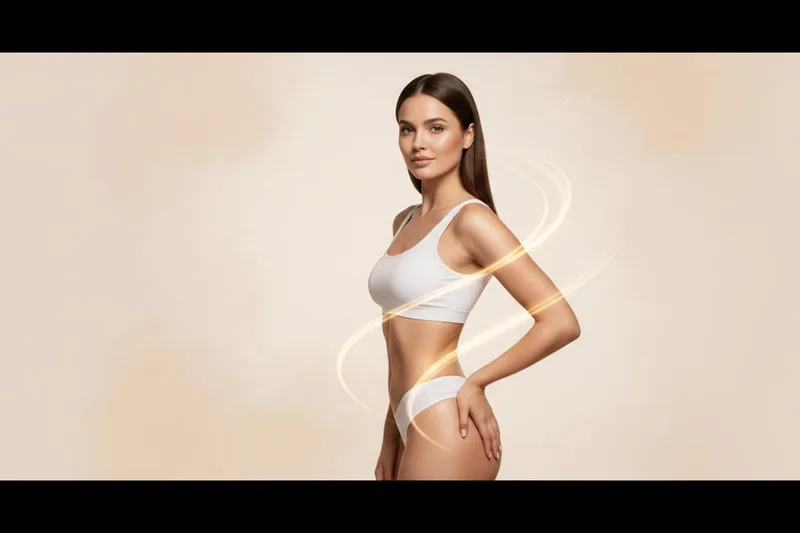
Have you ever thought, "Oh, how nice it would be if I could take this unwanted fat from my stomach and fill in the wrinkles on my face?" Or if I could use this fat to shape my hips a little more. It's not really a dream. With the advancement of modern medicine, it is possible to use your own body fat to shape and plump up the areas you want. Today we are talking about that wonderful method, which is Fat Transfer .
Simply put, what is Fat Transfer?
Fat Transfer is the process of taking fat from one part of your body (usually an area with excess fat), cleaning it, and injecting it into another part of your body. This is done by a plastic surgeon. It's like using your own resources to make yourself more beautiful.
This procedure is also known by several other names. Your doctor may use these names:
- Autologous fat transfer ('Autologous' means something taken from your own body)
- Fat grafting
- Fat injections
- Lipofilling
All of these mean the same thing, so don't be alarmed if you hear these names.
Where do you get this oil and where do you put it?
The doctor usually takes fat from areas of your body where you have excess fat and where you don't like it. The fat is then purified and injected into the desired area.
| Common places to get fat | Common fat injection sites |
|---|---|
|
|
What are the real benefits of this method?
Fat Transfer can help you achieve a natural, youthful appearance. It is especially helpful for:
- Reducing facial wrinkles: Fine lines and wrinkles that develop under the eyes and around the mouth over time can be filled in, giving the face a fresh look.
- Body shaping: You can create a beautiful hourglass shape by changing the ratio between your hips and waist.
- Cheek enhancement: Flat cheeks can be plumped up and cheekbones can be highlighted.
- Scar removal: This method is used to fill deep scars caused by certain accidents or acne.
- Younger-looking hands: This can also help reduce the appearance of thin skin and visible veins on the hands as you age.
- Breast reconstruction: This procedure is also used to partially reconstruct a breast after it has been removed due to cancer.
But remember this: Fat Transfer is not a weight loss surgery. It simply takes fat from one area and puts it in another. So don't expect a big change in your weight.
Who is this fat transfer surgery best suited for?
If you are considering this surgery, these factors are important to consider to see if you are a good fit for it.
- Your weight: You should stay close to your ideal weight.
- Good health: It is important to be in good health, free from uncontrolled diseases such as diabetes and heart disease.
- Smoking: If you are a smoker, you should completely abstain from smoking for a period of time before and after surgery, as smoking greatly interferes with the healing process.
- Sufficient fat: There should be enough fat available for the body to absorb. Especially if fat is needed for a large area like the breasts or buttocks, it should be possible to obtain that amount.
- Realistic expectations: This will give you a natural look. Don't expect dramatic changes overnight. Be realistic about the results you will get.
How is the surgery performed and what happens afterwards?
It is important for you to have a little idea about this process.
Preparation before surgery
Your doctor will give you specific instructions, including stopping painkillers (such as aspirin and ibuprofen) and some herbal supplements for a while. They will also tell you to drink plenty of water and avoid smoking.
During surgery
This surgery is usually done under local anesthesia . This means you are conscious, but the area being operated on is numbed so you don't feel any pain. However, if a large area is being operated on, or if it is being done at the same time as other surgeries, you may be put under general anesthesia.
The surgery can take anywhere from one to four hours, depending on what you're having done.
The three main steps are:
1. Fat removal: Liposuction is a procedure that removes fat from areas such as your stomach and thighs.
2. Fat purification: The extracted fat is purified using a special method to separate only the good fat cells.
3. Fat injection: The purified fat is carefully injected into the desired area in the form of very small droplets.
After the surgery
After surgery, it is normal to experience some bruising, swelling, and pain at both the fat removal and injection sites. These will subside within a few days. You may be asked to wear a special compression garment. This will help control swelling and speed up healing.
It takes about 6 months for the results to be permanent. This is because it takes time for the injected fat cells to form new blood vessels and become stable in place. Sometimes, some of the injected fat cells do not survive, so another session may be needed to achieve the desired fullness.
What are the risks and benefits of this?
Like any surgery, this one has some risks. It also has many benefits. Having it done under the supervision of an experienced, skilled plastic surgeon can greatly reduce the risks.
| Benefits | Risks |
|---|---|
|
|
| If these symptoms occur, call your doctor immediately. | |
| |
Recovery time varies depending on where you had the surgery. You can usually return to your normal activities within a week or two. However, it can take several months for the swelling to go down completely and for the final results to be seen. So it's important to be patient.
Take-Home Message
- Fat Transfer is a safe method of taking fat from one part of your own body and injecting it into another part to improve shape and appearance.
- This gives a very natural look and reduces the risk of allergies because no external substances are introduced.
- This is not weight loss surgery. Keep that in mind.
- This is best suited for someone who is in good health, does not smoke, and has realistic expectations.
- It takes several months to see the final results, so it's important to be patient.
- If you have any further questions about this, the best thing to do is to see an experienced plastic surgeon and talk to your doctor .


💬 Comments (0)
No comments yet. Be the first to share your thoughts here.
Add Your Comment