

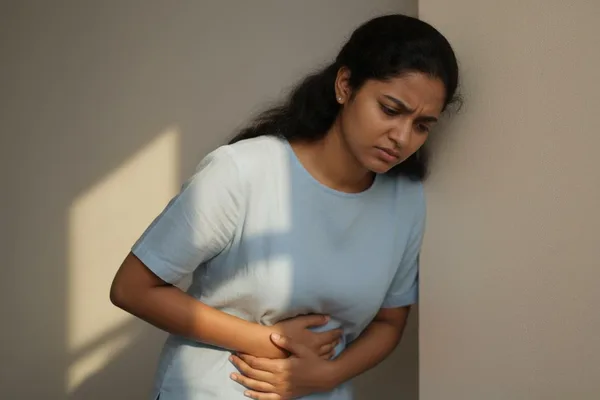
Imagine you had a good night's sleep, ate and drank deliciously, but suddenly woke up in the morning with a stomach ache. You feel like running to the bathroom, or you feel like throwing up. You feel like you're not feeling well. You've probably had this experience too, right? Most of the time, this is due to the food we're going to talk about, or the condition called Food Poisoning. Don't worry, let's talk about this simply.
What are the symptoms of food poisoning?
A food poisoning is simply something that happens when we eat or drink something that contains germs or other toxins. Our bodies are very smart about it, and they try to get rid of these unwanted substances. Vomiting and diarrhea (passing stool) are the two main ways the body gets rid of these toxins. Although this is very uncomfortable for the body, it is actually the body's attempt to make you healthy again.
Common symptoms that can be seen are:
- Diarrhea (stomach ache)
- Vomiting
- Stomach ache and vomiting
- Headache
- Lifeless body
- Sometimes fever
These symptoms usually start between two and six hours after eating the contaminated food. However, this can vary depending on the type of germ that has entered the body. Some germs take a little longer to develop. The best thing is that this illness goes away as quickly as it comes. Most of the time, the symptoms subside within 12 to 48 hours . Although it can feel like a lot of pain at the time, it usually gets better in about two days.
Why do we get food poisoning? What are the causes?
The main cause of food spoilage is bacteria . These bacteria can grow in food due to small mistakes made during food preparation and storage. Think about things like:
- The ingredients used to make the food are not new .
- Using things like vegetables and fruits without washing them thoroughly .
- The place where food is prepared, the utensils, and the hands of the person preparing the food are not clean .
- Not cooking meat and fish until they are thoroughly cooked inside .
- Leaving leftover food out after cooking instead of immediately putting it in the fridge .
Not only bacteria, but also viruses , parasites, and fungi can cause food to spoil. These can be transmitted through the water we drink, the environment where vegetables are grown, or even if someone who is sick touches the food.
The main types of germs that affect food spoilage
There are over 250 types of germs that can cause food poisoning. Among them, let's learn about some of the most common and well-known types that are also common in our country.
| Name of the germ | Where is it most common? | Important points |
|---|---|---|
| Salmonella | Raw eggs, like undercooked chicken. | This is the most common type in the world and can be severe enough to require hospitalization. |
| E. coli | Undercooked meat (especially beef), raw vegetables. | Some strains of E. coli produce substances that are toxic to our intestines. |
| Listeria | Some types of cheese, sausages, and cured meats. | This can be especially dangerous for pregnant mothers . |
| Norovirus | Undercooked seafood such as oysters, raw vegetables. | This is a major cause of a condition called stomach flu. It can be easily spread from someone who has the disease. |
| Hepatitis A | Dirty water, seafood like shellfish. | This virus can damage our liver. |
| Shigella | Salads with mayonnaise (such as tuna, potato, chicken salad). | When this occurs, the diarrhea may be accompanied by blood or mucus. |
Is this disease contagious?
Yes, many germs that cause food poisoning can be transmitted from person to person .
If a sick person doesn't wash their hands properly after vomiting or using the toilet, the germs can remain on their hands, doorknobs, and faucets. Another person who touches those surfaces can pick up the germs. That's why these diseases spread so quickly in schools and dormitories. Personal hygiene, especially hand washing, is very important .
Who is at higher risk of food poisoning?
Anyone can get food poisoning. But some people are more likely to get it, and if they do, it can be more severe. The reason for this is that their immune system is weak . Simply put, these are people whose immune system is a little weaker.
Let's see who is more at risk:
- Young children under 5 years old: Their immune systems are not yet fully developed.
- People over 65 years of age: Immunity naturally decreases as we age.
- Pregnant mothers: During pregnancy, there are changes in the body's immune system, making them more susceptible to illness.
- People with chronic illnesses: People with illnesses like diabetes, cancer, and kidney disease have weak immune systems.
- People taking certain medications: People taking immunosuppressants are also at increased risk.
Are there any complications to be afraid of?
Most of the time, digestion improves within a couple of days, but in rare cases, serious complications can occur. The most common and most common complication is severe dehydration . As vomiting and diarrhea continue, large amounts of water and salts are lost from the body. This is the biggest risk.
Other serious (but rare) complications:
- Miscarriages: If a pregnant mother is infected with Listeria, it can harm the baby in the womb.
- Kidney damage: Some dangerous strains of E. coli can lead to kidney failure.
- Arthritis: Bacteria like Salmonella can cause joint inflammation later on.
- Damage to the brain and nervous system: Some germs can cause serious conditions such as meningitis.
When do you need to see a doctor?
Although this condition can usually be managed at home, in some cases it is essential to seek immediate medical advice . If you have the following symptoms, be sure to see your doctor. If it is severe, go to the Emergency Department (ETU) of the nearest hospital.
| Occasion / Symptom | Description |
|---|---|
| Those who need special care | |
| Risk groups | If you are pregnant, have a child under 5 years old , or are over 65 years old and have these symptoms, see a doctor immediately. There is a high risk of dehydration. |
| Warning Signs | |
| High fever | If the fever is higher than 102°F (38.9°C) and persists. |
| Bleeding | If there is blood coming out with vomiting or diarrhea. |
| Symptoms of dehydration | Very low urine output, dark yellow/brown urine, dry mouth and lips, extreme dizziness. |
| Other severe symptoms | Blurred vision, difficulty speaking, loss of consciousness. |
What treatments can be done at home?
The most important thing is to replenish the lost water in the body.
- Keep drinking water and fluids . Don't drink too much at once, as this can cause vomiting.
- It is very good to drink Oral Rehydration Salts (ORS) dissolved in water, which you can buy at the pharmacy. It will replenish the salts your body needs.
- When you feel a little better, try eating some light, non-oily foods like bananas, rice porridge, and bread .
- Stop eating milk and dairy products, oily foods, and spicy foods for a few days.
- The most important thing is to rest well .
Remember, do not take antidiarrheal medications without your doctor's advice. Diarrhea is the body's way of expelling germs. If you stop it, it may delay your recovery.
How do you avoid food poisoning?
Food poisoning is something we can easily prevent. It just requires a little care when preparing and eating food. Remember these four simple steps.
| Method | What to do |
|---|---|
| Cleaning (Clean) | Wash your hands thoroughly with soap and water before preparing and eating food. Wash vegetables and fruits thoroughly with water. Keep food preparation areas (counters, cutting boards) and dishes clean. |
| Separate | Keep raw meat, fish, and eggs away from other foods (especially salads and cooked foods). It's best to use two separate cutting boards, one for meat and one for vegetables. |
| Cook well | Cook foods like meat, fish, and eggs until they are thoroughly cooked through . They need to be hot enough to kill germs. |
| Chill | Put leftover food in the fridge within two hours of cooking. Leaving it out in the open encourages bacteria to grow. Don't forget to check the expiration date on the food in the fridge. |
Take-Home Message
- Food poisoning is usually not serious and usually resolves within a day or two.
- The most important thing to do at this time is to rest and drink plenty of fluids (water, tea) .
- Thinking about food safety (cleaning, separating, cooking thoroughly, and refrigeration) is the best way to avoid this.
- If you have a high fever, bleeding, or signs of dehydration , see your doctor without delay .




💬 Comments (0)
No comments yet. Be the first to share your thoughts here.
Add Your Comment