
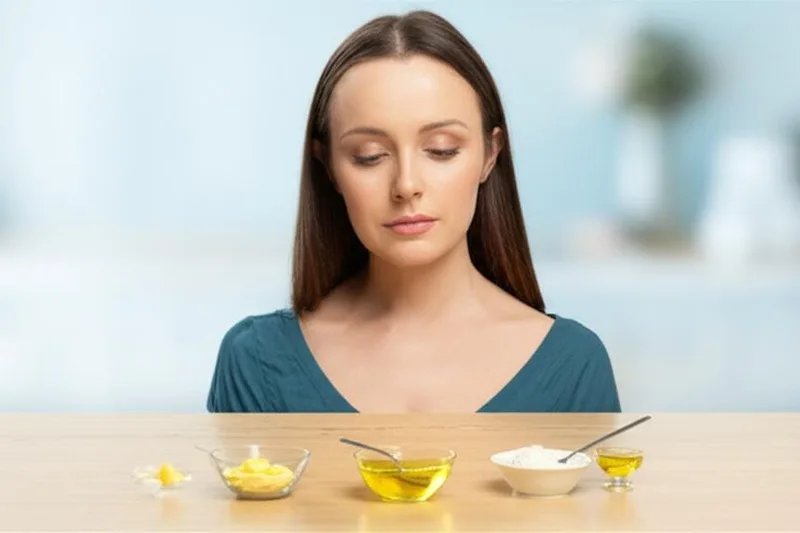
When we hear the word "fat" or "oil," many of us get a little scared, don't we? "Oh, eating fat is not good, it makes you fat, and it increases cholesterol," is what comes to our mind. But you know, that story is not entirely true. In fact, fat is essential for our bodies to function properly. We need fat to keep our skin healthy, protect our organs, and for the functioning of our endocrine system. But the problem is, not all types of fat are equally good.
There are four types of fat... What are these?
Simply put, there are four main types of fats in the foods we eat. Let's take a look at what they are.
- Monounsaturated fats
- Polyunsaturated fats
- Saturated fats
- Trans fats
Don't be alarmed by these names. It's very simple. There are slight differences in the chemical structure of these types of fats. Think about it, saturated fats are the kind that are solid at room temperature, slightly curdled. For example, things like butter, lard, and coconut oil. On the other hand , unsaturated fats are the kind that are liquid at room temperature. Things like olive oil and canola oil.
The first two types of these, namely unsaturated fats, are very good for our bodies. But the last two types, namely saturated fats and trans fats, are what we call "bad fats." Eating too much of these is harmful to our health.
Why should we be so afraid of saturated fat?
The main reason for this is that saturated fat raises the level of "bad cholesterol" in our bodies. You may have heard of `LDL` cholesterol. That's what it is.
When the level of `LDL` cholesterol increases in the body, something very dangerous happens. This bad cholesterol is deposited in the form of `plaque` on the walls of our blood vessels, especially the arteries that carry blood to the heart. It is like rust forming inside a water pipe. Because of these plaques, the blood flow gradually becomes narrower.
Imagine, what happens if a clot forms inside a blood vessel and blocks the flow? The heart doesn't get the blood it needs. That's when heart attacks occur.
Sometimes these pieces of blood can break off and travel through the bloodstream, becoming lodged in a small blood vessel in the brain. This is when conditions like strokes occur.
Trans fats are even worse. They not only increase LDL (bad) cholesterol, but also lower HDL (good) cholesterol, which is good for our bodies. This is why many countries have passed laws to eliminate artificial trans fats from foods.
Therefore, doctors recommend that less than 10% of our total daily calories come from saturated fat. It is wise to replace saturated fat with unsaturated fats (such as olive oil and nuts) as much as possible.
Foods high in saturated fat and their healthy alternatives
Okay, so let's take a look at what foods are high in saturated fat, which foods we should limit, and what good alternatives we can choose instead. I've put these in a table to make them easier to understand.
| Avoid or Limit These | Choose These Instead |
|---|---|
| Fatty meats: The fatty parts of beef and pork. | Low-fat meats: Cut off any visible fat from the meat and cook it. |
| Chicken skin: The skin contains the most fat in chicken. | Skinless chicken: Remove the skin completely before cooking. |
| Heavy Cream and Butter: High-fat cream and butter made from milk. | Skim Milk and Olive Oil: Use skim milk instead of cream in your coffee. Use a vegetable oil like olive oil in cooking instead of butter. |
| Sausages and bacon: These contain high amounts of saturated fat and salt. | Sausages made from turkey meat: These are relatively low in fat. Or, opt for an alternative like fish. |
| Cheese types: Especially soft, creamy cheeses. | Low-fat cheeses: Choose low-fat cheeses such as cottage cheese. |
| Bakery products: Butter and margarine are used extensively in things like patties, rolls, and pastries. | Healthy homemade alternatives: If you're making these at home, use less butter and more vegetables. |
| Packaged snacks: Store-bought potato chips, deep-fried items like pretzels. | Baked snacks: Baked potato slices at home in the oven. Or eat some nuts (not roasted) like chickpeas and cashews. |
| Fast Food: Foods like French fries and pizza. | Homemade options: Add low-fat cheese and lots of vegetables to your homemade pizza. Bake potatoes in the oven and make them like fries. |
| Ice cream and milkshakes: These contain a lot of fat, cream, and sugar. | Yogurt and fruit: When you feel like eating ice cream, eat yogurt with fruit. Or choose low-fat ice cream or sorbet. |
| Heavy sauces: Things like mayonnaise and cream dressings for salads. | Simple sauces: Season the salad with lemon juice, a little olive oil, and a pinch of pepper. You can also make a delicious dressing using yogurt. |
As you can see from this table, we don't have to stop eating altogether. The important thing is to make smart choices. By cooking at home instead of eating out, we can control the ingredients we use. If you have any questions or concerns about your diet, never hesitate to talk to your family doctor . He or she can give you the best advice for your health.
Take-Home Message
- Not all fats are bad. Unsaturated fats (olive oil, nuts, fish) are essential for our bodies.
- We need to limit saturated fat and trans fat. These are found in butter, fatty meats, baked goods, and fast food.
- Consuming too much saturated fat increases the level of bad cholesterol (LDL) in the blood and increases the risk of heart attack and stroke.
- By preparing meals at home rather than buying food from the store, you can control the amount of fat you eat.
- Small changes can have big results. Start with simple things like removing the skin from meat or using olive oil instead of butter.
- If you have concerns about your diet or cholesterol levels, be sure to consult your doctor.


💬 Comments (0)
No comments yet. Be the first to share your thoughts here.
Add Your Comment