What is G-CSF (Granulocyte-Colony Stimulating Factor)? Why is it important in cancer treatment?

What is G-CSF (Granulocyte-Colony Stimulating Factor)? Why is it important in cancer treatment?

You may have seen someone in your family, a relative or a friend undergoing treatment for cancer. You must have heard about the treatment called "Chemotherapy" when undergoing such treatment. You probably also know that during this chemo treatment, the number of white blood cells that fight diseases in the body decreases. In such a situation, in this article, we are going to talk about a special medicine that doctors use to help our body's defense system. That is G-CSF.

What exactly is G-CSF?

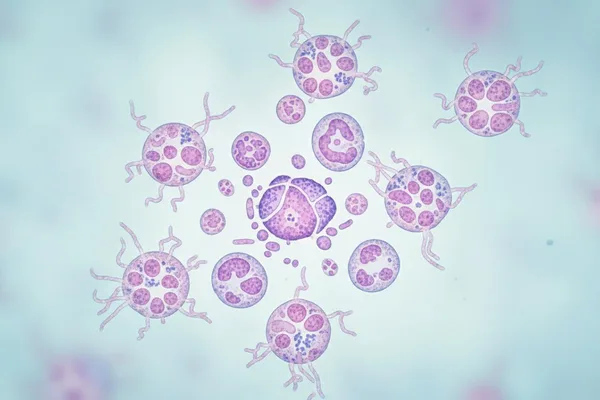
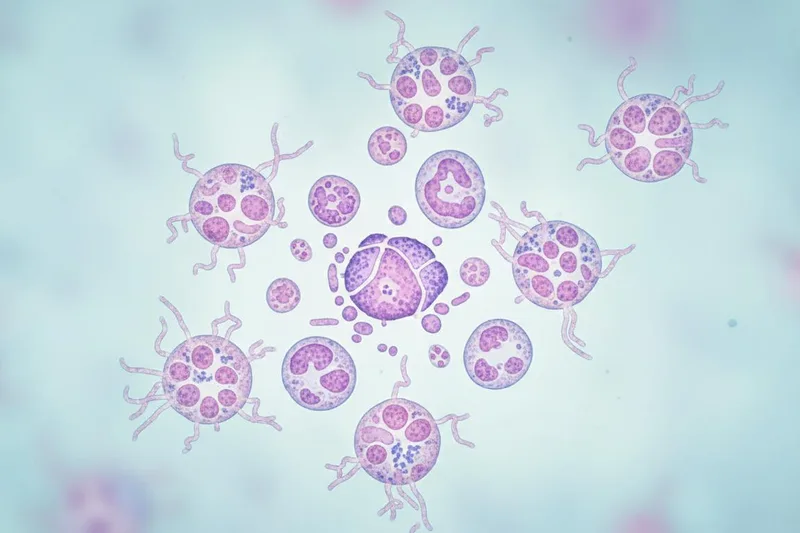
Simply put, G-CSF is a drug that helps our body make more white blood cells , especially a type called "neutrophils."

Imagine that our body is like a country. Then these neutrophils are like the soldiers in that country. It is these soldiers called neutrophils that fight against external germs, that is, enemies like bacteria and viruses, and protect us from diseases and infections. So what happens if these soldiers decrease? Our country, that is, our body, becomes easily susceptible to diseases.

Although the name G-CSF may seem a bit complicated, if we break down its meaning, it is very simple.

  • Granulocyte: This is the name given to a type of white blood cell. Neutrophils are also a type of granulocyte.
  • Colony-Stimulating Factor: This is something that "orders" or "stimulates" cells. Like a factory manager assigning tasks to workers, this protein goes to our bone marrow and says, "Okay, start making neutrophils now."

So what this drug called G-CSF does is it goes to the bone marrow , which is the sponge-like part inside our bones, and it tells the stem cells there, "You guys should quickly become neutrophils, and the neutrophils that are there should divide and multiply." Then these newly formed neutrophil soldiers join the blood and start working to protect us.

The important thing is that, although G-CSF is a synthetic drug, it mimics the process of a protein naturally produced in our body.

In what situations is G-CSF used?

G-CSF is mainly used to treat and prevent a condition called "neutropenia." Neutropenia is simply a lower than normal number of neutrophils in the blood.

In cancer treatment (Chemotherapy)

Chemotherapy drugs used in cancer treatment are designed to kill rapidly dividing cancer cells. However, these drugs cannot recognize not only cancer cells, but also healthy cells that divide rapidly in our body. So, since neutrophils, which are produced in the bone marrow, are also a type of rapidly dividing cell, they are also damaged by chemo drugs.

This is like spraying herbicide to get rid of weeds, but it also damages good plants.

This is why neutropenia is very common after chemotherapy. If this condition becomes severe, even a minor infection can be life-threatening. In such cases, doctors recommend G-CSF to reduce the risk of infection and restore the body's defenses.

In a stem cell transplant

In some types of cancer and blood disorders, a stem cell transplant is required. G-CSF is used before and after this procedure.

  • Before the transplant: When the patient is given G-CSF, the bone marrow produces a large number of stem cells and releases them into the blood. Doctors then collect those healthy stem cells from the blood.
  • During the transplant: Next, high-dose chemotherapy or radiation therapy destroys any remaining abnormal cells in the body.
  • After the transplant: Finally, the previously collected healthy stem cells are reintroduced into the body. These cells will later become new, healthy blood cells.

If you are a stem cell donor, you may also need to receive a G-CSF injection before the procedure.

Other conditions that cause low neutrophils

Neutrophil levels can also be low due to certain conditions that are present at birth (severe congenital neutropenia) or in cases where the cause is unknown (idiopathic neutropenia). In such cases, G-CSF is used to increase neutrophil levels.

Types of G-CSF and how they are given

G-CSF is available on the market under various names. The two most commonly used types are:

1. Filgrastim: This is a short-acting type. It usually needs to be given as a daily injection.

2. Pegfilgrastim: This is a long-acting form of the drug, so it is often sufficient to receive just one injection between two rounds of chemotherapy.

These drugs are available under various brand names and biosimilars. For example, your doctor may be able to tell you about names like Neupogen®, Neulasta®, Nivestym®, and Zarxio®.

Type of G-CSF Number of times given (usually)
Filgrastim (short-term) Daily (several days or weeks)
Pegfilgrastim (long-term) Once per chemo cycle

How is this medicine administered to the body?

G-CSF is usually given as a subcutaneous injection , but in some cases it can also be given as an IV infusion .

  • You may have to go to the clinic every day to get vaccinated.
  • Or, a nurse will clearly teach you or a family member how to give the vaccine at home. It's not that difficult.

Does everyone need G-CSF?

No. G-CSF is not given to everyone undergoing chemotherapy or who has low neutrophils. Like any medicine, G-CSF has benefits as well as some risks of side effects. Your doctor will consider several factors before prescribing this medicine.

  • your age
  • Your overall health status
  • The type of cancer you have
  • The type of chemotherapy you are receiving
  • Whether you already have symptoms of neutropenia (such as fever)

Therefore, the decision as to whether or not G-CSF is needed is made by the doctor treating you. You don't need to worry about it.

Benefits and possible side effects of G-CSF

If G-CSF is recommended, remember that the benefits far outweigh the risks.

Main advantages:

  • The risk of severe, potentially life-threatening infections is significantly reduced.
  • Low neutrophil levels can prevent chemotherapy from being delayed or reduced in dose , allowing cancer treatment to continue as planned.

Possible side effects

Most side effects are temporary and go away after G-CSF is stopped.

Side effect Description and management
Common side effects
Pain in bones and muscles This is the most common side effect. It's like "growing pains" because the bone marrow is suddenly making too many cells. You can ask your doctor about taking a painkiller like paracetamol.
Fatigue You may feel tired because your body is using more energy to produce new cells. Get plenty of rest.
Headache, nausea, diarrhea These are usually mild. The doctor will prescribe appropriate medication for these.
Redness, itching, or pain at the injection site This usually goes away in a day or two.
Severe (but rare) symptoms that should be reported to a doctor immediately
Signs of an infection Fever, chills, sore throat, cough. These may be signs of an infection. Tell your doctor right away.
Symptoms of an allergic reaction Skin rash, itching, swelling of the face or lips, difficulty breathing. This is an emergency. Go to a hospital's Emergency Department (ETU) immediately.
Sharp pain in the upper left part of the abdomen This may be a symptom of a very rare problem with the spleen.
Sudden swelling of the limbs, difficulty breathing These may be signs of very rare but serious conditions such as capillary leak syndrome or ARDS. Seek immediate medical attention.

Things to remember when taking G-CSF

  • Tell your doctor your complete medical history. Be sure to inform him about any other illnesses you have and any other medications you are taking (including vitamins).
  • It is not recommended to take G-CSF if you are pregnant, trying to become pregnant, or breastfeeding . Talk to your doctor about this.
  • Don't worry about side effects. If you experience any side effects, tell your doctor or nurse. They will help you manage them.
  • Get your blood tests done on time. Your doctor will check your neutrophil levels and determine how long treatment is needed.

G-CSF is a very important adjunct in the cancer treatment process. It provides a great boost to make chemotherapy treatments safer and more successful. If you have any further questions about this, please do not hesitate to ask your treating doctor.

Take-Home Message

  • G-CSF is a drug that increases the production of a type of white blood cell called neutrophils in the body.
  • This reduces the risk of serious infections that can occur during chemotherapy treatment.
  • Bone and muscle pain is the most common side effect and can usually be managed.
  • If you develop a fever, difficulty breathing, or severe allergic symptoms, notify your doctor immediately or go to a hospital.
  • If you have any concerns about this medication, never hesitate to discuss it with your doctor.

G-CSF, Granulocyte-Colony Stimulating Factor, Neutropenia, Chemotherapy, Cancer Treatment, White Blood Cells, Neutrophils, Filgrastim, Pegfilgrastim, Infections

⚠️ Important: The medical articles and information on Nirogi Lanka are for general awareness only, and are by no means a substitute for professional medical advice, diagnosis, or treatment. For any medical problem you have, consult a qualified physician immediately.

💬 Comments (0)

No comments yet. Be the first to share your thoughts here.

Add Your Comment

Please calculate: 9 + 2 =
What is G-CSF (Granulocyte-Colony Stimulating Factor)? Why is it important in cancer treatment?
MedicationsJuly 7, 2026

What is G-CSF (Granulocyte-Colony Stimulating Factor)? Why is it important in cancer treatment?

You may have seen someone in your family, a relative or a friend undergoing treatment for cancer. You must have heard about the treatment called "Chemotherapy" when undergoing such treatment. You probably also know that during this chemo treatment, the number of white blood cells that fight diseases in the body decreases. In such a situation, in this article, we are going to talk about a special medicine that doctors use to help our body's defense system. That is G-CSF.

What exactly is G-CSF?

Simply put, G-CSF is a drug that helps our body make more white blood cells , especially a type called "neutrophils."

Imagine that our body is like a country. Then these neutrophils are like the soldiers in that country. It is these soldiers called neutrophils that fight against external germs, that is, enemies like bacteria and viruses, and protect us from diseases and infections. So what happens if these soldiers decrease? Our country, that is, our body, becomes easily susceptible to diseases.

Although the name G-CSF may seem a bit complicated, if we break down its meaning, it is very simple.

  • Granulocyte: This is the name given to a type of white blood cell. Neutrophils are also a type of granulocyte.
  • Colony-Stimulating Factor: This is something that "orders" or "stimulates" cells. Like a factory manager assigning tasks to workers, this protein goes to our bone marrow and says, "Okay, start making neutrophils now."

So what this drug called G-CSF does is it goes to the bone marrow , which is the sponge-like part inside our bones, and it tells the stem cells there, "You guys should quickly become neutrophils, and the neutrophils that are there should divide and multiply." Then these newly formed neutrophil soldiers join the blood and start working to protect us.

The important thing is that, although G-CSF is a synthetic drug, it mimics the process of a protein naturally produced in our body.

In what situations is G-CSF used?

G-CSF is mainly used to treat and prevent a condition called "neutropenia." Neutropenia is simply a lower than normal number of neutrophils in the blood.

In cancer treatment (Chemotherapy)

Chemotherapy drugs used in cancer treatment are designed to kill rapidly dividing cancer cells. However, these drugs cannot recognize not only cancer cells, but also healthy cells that divide rapidly in our body. So, since neutrophils, which are produced in the bone marrow, are also a type of rapidly dividing cell, they are also damaged by chemo drugs.

This is like spraying herbicide to get rid of weeds, but it also damages good plants.

This is why neutropenia is very common after chemotherapy. If this condition becomes severe, even a minor infection can be life-threatening. In such cases, doctors recommend G-CSF to reduce the risk of infection and restore the body's defenses.

In a stem cell transplant

In some types of cancer and blood disorders, a stem cell transplant is required. G-CSF is used before and after this procedure.

  • Before the transplant: When the patient is given G-CSF, the bone marrow produces a large number of stem cells and releases them into the blood. Doctors then collect those healthy stem cells from the blood.
  • During the transplant: Next, high-dose chemotherapy or radiation therapy destroys any remaining abnormal cells in the body.
  • After the transplant: Finally, the previously collected healthy stem cells are reintroduced into the body. These cells will later become new, healthy blood cells.

If you are a stem cell donor, you may also need to receive a G-CSF injection before the procedure.

Other conditions that cause low neutrophils

Neutrophil levels can also be low due to certain conditions that are present at birth (severe congenital neutropenia) or in cases where the cause is unknown (idiopathic neutropenia). In such cases, G-CSF is used to increase neutrophil levels.

Types of G-CSF and how they are given

G-CSF is available on the market under various names. The two most commonly used types are:

1. Filgrastim: This is a short-acting type. It usually needs to be given as a daily injection.

2. Pegfilgrastim: This is a long-acting form of the drug, so it is often sufficient to receive just one injection between two rounds of chemotherapy.

These drugs are available under various brand names and biosimilars. For example, your doctor may be able to tell you about names like Neupogen®, Neulasta®, Nivestym®, and Zarxio®.

Type of G-CSF Number of times given (usually)
Filgrastim (short-term) Daily (several days or weeks)
Pegfilgrastim (long-term) Once per chemo cycle

How is this medicine administered to the body?

G-CSF is usually given as a subcutaneous injection , but in some cases it can also be given as an IV infusion .

  • You may have to go to the clinic every day to get vaccinated.
  • Or, a nurse will clearly teach you or a family member how to give the vaccine at home. It's not that difficult.

Does everyone need G-CSF?

No. G-CSF is not given to everyone undergoing chemotherapy or who has low neutrophils. Like any medicine, G-CSF has benefits as well as some risks of side effects. Your doctor will consider several factors before prescribing this medicine.

  • your age
  • Your overall health status
  • The type of cancer you have
  • The type of chemotherapy you are receiving
  • Whether you already have symptoms of neutropenia (such as fever)

Therefore, the decision as to whether or not G-CSF is needed is made by the doctor treating you. You don't need to worry about it.

Benefits and possible side effects of G-CSF

If G-CSF is recommended, remember that the benefits far outweigh the risks.

Main advantages:

  • The risk of severe, potentially life-threatening infections is significantly reduced.
  • Low neutrophil levels can prevent chemotherapy from being delayed or reduced in dose , allowing cancer treatment to continue as planned.

Possible side effects

Most side effects are temporary and go away after G-CSF is stopped.

Side effect Description and management
Common side effects
Pain in bones and muscles This is the most common side effect. It's like "growing pains" because the bone marrow is suddenly making too many cells. You can ask your doctor about taking a painkiller like paracetamol.
Fatigue You may feel tired because your body is using more energy to produce new cells. Get plenty of rest.
Headache, nausea, diarrhea These are usually mild. The doctor will prescribe appropriate medication for these.
Redness, itching, or pain at the injection site This usually goes away in a day or two.
Severe (but rare) symptoms that should be reported to a doctor immediately
Signs of an infection Fever, chills, sore throat, cough. These may be signs of an infection. Tell your doctor right away.
Symptoms of an allergic reaction Skin rash, itching, swelling of the face or lips, difficulty breathing. This is an emergency. Go to a hospital's Emergency Department (ETU) immediately.
Sharp pain in the upper left part of the abdomen This may be a symptom of a very rare problem with the spleen.
Sudden swelling of the limbs, difficulty breathing These may be signs of very rare but serious conditions such as capillary leak syndrome or ARDS. Seek immediate medical attention.

Things to remember when taking G-CSF

  • Tell your doctor your complete medical history. Be sure to inform him about any other illnesses you have and any other medications you are taking (including vitamins).
  • It is not recommended to take G-CSF if you are pregnant, trying to become pregnant, or breastfeeding . Talk to your doctor about this.
  • Don't worry about side effects. If you experience any side effects, tell your doctor or nurse. They will help you manage them.
  • Get your blood tests done on time. Your doctor will check your neutrophil levels and determine how long treatment is needed.

G-CSF is a very important adjunct in the cancer treatment process. It provides a great boost to make chemotherapy treatments safer and more successful. If you have any further questions about this, please do not hesitate to ask your treating doctor.

Take-Home Message

  • G-CSF is a drug that increases the production of a type of white blood cell called neutrophils in the body.
  • This reduces the risk of serious infections that can occur during chemotherapy treatment.
  • Bone and muscle pain is the most common side effect and can usually be managed.
  • If you develop a fever, difficulty breathing, or severe allergic symptoms, notify your doctor immediately or go to a hospital.
  • If you have any concerns about this medication, never hesitate to discuss it with your doctor.

G-CSF, Granulocyte-Colony Stimulating Factor, Neutropenia, Chemotherapy, Cancer Treatment, White Blood Cells, Neutrophils, Filgrastim, Pegfilgrastim, Infections

⚠️ Important: The medical articles and information on Nirogi Lanka are for general awareness only, and are by no means a substitute for professional medical advice, diagnosis, or treatment. For any medical problem you have, consult a qualified physician immediately.

💬 Comments (0)

No comments yet. Be the first to share your thoughts here.

Add Your Comment

Please calculate: 9 + 2 =