

Have you ever heard of G6PD Deficiency? Maybe the name sounds a bit strange. But it is actually a genetic condition that many people in the world have, but most of the time it does not cause any major problems. So, today we will talk about what this G6PD deficiency is, why it occurs, and what we need to know. There is no need to be afraid, let's explain everything simply.
What exactly is G6PD Deficiency?
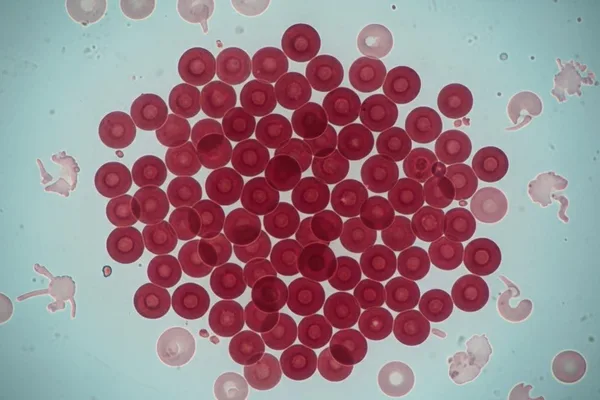
Simply put, G6PD deficiency is a genetic condition in which your body has very low levels of G6PD. Okay, now you're asking what G6PD is. G6PD (Glucose-6-Phosphate Dehydrogenase) is a very important enzyme in our body. The main function of this enzyme is to protect our red blood cells from various damages.
This deficiency occurs when someone is born with a change, or mutation, in the gene that makes the G6PD enzyme. As a result, your red blood cells don't produce enough of the G6PD enzyme.
But here's the thing. Many people with G6PD deficiency don't have any symptoms . They live normal lives. However, sometimes, problems can be caused by "triggers" like certain medications, infections, or certain foods (we'll talk about these later). In such cases, a condition called hemolytic anemia can develop. This means that red blood cells are rapidly broken down and destroyed. Sometimes, newborn babies can develop severe jaundice due to G6PD deficiency.
G6PD deficiency is a more common condition than you might think. It's estimated that between 400 and 500 million people worldwide have the condition. So if you have it, your doctor can help you keep your red blood cells at a safe level.
What are the symptoms of G6PD deficiency?
As we mentioned earlier, most people with G6PD deficiency don't usually have symptoms. However, symptoms only appear when a trigger puts stress on your red blood cells and causes them to break down (hemolysis). When that happens, things like this can happen:
- Feeling extremely tired
- Rapid heartbeat ( tachycardia )
- Difficulty breathing ( Dyspnea )
- Yellowing of the skin or the whites of the eyes (these are signs of jaundice )
- Pale skin (lips and tongue may even be pale)
- Dark yellow, orange, or tea-colored urine
- Enlarged spleen
If these symptoms occur suddenly and severely, it is called a hemolytic crisis . If you experience this , it is very important to seek medical attention immediately.
Symptoms of G6PD deficiency in newborns
Newborns are less likely to have obvious symptoms of G6PD deficiency. The most common symptom is jaundice . This usually appears within a few days of birth. If not treated properly, severe jaundice can cause brain damage in the baby. This is called kernicterus . This is why doctors test newborns for G6PD deficiency if they suspect it.
What causes G6PD deficiency?
G6PD deficiency is caused by a variation (variant) in your G6PD gene. This variation prevents your body from properly instructing you to make the G6PD enzyme. You inherit this genetic variation from your parents, through the X chromosome .
Having this genetic variation means that your red blood cells have low levels of G6PD. The G6PD enzyme is very important because it prevents the red blood cells from accumulating too many "free radicals ." Free radicals are usually harmless substances. They can be found in the environment, in some foods (fava beans, for example), and in medications.
However, if you don't have enough G6PD, certain triggers (e.g. eating fava beans) can cause too many of these free radicals to build up inside your cells. This causes a condition called oxidative stress , which puts stress on your red blood cells. Eventually, these cells break down and are destroyed. This reduces the number of red blood cells, causing hemolytic anemia .
What are the triggers for the anemia of hemolysis associated with this condition?
According to some researchers, eating fava beans is the most common trigger . If a person with G6PD deficiency develops anemia after eating fava beans, it is called favism . Other common triggers are:
- Infections: Infections like Hepatitis A and Hepatitis B , Typhoid Fever , and Pneumonia .
- Some medications used for malaria: For example , Primaquine .
- Some antibiotics : such as nitrofurantoin , dapsone, and sulfa drugs .
- NSAIDs (painkillers): Like aspirin and ibuprofen .
- Smoking and excessive alcohol consumption.
- Severe mental stress.
- Intense physical exercise.
What are the risk factors?
There are several factors that increase the risk of inheriting G6PD deficiency:
- Gender: Men are more likely to develop G6PD deficiency. This is because men only have one X chromosome that carries this genetic mutation. (Since women have two X chromosomes, there are times when a problem with one can be compensated for by the other.)
- Geographic location: This condition is common among people living in sub-Saharan Africa, the Mediterranean region, and Southeast Asia.
- Race: Researchers estimate that more than 10% of men of African descent in the United States have G6PD deficiency.
How is G6PD deficiency diagnosed?
Doctors will usually first ask about your complete medical history and perform a physical exam. They may also ask if you have recently changed medications or developed any infections. They will also check to see if anyone in your family has G6PD deficiency.
Tests used to diagnose G6PD deficiency are:
- Complete Blood Count (CBC): Checks your red blood cell count.
- Peripheral Blood Smear: Checks for signs of anemia in a blood smear, that is, if there are red blood cells of abnormal shape or size.
- Bilirubin Test: Check the level of bilirubin, a waste product formed from broken down red blood cells.
- G6PD Test: Check your G6PD enzyme levels.
How is G6PD deficiency treated?
Doctors treat the condition based on the condition. For example, if you have mild jaundice and you know you have G6PD deficiency, they will first treat the symptoms of jaundice. Then, they will tell you what triggers you need to avoid.
However, if the symptoms are severe, the treatment is different. If you have severe hemolytic anemia, you may need a blood transfusion .
If your newborn baby has jaundice, your doctor may treat it with phototherapy (a treatment using natural or artificial light). In more severe cases, your baby may need to have an exchange transfusion . This involves removing the baby's unhealthy blood and replacing it with healthy, donated blood.
Can G6PD deficiency be prevented?
Since this is a genetic condition, it is not possible to prevent it from occurring. However, there are ways to identify it before it causes major health problems. These include:
- Screening newborns: In many countries where this condition is common, screening programs are in place to identify G6PD deficiency in newborns.
- Genetic testing: If someone in your family has G6PD deficiency, your doctor may recommend that you also undergo a DNA test .
What can I expect if I have this condition?
There is no permanent cure for G6PD deficiency. However, most people can live without any problems if they avoid triggers. And it does not affect lifespan.
However, this condition does not affect everyone the same. Many people with G6PD deficiency may not even know they have it because they have no symptoms. Most people have symptoms, but they are very mild. However, for some, when exposed to a trigger, they can develop a hemolytic crisis, which can be life-threatening.
Your doctor can best explain what you can expect based on your diagnosis.
How can I take care of myself?
Ask your doctor what foods and medications you should avoid. Here are some other suggestions:
- Limit alcohol consumption: Drinking too much alcohol can put pressure on your red blood cells.
- Avoid smoking: Smoking can cause free radicals to accumulate in your red blood cells.
- Exercise in moderation: Exercising too hard can increase oxidative stress.
- Try to get enough rest: Sleep strengthens your immune system, which helps fight infections that can cause anemia in a blood transfusion.
- Manage stress: If you are feeling a lot of stress, ask your doctor for help managing your stress.
Important: If your newborn has G6PD deficiency, you should avoid eating fava beans while breastfeeding . Compounds that can cause pernicious anemia can pass to the baby through breast milk.
When should I see my doctor?
See your doctor at any time if you develop symptoms of G6PD deficiency. If symptoms are severe and develop quickly (signs of a hemorrhagic crisis), seek medical attention immediately .
What questions should I ask my doctor?
Here are some questions to ask if you have G6PD deficiency:
- How serious is my condition?
- What foods and medications should I avoid?
- Are there any environmental triggers I should avoid?
- What are the chances that my child will inherit G6PD deficiency?
Finally, what to remember (Take-Home Message)
A diagnosis of G6PD deficiency can affect everyone differently. While it cannot be cured, it is usually a manageable condition. The key is to identify and avoid triggers that increase the risk of developing pernicious anemia. This may include avoiding fava beans and other triggers. It is also important to practice healthy habits, such as getting enough rest and not smoking. Ask your doctor for information to help you manage how G6PD deficiency affects your life. Don't panic, awareness is the best defense!
` G6PD deficiency, hemolytic anemia, jaundice, genetic diseases, red blood cells, fava beans, enzymes




💬 Comments (0)
No comments yet. Be the first to share your thoughts here.
Add Your Comment