

When we talk about the organs in our body, no one thinks much about the gallbladder, right? But this small organ also performs an important job. Simply put, it collects and stores a liquid called "bile" that helps us digest the fats in the food we eat. However, it is not an indispensable organ like the heart, liver, or kidneys. Many people live without any symptoms even if stones form in it.
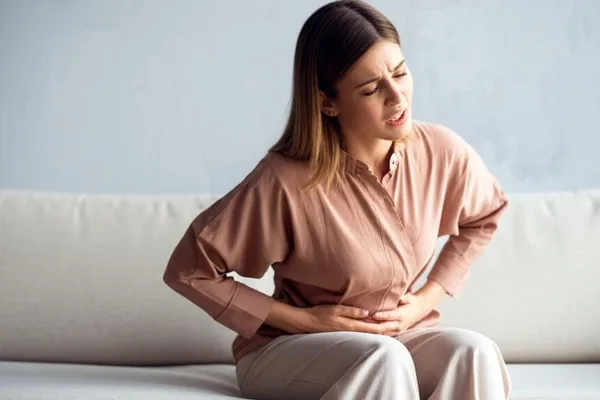
However, some people may experience symptoms due to gallstones. For example, pain in the upper right side of the abdomen, bloating, nausea, and vomiting. If these symptoms occur frequently or are severe, doctors usually recommend surgery to remove the gallbladder.
Does food and drink affect the formation of gallstones?
In fact, diet is not the only cause of gallstones. And diet alone cannot cure these stones. However, controlling your diet and body weight can help prevent new stones from forming and reduce the discomfort caused by stones if you already have them.
There are several risk factors that can affect the development of gallstones. If someone in your family has this condition, you are more likely to develop it too. Women are also twice as likely to develop this condition as men. Body weight is also a major factor. People who are obese are at a much higher risk of developing gallstones.
This risk is particularly high for those who eat a diet high in fat and cholesterol but low in fiber. Some of these risk factors are not something we can change. For example, genetics. But you can change your eating habits.
The most important thing is that if you are overweight, you need to lose it. But losing weight suddenly is not a good idea . Because of crash diets, our liver releases more cholesterol into the bile. Then the balance between the cholesterol and bile salts in the bile is lost, and that excess cholesterol accumulates and starts forming stones.
So, what foods are good for the gallbladder?
Whether you are at risk for gallstones or not, maintaining a healthy weight and eating a diet that is low in fat and cholesterol, moderate in calories, and high in fiber is good for your overall health. Let's take a look at the table below to see which foods are good for gallbladder health.
| Food category | Examples and importance |
|---|---|
| Fresh fruits and vegetables | They are rich in vitamins, minerals, and fiber. They are very beneficial for the body. |
| Whole grains | Things like brown rice with bran, buckwheat, oats, and whole wheat bread. These are high in fiber, which makes digestion easier. |
| Lean meat, poultry, and fish | Things like skinless chicken and lean fish provide the protein your body needs. |
| Low-fat dairy products | Non-fat milk, yogurt, etc. These provide calcium and do not add unnecessary fat to the body. |
Some studies have shown that drinking coffee (which contains caffeine) reduces the risk of gallstones. Some studies also suggest that moderate alcohol consumption may reduce the risk of gallstones. However, since research on these is still ongoing, doctors do not recommend using these products to prevent gallstones.
If you have gallstones, definitely reduce your intake of these foods!
Often, the main reason for gallbladder symptoms is our familiarity with the Western diet, which is high in refined carbohydrates and saturated fats.
Simply think of it this way. When you eat a fatty meal, the gallbladder squeezes hard to help digest it. Then, if a stone in the gallbladder gets stuck in the bile duct, it's like pushing against a blocked door. That's when the pain becomes unbearable. So, eating fatty meals can make this pain worse.
Remember, diet alone cannot eliminate stones that have already formed. However, it can help control symptoms and prevent new stones from forming.
Let's see from the table below which foods we definitely need to reduce.
| Types of food that should not be eaten | Why is that not good? |
|---|---|
| Fried foods | French fries, chips, oily foods, and fried foods. These contain a lot of oil, which forces the gallbladder to contract harder. |
| Highly processed foods | Donuts, cakes, pastries, cookies, biscuits. These are high in unhealthy oils, sugar, and refined flour. |
| Dairy products with cream | Cheese, butter, ice cream, and full-fat milk are high in saturated fat. |
| Fatty red meat | Fatty meats like beef and pork are high in cholesterol and saturated fat. |
If you are overweight, try to lose 1-2 pounds (0.5 - 1 kg) per week gradually. The best way to do this is to eat a balanced diet and continue to exercise. It is very important to talk to your doctor before doing any of these things.
If you continue to have symptoms despite controlling your diet, be sure to see a doctor. You may need to have surgery to remove your gallbladder (cholecystectomy).
Take-Home Message
- The main function of your gallbladder is to store bile, which helps digest fatty foods.
- Eating a diet high in oil and cholesterol increases the risk of developing gallstones.
- Add fresh fruits, vegetables, whole grains, and lean proteins to your diet.
- Reduce fried, highly processed, and high-fat foods as much as possible.
- If you are losing weight, do it gradually, not all at once. Sudden weight loss can cause stones to form.
- Although dietary changes can help control symptoms, they cannot eliminate existing stones.
- If symptoms such as stomach pain and nausea persist, be sure to see your doctor.




💬 Comments (0)
No comments yet. Be the first to share your thoughts here.
Add Your Comment