
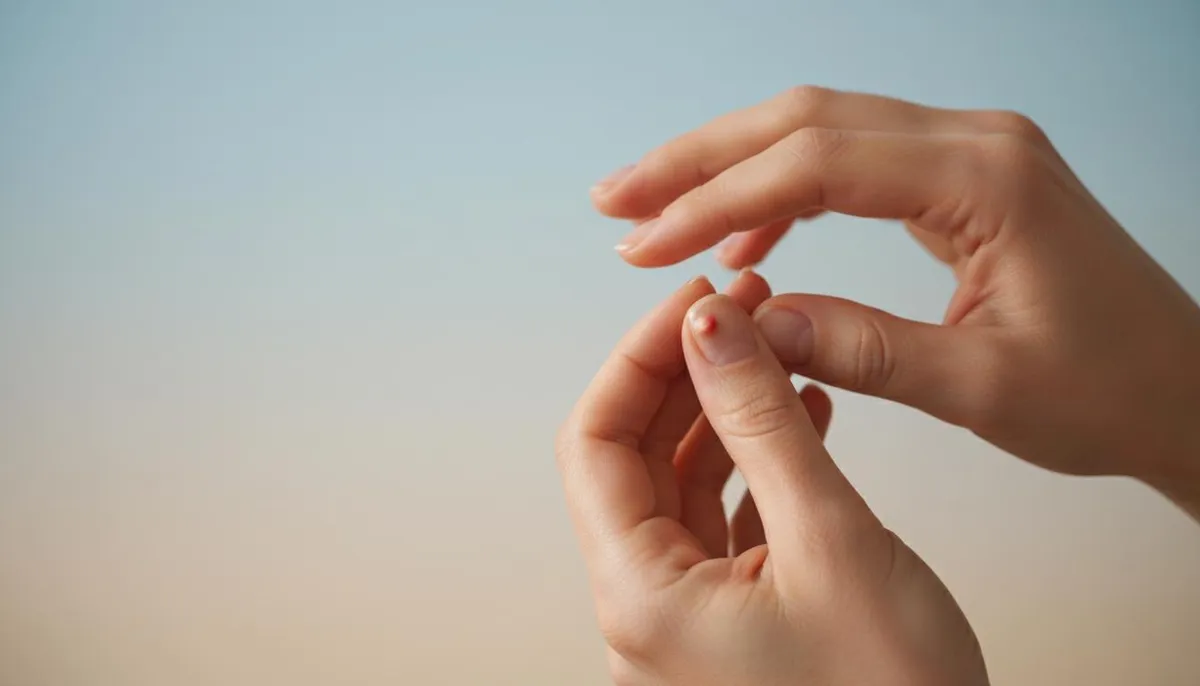
Have you ever noticed small, firm bumps forming near your finger joints, elbows, or even on your outer ears? Maybe you brushed them off as harmless calcium deposits or simple skin cysts. However, if you or someone you love lives with gout, these mysterious lumps might actually be a sign of advanced joint disease known as gout tophi.
Living with chronic joint pain can feel overwhelming, especially when unexpected changes appear on your body. When gout is left unmanaged over many years, excess uric acid in your bloodstream can cluster together into solid mineral deposits beneath your skin. Understanding what these lumps mean is the first step toward reclaiming your joint health and finding lasting relief.
In this complete medical guide, we will break down everything you need to know about gout tophi in simple, clear everyday language. You will discover how these chalky deposits form, where they typically appear, what complications they can cause, and how your doctor can help you safely shrink and manage them.
Key Takeaways at a Glance
- What They Are: Gout tophi are hard deposits of uric acid crystals that build up under your skin and around your joints.
- The Root Cause: They develop after years of untreated or poorly controlled high uric acid levels in your blood.
- Where They Hide: While common on fingers, wrists, elbows, and toes, they can also appear on your earlobes and tendons.
- Medical Solution: Lowering your blood uric acid with daily medicine can gradually shrink and dissolve existing tophi over time.
Know your body mass index (BMI) and weight classification
What Are Gout Tophi Exactly?
To understand tophi, you first need to understand how gout works in your body. Gout is a complex and painful form of inflammatory arthritis. It happens when your body produces too much uric acid or your kidneys cannot filter it out fast enough. When uric acid levels stay too high for a long time, medical experts call this hyperuricemia.
When uric acid builds up past a certain point, it forms sharp, needle-like crystals. These tiny crystals settle inside your joints and surrounding tissues, triggering sudden attacks of intense pain, swelling, and redness. If you do not treat this underlying high uric acid over many years, those microscopic crystals start clumping together.
Over time, these crystal clusters grow into larger, visible nodules under your skin. Doctors call a single lump a tophus, and multiple lumps are known as tophi. This advanced stage of the disease is officially called chronic tophaceous gout. Developing tophi usually takes many years of uncontrolled gout flares, signaling that your condition requires urgent medical attention.
Figure 1: Medical diagram illustrating how uric acid crystals accumulate around joint tissues to form painful tophi.
Where Can Gout Tophi Form on Your Body?
Gout tophi most often form directly inside your joints and the soft tissues surrounding them. Because uric acid crystals travel through your bloodstream and settle in cooler parts of your body where circulation is slower, certain areas are much more vulnerable than others.
Common locations where doctors find tophi include the following tissues:
- Cartilage cushioning your bones.
- Synovial membranes lining your joint cavities.
- Bones near your main joints.
- Fatty tissues beneath the skin.
- Tendons connecting your muscles to your bones.
- Ligaments stabilizing your skeletal structure.
Because of these preferred locations, you will often spot visible or palpable lumps around your fingers, wrists, elbows, knees, and ankles. However, tophi can sometimes surprise you by appearing in unusual or unexpected places throughout your body.
Uncommon areas where tophi can sometimes develop include:
- Your outer ear lobes.
- The bridge or cartilage of your nose.
- Your kidneys, affecting filtration.
- The surface of your skin as superficial nodules.
- The white part of your eyes, known as the sclera.
- Your heart valves in rare, severe cases.
In the early stages, most tophi are completely painless when you touch them. This happens because your body forms a protective wall of cells around the uric acid cluster, helping your tissues adapt to the foreign material. However, as the lump grows larger, it stretches the skin tightly over it, creating persistent stiffness and dull aching.
In some cases, a mature tophus can break open through the skin surface. When this happens, it releases a chalky, white fluid that looks like toothpaste or wet plaster, which consists of concentrated uric acid crystals. Once a tophus ruptures, the resulting wound is extremely painful and vulnerable to secondary bacterial infections that take a long time to heal.
| Feature | Gout Tophi Characteristics |
|---|---|
| Physical Appearance | Firm, smooth nodules beneath the skin. They can range in size from a tiny pinhead or grain of rice to a large marble. |
| Pain Level | Usually painless at first, but becomes tender and sore if the lump expands rapidly, stretches the skin, or ruptures. |
| Differentiating Clues | Often secretes a chalky white paste when broken, helping doctors distinguish them from rheumatoid nodules or calcium deposits. |
Risks and Complications Caused by Tophi
Gout tophi are not just cosmetic bumps that sit quietly under your skin. Leaving them untreated poses severe, long-term risks to your musculoskeletal system and overall physical health.
Here are the primary complications associated with advanced tophaceous gout:
- Permanent Bone and Tissue Erosion: As a tophus expands, the constant pressure and chemical irritation slowly dissolve the adjacent bone and cartilage. This structural damage is often irreversible, leading to permanent joint deformities.
- Chronic Joint Destruction: Healthy joints rely on smooth cartilage to glide effortlessly. Tophi destroy these protective cushions, leaving your joints stiff, damaged, and unable to move normally during everyday activities.
- Nerve Compression and Infections: Large tophi can press against nearby nerves, causing numbness or tingling. They can also become infected or interfere with organ function if deposits affect critical areas like your kidneys.
Why Do Tophi Form and How Do Doctors Treat Them?
As we discussed earlier, tophi form because your blood uric acid levels remain too high for an extended period. When white blood cells called macrophages try to clean up the sharp uric acid crystals, they get overwhelmed by the sheer volume of crystals.
Over time, these immune cells crowd around the crystal deposits to wall them off from the rest of your body, forming a specialized structure called a granuloma. A mature tophus is essentially a large, walled-off deposit of these immune cells and uric acid crystals.
Figure 2: Chronic tophaceous gout on hands, highlighting how untreated uric acid crystals form large, disfiguring nodules.
Medical Treatment Options
Fortunately, modern medicine offers effective ways to reverse this process and eliminate tophi. Your doctor will focus primarily on lowering your blood uric acid levels using specific prescription medicines.
- Uric Acid-Lowering Medicines: Drugs like allopurinol and febuxostat work by reducing how much uric acid your body produces. Taking these medicines consistently stops new tophi from forming and allows your body to gradually dissolve existing deposits. However, because this is a slow biological process, you may need to take your medicine faithfully for at least six months before noticing visible shrinkage. Always follow your doctor's exact prescription instructions.
- Surgical Removal: If a tophus grows unusually large, causes severe pain, breaks open and gets infected, or threatens normal joint movement, your doctor may recommend a minor surgical procedure called a tophectomy to remove the lump safely.
Lifestyle Changes to Support Recovery
Taking your daily prescription medicine is essential, but combining medical treatment with healthy lifestyle habits gives you the best chance of keeping gout under control.
| Lifestyle Area | Recommended Action Steps |
|---|---|
| Dietary Choices | Limit foods high in purines, such as red meat, shellfish, and sugary drinks or alcohol. Fill your plate with fresh vegetables, whole fruits, and high-fiber grains. |
| Reviewing Current Medicines | Certain routine medicines like specific diuretics (water pills) can raise your uric acid levels. Discuss all your current prescriptions with your doctor. |
| Consistent Medical Follow-Ups | Never stop taking your gout medicine without consulting your doctor. Regular blood tests ensure your uric acid stays within a safe, healthy range. |
While gout is a chronic condition that cannot be completely cured, you can live a comfortable, active life. By sticking to your treatment plan and making sustainable lifestyle adjustments, you can successfully lower your uric acid, prevent painful flares, and protect your joints from dangerous complications like tophi.
When to Call Your Doctor or Seek Emergency Care
If you develop a sudden, severe joint flare with a fever, chills, or a tophus that bursts open and starts leaking fluid or pus, contact your doctor right away. Go to your nearest Emergency Department (ER) or call 911 (US/Canada) or 999 (UK) right away if you experience signs of a serious joint infection or unbearable systemic illness.
💡 Take-Home Message
- Gout tophi serve as a clear warning sign that your gout has become advanced and is currently under-controlled.
- These hard lumps develop when blood uric acid levels remain too high for an extended period.
- Even though they are often painless at first, tophi can cause permanent damage to your bones and joints over time.
- The cornerstone of treatment involves taking prescribed, uric acid-lowering medicines consistently every day.
- If you notice unexplained lumps on your joints or ears, schedule an appointment with your doctor promptly for an evaluation.
Sources & Trusted References:
- Cleveland Clinic. Gout: Causes, Symptoms & Management.
- Mayo Clinic. Gout Overview & Tophaceous Complications.
- National Health Service (NHS UK. Gout Symptoms, Treatments, and Lifestyle Advice.
- Centers for Disease Control and Prevention (CDC). All About Gout and Uric Acid Management.
- National Institutes of Health (NIH / PubMed Central). How it happens and Clinical Management of Chronic Tophaceous Gout.






No comments yet. Be the first to share your question or experience below.