

Do you suddenly feel like you're losing your body, or your limbs are numb? Sometimes this can be a sign of something serious. Today we're going to talk about one such disease. It's Guillain-Barré Syndrome, or GBS for short. Although this is a relatively rare condition, it's important to be aware of it.
What is Guillain-Barré Syndrome?
Simply put, Guillain-Barré Syndrome is a rare condition in which your body's own immune system attacks your nervous system . It specifically damages the peripheral nerves that run to your limbs and other parts of your body. Think of these nerves as wires in your body. When these nerves are damaged, symptoms such as numbness, weakness, and even paralysis can occur. But there is good news. With proper treatment, most people can recover completely from this condition.
The pronunciation of this name is also a bit different. In English, it is pronounced "ghee-AHN buh-RAY".
Who is most likely to develop GBS?
Guillain-Barré syndrome can affect anyone of any age. However, it is most common in people between the ages of 30 and 50. This means that young and middle-aged people are also at risk.
How common is this?
GBS is actually a very rare disease. With a world population of about 7.8 billion, it is reported that only about 100,000 people develop the disease each year. That means that approximately one in 78,000 people are newly diagnosed with the disease each year. So, this is not very common.
What are the symptoms of GBS?
Because Guillain-Barré syndrome affects our peripheral nerves, it affects the things that are controlled by those nerves, such as muscle movement, pain perception, temperature, and touch .
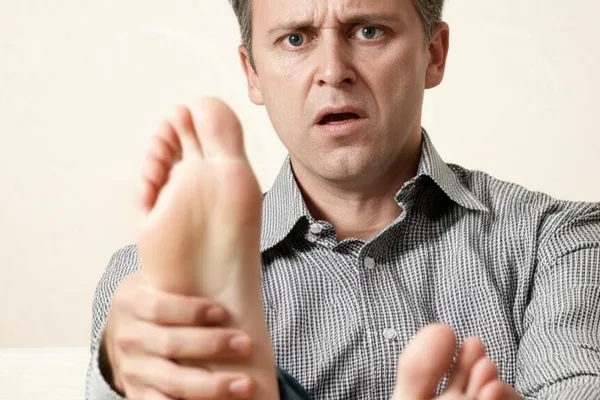
The first symptoms of GBS are muscle weakness and/or numbness (paresthesia) . These symptoms usually come on suddenly. They often affect both sides of the body equally . Also, it can start in the legs and feet and gradually spread upwards, to the arms and face. When the muscles in the legs become weak, it can be difficult to walk or climb stairs. Imagine a person who has been working normally suddenly loses both legs and is unable to walk.
The severity of GBS can vary from person to person. Some people may have very mild symptoms and recover. Others may have more severe symptoms. Depending on the severity of the disease, other symptoms may include:
- Tight muscle pain in the back and/or legs .
- Paralysis of the muscles of the legs, arms, and/or face . In severe cases, the entire body may become paralyzed.
- Weakening of the chest muscles . This can make it difficult to breathe. This condition occurs in about a third of people with GBS.
- Difficulty speaking and swallowing (dysphagia) .
- Difficulty moving the eyes and blurred vision .
Symptoms of GBS can develop gradually over a period of hours, days, or weeks . Most people experience the worst of the illness within the first two weeks after symptoms begin. By the third week, about 90% of people may be at their most debilitating.
The most important thing is, if you suddenly develop muscle weakness and it gets worse over a few hours or days, see a doctor immediately. It is very important to start treatment for GBS as soon as possible.
What are the possible complications of GBS?
GBS affects our autonomic nervous system, which can cause life-threatening complications . Our autonomic nervous system controls vital processes that we don't realize we have, such as heart rate, blood pressure, and digestion. When this system malfunctions, it's called dysautonomia.
The dysautonomia caused by GBS can lead to complications such as:
- Cardiac arrhythmias.
- Blood pressure instability.
- Digestive problems (gastrointestinal stasis).
- Difficulty controlling urination, for example, urinary retention.
What are the causes of GBS?
Guillain-Barré syndrome is a post-infectious, immune-mediated neuropathy . Let's explain this a little more:
- Post-infectious: This condition usually occurs after you have had an infection. About 70% of people with GBS develop symptoms within a week to six weeks of the illness . Researchers still don't know exactly why this happens to some people and not others.
- Immune-mediated: This means that the disease is caused by an abnormal response from our immune system. When some people get sick, their immune system reacts incorrectly and attacks and damages their own peripheral nerves. This is what causes GBS. It is also a type of autoimmune condition. However, unlike many autoimmune diseases, GBS is not a lifelong disease.
- Neuropathy: Neuropathy is a general term for diseases that damage the nerves. In GBS, the damage occurs to the peripheral nerves. Our immune system rapidly attacks these nerves over a period of days, destroying the protective covering called myelin (similar to the insulation around an electrical wire).
Researchers have identified some infections and other immune system-related causes that can lead to GBS. These include:
- Diarrhea or a respiratory infection: About two-thirds of people with GBS have diarrhea or a respiratory infection a few weeks before symptoms begin. The main cause of GBS is infection with the diarrhea-causing bacteria Campylobacter jejuni .
- Viral infections: Some people who develop GBS have also had previous viral infections such as the flu, cytomegalovirus, Epstein-Barr virus, and Zika virus.
- Vaccines: Very rarely , some people have developed GBS a few days or weeks after receiving certain vaccines. But this is important: The benefits of vaccination far outweigh the risks. Studies have shown that people who get the flu vaccine are more likely to develop GBS than those who get the flu.
- Surgery: Very rarely, GBS can occur after any surgery.
How to identify `(GBS)`?
Doctors usually diagnose Guillain-Barré syndrome based on your symptoms and medical history . Your doctor will ask you questions about how and when your symptoms started, and if you have had any recent illnesses. They will also do a physical and neurological exam to check for muscle weakness and decreased or absent deep-tendon reflexes (hyporeflexia or areflexia).
However, there are many other neurological conditions that have symptoms similar to GBS. Therefore, your doctor may order additional tests to rule out other conditions. These tests may include:
- Electromyography (EMG) and nerve conduction tests: These tests assess the health and function of your skeletal muscles (muscles attached to bones) and the nerves that control them.
- Spinal tap / lumbar puncture: In this procedure, your doctor inserts a needle into your lower back and takes a sample of cerebrospinal fluid (CSF). The sample is sent to a lab to be tested for its contents. In about 80% of people with GBS, the white blood cell count in the CSF is normal, but the protein level is elevated. Other abnormalities in the CSF can indicate another condition.
- Imaging tests: Your doctor may also recommend an MRI (magnetic resonance imaging) scan of the spine.
How is GBS treated?
If you have Guillain-Barré syndrome, you may need to stay in a hospital's Intensive Care Unit (ICU) for treatment. This is so that the medical team can monitor you closely for complications such as breathing difficulties and changes in blood pressure that can occur with GBS.
There is no specific cure for Guillain-Barré syndrome. However, there are treatments that can reduce the severity of the disease and shorten the recovery time. There are two main treatment options for GBS:
- Plasma exchange (plasmapheresis): In this treatment, a machine separates the plasma from your blood, treats it, and then returns the plasma and blood back to your body. Plasma exchange filters out antibodies that attack your nerves from your plasma.
- Intravenous immunoglobulin therapy (IVIG): In this treatment, proteins called immunoglobulins, collected from the blood of thousands of healthy people, are given intravenously (into a vein). These immunoglobulins are proteins that our immune system naturally produces to attack foreign organisms. IVIG can reduce the amount of time your immune system attacks your nerves.
With both of these treatments, if treatment is started within two weeks of the onset of GBS symptoms, the recovery time can be shortened.
Treatment for complications
Complications can occur when GBS affects your autonomic nervous system and causes your body to become completely paralyzed. Your medical team will monitor your breathing, heart rate, and blood pressure closely. They will act quickly if any complications arise. Some examples of treatments for complications include:
- Respiratory care: If GBS affects your breathing muscles, you may need mechanical ventilation. About 30% of people with GBS have difficulty breathing.
- Preventing blood clots: When you are completely unconscious and in a hospital bed for a long time, your doctor may give you medication like heparin (an anticoagulant) to prevent blood clots in your deep veins (deep vein thrombosis).
- Intravenous fluids and tube feeding: If swallowing is difficult, intravenous fluids may be needed to prevent dehydration and feeding through a nasogastric tube to prevent malnutrition. This can also help prevent food or fluids from getting into the windpipe and causing aspiration pneumonia.
Rehabilitation
As your condition improves, your medical team may transfer you to a rehabilitation center. There, you can work with physical therapists and other therapists to regain your strength and begin exercises to help you return to your daily activities. These treatments may include:
- Physical therapy: This helps improve the way your body moves. A physical therapist can help you manage symptoms such as pain, stiffness, and discomfort. They can also help you do exercises to regain muscle strength.
- Occupational therapy: This treatment gradually helps you improve your ability to perform daily tasks. An occupational therapist teaches you how to stand, sit, move, or use various equipment to do your job safely.
- Speech therapy: If GBS has affected the muscles in your mouth or throat, a speech-language pathologist can help you regain your ability to swallow and speak.
- Mobility aids: Devices such as canes, braces, walkers, and wheelchairs can help improve your mobility and prevent falls. They can also help reduce fatigue.
Can GBS be prevented?
In most cases, Guillain-Barré syndrome cannot be prevented. Researchers still don't know why some people develop GBS after getting sick and others don't. However, one thing you can do to reduce your risk of developing GBS is to stay as healthy as possible. These steps can help:
- Wash your hands often.
- Stay away from people who have stomach flu or other infections.
- Strengthen your immune system by eating healthy foods and exercising regularly.
- Keep frequently touched surfaces like tables, toys, doorknobs, telephones, and bathroom fixtures clean and disinfected.
- Get all your vaccinations on time.
What is the prognosis for someone with GBS?
The prognosis for someone with Guillain-Barré syndrome can vary. Most people with GBS make a significant recovery within a few months. However, about 30% of adults – and even more children – may still have some degree of muscle weakness three years after diagnosis.
Is Guillain-Barré syndrome completely curable?
In most cases, the symptoms of Guillain-Barré syndrome improve significantly with time and treatment. Most people begin to recover within two to three weeks of the onset of symptoms. The time it takes to fully recover can range from a few months to a year or more, depending on the severity of the condition.
Guillain-Barré syndrome and lifespan
People who recover from Guillain-Barré syndrome have a normal life expectancy. Less than 2% of people die from GBS during the acute phase. Common causes of death associated with GBS include:
- Pneumonia.
- Sepsis (blood poisoning).
- Acute respiratory distress syndrome (ARDS).
- Blood clot in the lungs (pulmonary embolism).
- Cardiac arrest.
How can I take care of myself if I have GBS?
The recovery process from Guillain-Barré syndrome can be slow for some people. Don't hesitate to seek physical and emotional support from your loved ones. Your medical team is there for you.
Sudden, unexpected loss of consciousness or disability can be very distressing. If you are feeling stressed about GBS, talk to a mental health professional , such as a psychologist. A support group can also help you connect with others who have similar experiences and feelings.
Guillain-Barré syndrome (GBS) is a serious condition that can suddenly change your health. The good news is that most people with GBS recover well with treatment. However, it can take time. The recovery process can be challenging and tiring. Remember, your medical team is with you every step of the way. And don't forget to get support from your loved ones.
Let's remember the most important things (Take-Home Message)
- Guillain-Barré Syndrome is a rare disease in which our own immune system attacks our own nerves.
- This usually occurs after an infection such as a fever, cold, or diarrhea.
- The main symptoms are sudden muscle weakness and numbness that starts in the legs and spreads to the upper body.
- Breathing difficulties, swallowing difficulties, and facial muscle dysfunction may also occur.
- If you experience these symptoms, see a doctor immediately. Prompt treatment is very important.
- Treatments such as plasmapheresis and IVIG can control the disease and speed up recovery.
- It can take some time to recover, and it may require rehabilitation treatments such as physical therapy.
- Although most people recover completely, some may remain with some weaknesses.
- Although this is difficult to prevent, you can reduce your risk by staying healthy.
If you have any further questions about this, don't hesitate to ask your doctor. Stay healthy!
` Guillain-Barré syndrome, neurological diseases, immune system, muscle weakness, numbness, GBS, autoimmune diseases




💬 Comments (0)
No comments yet. Be the first to share your thoughts here.
Add Your Comment