
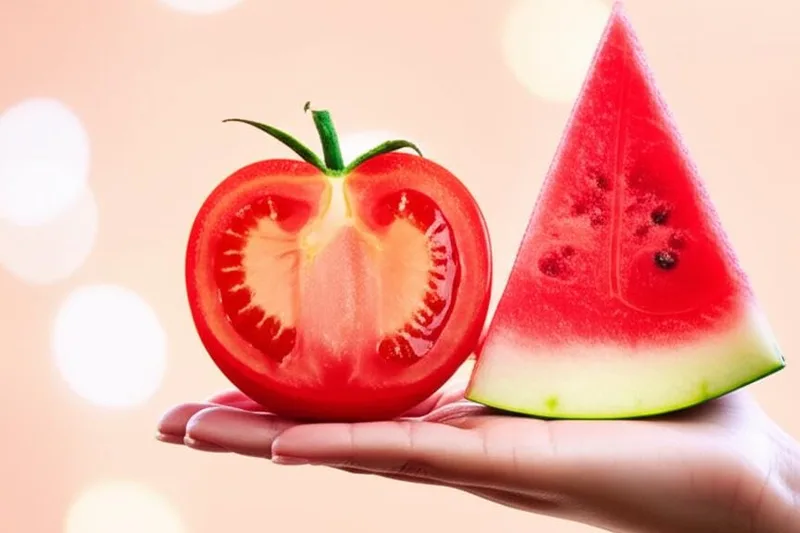
Have you ever wondered what gives your tomato sauce on a pizza, your ketchup on a roll, or your slice of watermelon that's so red on a hot day? What many people don't know is that hidden within this red color is a powerful natural compound that is very beneficial for our bodies. It's called 'lycopene.' Today, we're going to talk about this amazing nutrient called lycopene.
Simply put, what is lycopene?
Lycopene is a chemical compound naturally found in fruits and vegetables. Scientifically speaking, it is a pigment that belongs to the group called 'carotenoids'. Like plants, fruits, and vegetables get their unique colors from such pigments. Since lycopene is a red carotenoid, it is most commonly found in red and pink fruits and vegetables such as tomatoes, watermelon, pink grapes, and papaya.
The biggest difference is that lycopene is one of nature's most powerful antioxidants . Now you're probably wondering what this antioxidant is.
Imagine that there are small enemies in our body that damage the cells and make them 'eat dead'. We call them 'free radicals'. As we age, and due to things like environmental pollution and smoking, the number of these enemies increases in our body. When these 'free radicals' damage the cells, it is when they open the door to many chronic diseases such as cancer, diabetes, and heart disease.
So 'antioxidants' are like our own bodyguards that capture those harmful enemies called 'free radicals' and stop them from damaging our cells. Lycopene is one such super bodyguard.
What are the health benefits of lycopene for our bodies?
The main benefit of lycopene is the antioxidant properties we just discussed, but there are many other benefits as well.
Helps reduce the risk of cancer
Although research is still ongoing, current research suggests a link between lycopene intake and cancer prevention. It has been found to be particularly beneficial for lung, bone, and prostate cancers . Some laboratory studies have shown that lycopene can stop or slow the growth of cancer cells.
Scientists believe this is due to the unique antioxidant power of lycopene. Because it doesn't convert to vitamin A like many carotenoids, its antioxidant properties are even greater, reducing the cell damage that can lead to cancer.
Great for heart health!
There are two types of cholesterol in our blood: good cholesterol and bad cholesterol.
- Bad cholesterol (LDL) is the type that deposits on the walls of our blood vessels, gradually clogging them, and over time leading to heart attacks and strokes.
- Good cholesterol (HDL) is the type that helps remove accumulated bad cholesterol and keep blood vessels clean.
A recent study found that lycopene helps lower bad cholesterol (LDL) levels and increase good cholesterol (HDL) . In addition, lycopene also helps maintain healthy blood pressure. All of this together contributes to heart health.
Keeps skin clear and healthy
Long-term consumption of lycopene can help protect the skin from harmful UV rays. One study showed that people who added tomato paste to their diet daily had about 40% less sun damage than those who did not.
But this doesn't mean you don't need sunblock/sunscreen. You definitely need to use it. But lycopene provides additional, consistent protection to the skin. Also, lycopene increases the production of a compound called 'procollagen', which protects the skin from aging. This means that it can even reverse some of the damage that occurs to the skin as we age.
Improving male fertility
A recent study found that healthy young men who consumed about 14 milligrams of lycopene per day could improve their fertility by about 40%.
Pain relief
Lycopene has also been found to have analgesic properties. Some studies show that lycopene can provide pain relief similar to that of drugs such as ibuprofen for nerve pain.
Is there a risk of taking too much lycopene?
Lycopene is generally a very safe nutrient , and there is no recommended maximum daily intake.
However, very rarely, excessive lycopene intake can cause a slight change in skin color. One report states that a woman who drank about 2 liters of tomato juice a day for several years developed an orange-colored skin. But don't worry, this is completely temporary . When she reduced her tomato juice intake, her skin returned to normal within a few weeks.
However, some people may not be able to consume large amounts of lycopene. Just because something is good doesn't mean it's right for everyone.
The following people should definitely talk to their doctor before adding large amounts of lycopene to their diet:
- People with low blood pressure
- People with stomach ulcers
- Pregnant or nursing mothers
- People taking medication for heart disease, cancer, or skin diseases
- People taking hormone therapy
So how exactly do we get lycopene?
Although there are no reported cases of lycopene deficiency, doctors recommend consuming about 10 milligrams (10mg) of lycopene per day as part of a healthy diet.
The most important thing is to get this lycopene from natural foods rather than taking supplements, because the benefits are greater when the lycopene in foods is combined with other nutrients.
Here are some foods that are high in lycopene.
| Food | Lycopene content (approximate) |
|---|---|
| 1 cup of prepared tomato sauce | 37 milligrams (37mg) |
| A slice of raw watermelon (regular) | 13 milligrams (13mg) |
| A tablespoon of prepared tomato paste | 3 milligrams (3mg) |
| A tablespoon of ketchup | 2.5 milligrams (2.5mg) |
Here's another secret! Research has shown that lycopene is best absorbed by our bodies when it's heated and combined with a good type of oil, like coconut oil or olive oil . So, you can get more benefits from eating tomatoes cooked in a broth or sauce than eating them raw.
- When making lentil, meat, or fish broth, add a few ripe tomatoes.
- Use a homemade tomato sauce when making pasta or spaghetti.
- Cook (roast) things like tomatoes, fish, and chilies with a little coconut oil and eat them.
- Make tomato soup at home.
You can easily add lycopene to your daily diet with simple things like these.
Take-Home Message
- Lycopene is a powerful antioxidant found in red/pink foods like tomatoes and watermelon.
- This helps reduce the risk of chronic diseases such as cancer and heart disease, and maintains skin health.
- It is better to get lycopene from natural foods rather than taking pills.
- When foods containing lycopene are heated and cooked with a good type of oil, their absorption by the body increases.
- If you have a medical condition, are pregnant, or are taking any medications, be sure to consult your doctor before making any major changes to your diet.


💬 Comments (0)
No comments yet. Be the first to share your thoughts here.
Add Your Comment