
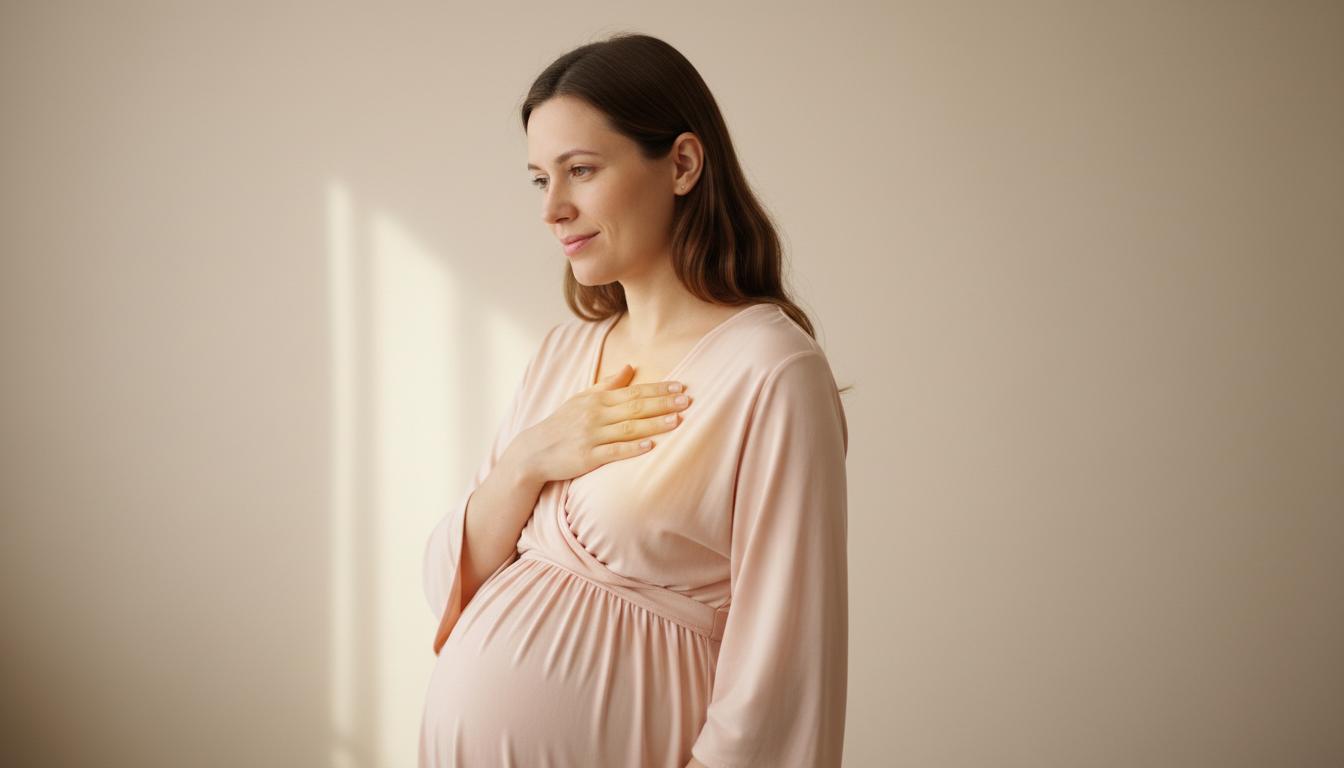
Is that burning sensation in your chest after eating a familiar feeling during your pregnancy journey? Sometimes, it can even wake you up at night! This is a very common experience for many expectant mothers. While it might feel alarming, rest assured – this condition, commonly known as 'heartburn,' has absolutely nothing to do with your heart.
What Exactly is Heartburn (Acid Reflux)?
In simple terms, heartburn occurs when stomach acid flows back up into the esophagus, the tube connecting your throat to your stomach. This backward flow of acid is medically termed 'acid reflux.' When this acidic fluid touches the lining of the esophagus, it causes that uncomfortable burning sensation we know as heartburn.
While anyone can experience acid reflux, pregnancy significantly increases the likelihood and intensity of heartburn. Several factors contribute to this:
- Hormonal Changes: Pregnancy hormones, particularly progesterone, relax muscles throughout the body, including the lower esophageal sphincter (LES). This valve normally keeps stomach contents down, but when relaxed, it allows acid to reflux more easily.
- Physical Pressure: As your baby grows, the expanding uterus puts increasing pressure on your stomach. This upward pressure can push stomach acid into the esophagus.
Studies suggest that a significant portion of pregnant women – ranging from 30% to 80% – experience heartburn at some point during their pregnancy. If you've had heartburn before pregnancy or during previous pregnancies, your chances are higher. However, for many others, it's a completely new sensation experienced only during this time.
When is Heartburn Most Common During Pregnancy?
Heartburn can occur at any stage of pregnancy. However, it often becomes more noticeable and frequent during the third trimester (the last three months). This is typically when the baby is largest, exerting maximum pressure on the stomach.
As pregnancy progresses, not only may the frequency of heartburn increase, but the intensity of the burning sensation may also worsen.
Recognizing the Symptoms of Heartburn
Symptoms usually appear within 30 minutes to an hour after eating, although they can occur later. Your activities can also influence symptoms; for instance, lying down or bending over after a meal often exacerbates heartburn.
| Symptom | Description |
|---|---|
| Burning Chest Pain | A burning sensation starting in the middle of the chest and moving upwards towards the throat. |
| Sour Taste | An acidic or bitter taste in the back of the throat. |
| Bloating | A feeling of pressure or fullness in the abdomen. |
| Regurgitation | The sensation of food or liquid coming back up into the throat or mouth. |
| Frequent Burping | More frequent burping than usual. |
| Nausea | Feeling sick to your stomach, sometimes leading to vomiting. |
While heartburn can be uncomfortable, it's generally not severely painful.
Why Does Heartburn Happen More Often During Pregnancy?
The changes your body undergoes to support fetal development are the primary drivers of pregnancy-related heartburn:
Hormonal Shifts
Pregnancy hormones cause significant physiological changes. Progesterone, in particular, relaxes smooth muscles, including the LES. This relaxation allows stomach acid to reflux more easily into the esophagus.
The Relaxed Lower Esophageal Sphincter (LES)
Think of the LES as a muscular valve between your stomach and esophagus. It opens to let food in and closes tightly to keep stomach contents, including acid, from flowing back up. Due to hormonal influences (especially progesterone), this muscle can become overly relaxed during pregnancy, failing to seal properly and allowing acid reflux.
Growing Uterus
As the baby grows, the uterus expands significantly. This enlargement puts physical pressure on the stomach, potentially forcing acidic contents upwards into the esophagus. This is a major reason why heartburn often worsens in the third trimester.
Finding Relief: What Can You Do About Heartburn?
If you're seeking quick relief from heartburn symptoms, consider these natural remedies:
- Eat plain yogurt or drink a small glass of milk.
- Sip on warm milk mixed with a teaspoon of honey.
- Chew sugar-free gum to stimulate saliva production, which can help neutralize acid.
Important Note on Medications: While over-the-counter antacids like Tums® or Maalox® may provide relief, it is crucial to consult your doctor before taking any medication during pregnancy. Many studies exclude pregnant women due to safety concerns, meaning the full effects of some medications on fetal development are not known. Your doctor can recommend safe options based on your specific situation and stage of pregnancy.
Preventing Heartburn During Pregnancy
Making simple adjustments to your diet and lifestyle can significantly help manage and prevent heartburn:
| Habit to Change | Recommendation |
|---|---|
| Eating Habits | Instead of large meals, eat smaller, more frequent meals (5-6 per day). |
| Eating Speed | Eat slowly and chew your food thoroughly. |
| Fluid Intake | Avoid drinking large amounts of water during meals; drink fluids between meals instead. |
| Foods to Avoid | Limit fatty, spicy, or acidic foods, citrus fruits, carbonated beverages, and caffeine (coffee, tea). |
| Posture After Eating | Stay upright for at least 2-3 hours after eating; Avoid lying down immediately. |
| Sleeping Position | Elevate the head of your bed by placing blocks under the bedposts or use extra pillows to prop yourself up slightly. |
| Harmful Habits | Completely avoid smoking and alcohol, as they worsen heartburn and pose risks to your baby. |
When to See a Doctor
If lifestyle changes do not provide sufficient relief, or if your heartburn is persistent and severe, consult your healthcare provider. They may recommend pregnancy-safe medications.
Seek Immediate Medical Attention If You Experience:
- Severe heartburn that wakes you up at night.
- Difficulty swallowing.
- Vomiting blood or material that looks like coffee grounds.
- Black, tarry stools.
- Unexplained weight loss.
Important Distinction: Chest pain from heartburn can sometimes mimic symptoms of a heart attack. If you experience chest pain for the first time and are unsure if it's heartburn, do not hesitate – seek immediate medical attention by calling your doctor or going to the nearest emergency room.
Heartburn and Preeclampsia: Is There a Link?
Preeclampsia is a serious pregnancy complication characterized by high blood pressure and potential organ damage, often accompanied by symptoms like severe headaches, vision changes, and abdominal pain. While heartburn can sometimes be a symptom of preeclampsia, it's far more common as a standalone issue.
If you only have heartburn, it's likely just that. However, if you have any concerns or experience other potential signs of preeclampsia, always discuss them with your doctor immediately.
The Good News
While pregnancy heartburn can be bothersome, the good news is that symptoms typically resolve shortly after delivery as hormone levels return to normal and pressure on the stomach decreases. If you didn't have heartburn before pregnancy, it's likely to disappear completely postpartum.
Key Takeaways
- Heartburn during pregnancy is extremely common and usually harmless.
- Simple dietary changes and lifestyle adjustments can significantly reduce symptoms.
- Always consult your doctor before taking any medications, including over-the-counter antacids.
- Be aware of warning signs that require immediate medical attention.
Frequently Asked Questions (FAQs)
Is heartburn during pregnancy dangerous for the baby?
Generally, heartburn itself is uncomfortable but not directly dangerous for the baby. However, severe or persistent symptoms should be discussed with a doctor to rule out other issues and ensure appropriate management.
What foods are best to avoid if I have pregnancy heartburn?
Common trigger foods include spicy foods, fatty or fried foods, citrus fruits, tomatoes, chocolate, caffeine (coffee, tea), carbonated drinks, and mint. Identifying your personal triggers is key.
Can I take antacids during pregnancy?
Some antacids are considered safe during pregnancy, but it's crucial to consult your doctor before taking any medication. They can recommend specific types and dosages that are appropriate for you.
Will heartburn go away after I give birth?
For most women, heartburn symptoms significantly improve or disappear completely within a few weeks after delivery as hormone levels normalize and the pressure on the stomach is relieved.
What's the difference between heartburn and indigestion?
Heartburn is a specific symptom – a burning sensation in the chest caused by acid reflux. Indigestion (dyspepsia) is a broader term encompassing symptoms like bloating, nausea, stomach discomfort, and feeling full quickly, which can sometimes occur alongside heartburn.
💬 අදහස් (0)
තවමත් කිසිදු අදහසක් පළ කර නොමැත. ඔබේ අදහස පළමු වරට මෙහි එක් කරන්න.
ඔබේ අදහස එක් කරන්න