

You might take vitamins, minerals, or herbal supplements every single day to support your overall health. Many people do this because they want to feel their best and take charge of their well-being. However, if you are preparing for a major procedure like a heart operation, you need to pause and think twice about these natural products.
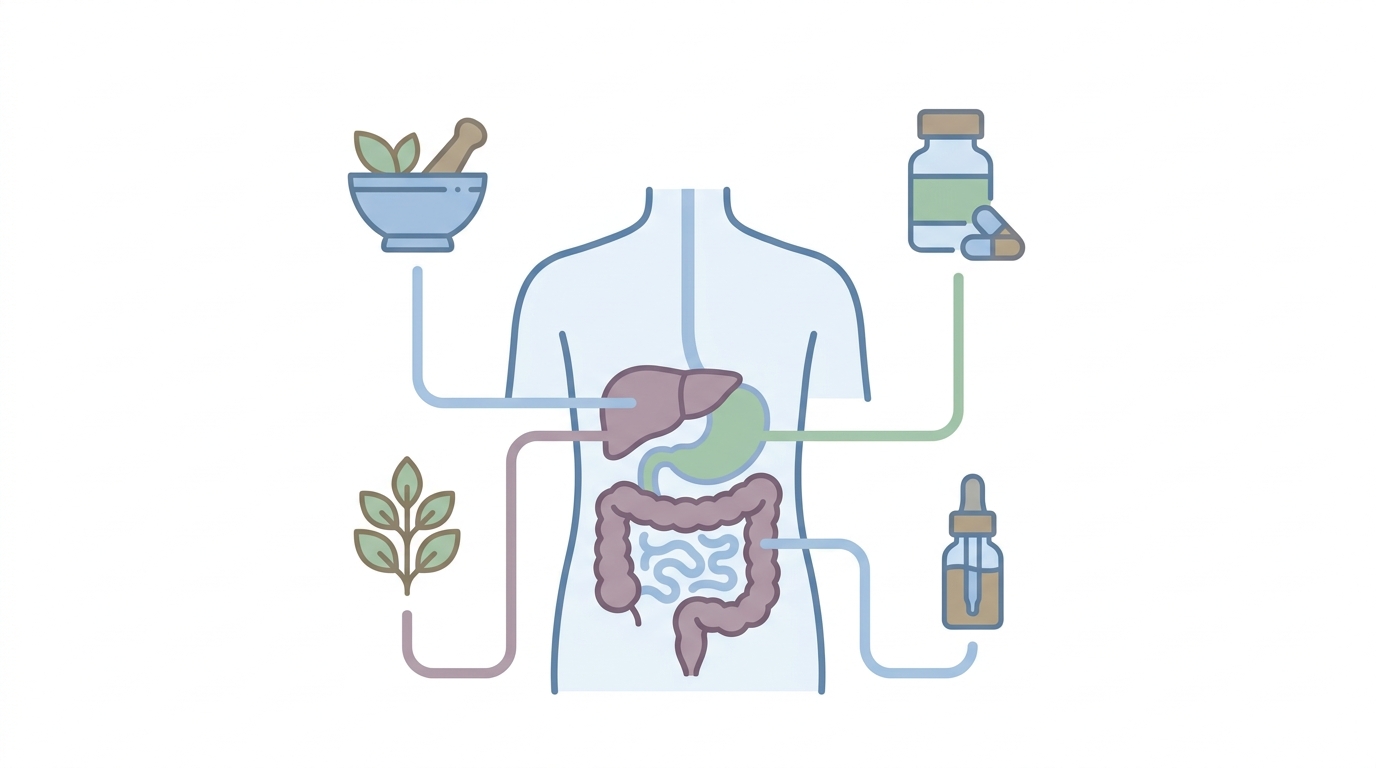
Even though herbs and supplements come from plants, they are not always safe for your body during a medical procedure. In fact, taking certain natural products before an operation can lead to unexpected complications, bleeding risks, and dangerous drug interactions. Let us explore why you must be extremely careful with supplements before heart surgery.
Key Takeaways for Your Heart Surgery Prep:
- Natural and herbal supplements can seriously interfere with anesthesia and heart medicines.
- Many popular herbs like garlic, ginkgo, and fish oil can thin your blood and cause dangerous bleeding.
- Herbal products are not strictly regulated, meaning their purity and strength are often unknown.
- You must tell your surgeon and cardiologist about every supplement you take weeks before your surgery.
Why Natural Does Not Always Mean Safe Before Surgery.
Many people believe that because something is natural or plant-based, it cannot harm the human body. Unfortunately, that assumption is simply not true. When your body faces the intense physical stress of a cardiac operation, natural supplements can create hidden dangers.
You might be taking a simple daily multivitamin, garlic capsules for your heart, ginkgo for memory, echinacea for your immune system, kava for sleep, or fish oil for general wellness. These everyday habits feel harmless when you are healthy at home. However, taking them before a bypass operation, valve repair, or any other heart procedure puts you at risk.
During surgery, your body undergoes complex medical interventions. Natural active ingredients in plants can disrupt normal blood clotting and heart stability. This can turn a routine medical procedure into a dangerous emergency.
Risky Herbal Supplements Before Surgery.
A landmark study published in the Journal of the American Medical Association (JAMA) looked closely at eight widely used herbal supplements. Researchers wanted to understand how these popular natural products affect patients undergoing surgical procedures. The eight specific supplements studied include:
- Echinacea: Often used by people to stimulate and boost their immune system.
- Ephedra: Sometimes taken for energy or weight loss, but it puts dangerous stress on the heart.
- Garlic: Widely consumed because people believe it lowers cholesterol and protects the heart.
- Ginkgo Biloba: Popular for improving memory and boosting blood circulation.
- Ginseng: often taken to increase daily energy and fight fatigue.
- Kava: Used by people to reduce anxiety and promote better sleep.
- St. John's Wort: Often taken as a natural remedy for mild depression and low mood.
- Valerian: Commonly used as a natural sleep aid for insomnia.
The research discovered that these herbal supplements can cause serious surgical complications. They can trigger excessive bleeding, cause cardiovascular instability, dangerously drop your blood sugar, and interfere with the anesthesia drugs your medical team gives you.
If you assume these products are safe just because they are natural and you continue taking them right up until surgery, you could face unexpected and life-threatening complications.
Other scientific studies show that ginger, coenzyme Q-10, and vitamin E can also cause severe side effects. They increase your risk of heart attacks, strokes, and heavy bleeding, making heart surgery much more complicated than it needs to be.
The Real Danger: How Supplements Harm Your Body During Surgery.
Simply put, many natural products directly change how your blood behaves. This creates severe risks while you are on the operating table. Here is what can happen inside your body:
- Lowered blood clotting ability: If you start bleeding during surgery, your body takes much longer to stop the bleeding.
- Increased internal bleeding: You might experience hidden bleeding inside your body that is difficult for surgeons to control.
- Platelet damage: Platelets are tiny cells in your blood that help form clots. Some supplements stop these platelets from sticking together properly.
- Blood vessel changes: Certain herbs cause your blood vessels to widen or narrow unpredictably.
- Thinner blood viscosity: Your blood can become too watery, reducing its normal ability to clot.
If you have taken these supplements for a long time without any obvious side effects, you might think you are completely safe. However, remember that during heart surgery, doctors give you powerful prescription medicines and anesthesia. When your natural supplements mix with these powerful hospital drugs, dangerous drug interactions happen.
Why These Innocent-Looking Products Are Dangerous.
There are clear reasons why these herbal products carry hidden risks. First, in many countries, herbal remedies and supplements do not go through strict government regulations. Manufacturers do not run rigorous, controlled clinical studies to test for safety and side effects.
Unlike prescription drugs, agencies like the FDA do not test every batch of herbs for quality, safety, and purity. These products are sold as pills, teas, powders, liquids, extracts, tinctures, and capsules. Because they lack tight regulation, you can never truly trust their safety, exact strength, active ingredients, or expiration dates.
Second, herbal products interact poorly with other substances. They can react with the food you eat, other herbs you take, prescription drugs from your doctor, or over-the-counter medicines from the pharmacy. These interactions change how your body absorbs prescription drugs, altering their strength and effectiveness.
For example, a natural supplement might change how fast your body absorbs a heart medicine, how that medicine travels through your blood, or how quickly your kidneys filter it out.
Just like standard medicines, the effects of herbal supplements depend heavily on your age, gender, overall nutrition, and family health history. If you live with other chronic medical conditions, the risks multiply.
The Most Important Step: Tell Your Doctor.
If you take any herbal supplements, vitamins, or alternative health products, you must tell your medical team. Speak with your cardiologist and your cardiac surgeon well in advance of your scheduled heart operation.
Sometimes, busy doctors forget to ask patients about natural supplements during a routine consultation. Even if they do not ask you directly, you must bring it up yourself. Every single person on your medical care team wants the absolute best outcome for your heart.
Many people turn to alternative products because they genuinely want to improve their health. That desire is positive, but you must ensure your journey to wellness remains safe and does not lead you into danger.
Summary: What You Must Remember.
As you prepare for your upcoming heart procedure, keep these core safety points in mind:
- Natural does not mean safe: Plant-based supplements can cause serious, life-threatening complications during surgery.
- Bleeding risks are real: Many herbs thin your blood and interfere with crucial anesthesia and surgical medicines.
- Supplements lack regulation: Herbal products do not have strict quality controls, meaning their exact strength and ingredients are uncertain.
- Always inform your surgeon: Tell your cardiologist and surgeon about every single vitamin and supplement you take, even if they forget to ask.
We hope this guide helps you prepare safely for your procedure. Protecting your health requires open communication, careful planning, and trusting your medical team every step of the way.
When to Seek Emergency Medical Attention:
If you are recovering from surgery or waiting for an operation and experience chest pain, sudden shortness of breath, severe dizziness, coughing up blood, or signs of heavy internal bleeding, call 911 (US/Canada), 999 (UK), or go to the nearest Emergency Department (ER / A&E) right away.
Comparison of Prescription Drugs vs. Herbal Supplements.
| Feature. | Prescription medicines. | Herbal Supplements. |
|---|---|---|
| Government Regulation. | Strictly tested and regulated by agencies like the FDA or MHRA. | Generally not evaluated for safety and efficacy before sale. |
| Dosage Consistency. | Exact active ingredient amounts are standardized in every pill. | Active ingredient levels can vary wildly between brands and batches. |
| Surgery Risk Disclosure. | Surgeons always review prescription drugs before operations. | Patients often forget to report herbs, creating hidden surgery risks. |


💬 Comments (0)
No comments yet. Be the first to share your thoughts here.
Add Your Comment