

You have likely heard the term herd immunity on the news, online, or during discussions about global health and viruses. This concept became a major topic of conversation during the COVID-19 pandemic, but what does it actually mean for you and your family?
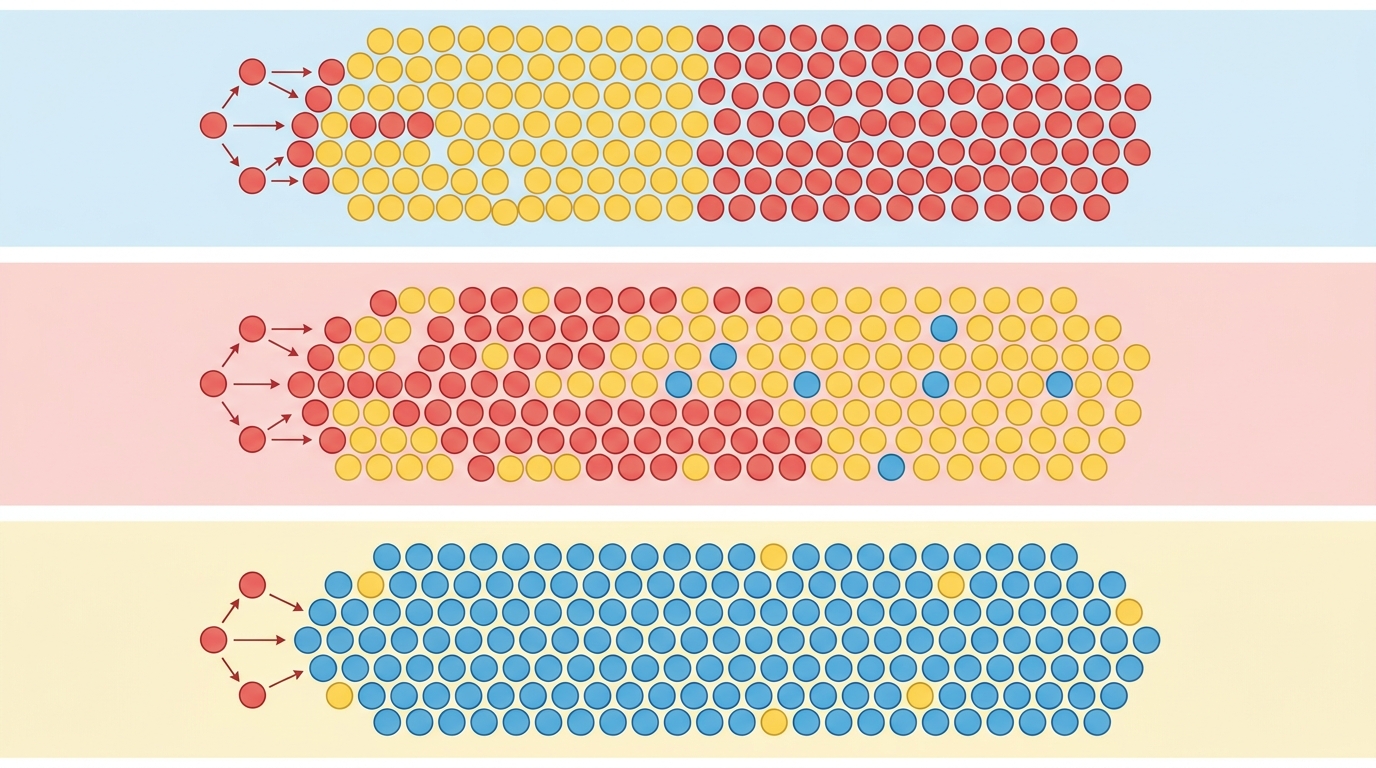
Think of it as a protective shield for your entire community. When enough people gain protection against a harmful virus or germ, the germ struggles to find new hosts and stops spreading easily from person to person.
Let us break down this medical concept into simple, everyday terms so you can understand how immunity works, why natural infection carries severe risks, and why public health experts rely on vaccines.
Key Takeaways on Herd Immunity.
- Community Protection: Herd immunity happens when a large portion of a population becomes immune to a disease, making spread difficult.
- Vulnerable Defense: It protects newborn babies, elderly people, and people with weak immune systems who cannot safely receive certain vaccines.
- Vaccination vs. Infection: Vaccines provide a safe path to immunity, whereas relying on natural infection causes severe illness and death.
- Variant Prevention: Stopping rapid transmission through high immunity levels reduces the chance for viruses to mutate into dangerous new strains.
What Is Herd Immunity?
Simply put, herd immunity occurs when a large enough percentage of a group or community gains immunity against a virus or infectious germ, making the disease very hard to spread.
Imagine a room where most people have a protective shield against a cold. When a germ enters the room, it has nowhere to go because everyone it touches is already protected. The chain of infection breaks down quickly.
Immunity generally builds through a few main pathways:
- Getting sick with the illness and recovering naturally.
- Receiving safe and effective vaccinations.
- Passing protective antibodies from a mother to her baby during pregnancy or breastfeeding.
Medical experts agree that vaccination is the safest and most reliable method to build community protection without risking severe illness or death.
Every person who gains immunity helps stop the germ from traveling further. When you get vaccinated, you reduce the chance that a virus will pass through you to someone else. You also lower the chance that the virus will mutate inside your body to form a new variant.
If a virus spreads very easily through the air, a much higher percentage of the population must be immune to stop it. Public health specialists also call this concept community immunity or population immunity.
How Does the Body Build Immunity?
When foreign germs enter your body, your immune system fights back by creating specialized proteins called antibodies. Each specific antibody targets one specific germ to neutralize it.
Your body can acquire this protection in two primary ways: active immunity and passive immunity.
Active Immunity.
In active immunity, your own body creates the antibodies. This process happens in two ways:
1. Natural Immunity: When you catch a disease, get sick, and eventually recover, your immune system builds custom antibodies to fight off that specific germ.
2. Vaccine-Induced Immunity: Vaccines use weakened, killed, or harmless pieces of a germ to train your immune system to make protective antibodies without causing the actual disease.
Active immunity gives your body an immune memory. If the same germ tries to infect you months or years later, your body remembers it right away and produces fast defenses.
Passive Immunity.
Passive immunity happens when your body receives antibodies from an outside source rather than making them yourself. For example:
- Newborn babies receive temporary antibodies from their mother through breast milk.
- Patients can receive donated blood products containing antibodies to fight specific infections.
Passive immunity does not create an immune memory. Once the borrowed antibodies wear off, your body no longer has that specific protection. It provides temporary relief rather than long-term defense.
How Herd Immunity Relates to COVID-19.
The COVID-19 virus, along with its fast-moving variants like Delta and Omicron, spread rapidly across the globe. During the early days of the pandemic, researchers calculated that if 60% to 70% of the population gained immunity through infection or vaccination, community protection would take hold.
However, newer viral variants proved far more contagious than the original strain. Scientists realized that threshold needed to be much higher, with estimates rising to roughly 85% or more.
| Disease. | Transmission Style. | Estimated Herd Immunity Threshold. |
|---|---|---|
| Measles. | Airborne droplets. | 92% - 95%. |
| Polio. | Fecal-oral / contact. | 80% - 85%. |
| Influenza (Flu). | Respiratory droplets. | 30% - 50% (changes yearly). |
| COVID-19 (Recent Variants). | Airborne aerosols. | 85% or higher. |
Can We Reach COVID-19 Herd Immunity Without Vaccines?
Trying to achieve herd immunity for a virus like COVID-19 without vaccines is extremely difficult and dangerous. Achieving that level of population immunity naturally requires letting the virus infect nearly everyone.
Allowing uncontrolled spread results in massive loss of life and floods hospitals with severely ill patients. Even with modern medical care, relying on natural infection leads to preventable tragedy.
also, relying solely on natural infection poses several major challenges:
- Some people are hesitant to accept safe vaccines despite medical consensus.
- Certain people cannot receive specific vaccines due to underlying health conditions.
- Immunocompromised people may not produce strong antibody levels even after vaccination.
- Immunity gained from natural infection or vaccination may fade over time.
- Access to vaccines remains uneven in different regions around the world.
Relying on natural infection to build herd immunity invites catastrophic public health outcomes and unnecessary suffering.
What We Learned From Measles and Influenza.
Vaccines are one of the greatest medical achievements in human history, protecting us from deadly diseases. For instance, people in modern countries rarely fear measles today. Yet, in regions without proper medical care, measles kills roughly 5% of infected children.
When widespread vaccination programs began, measles cases dropped by more than 99%. However, outbreaks still occur when vaccination rates drop in specific communities.
For example, outbreaks can spark among groups of unvaccinated people or travelers returning from areas with active transmission. Protecting our schools and neighborhoods requires steady, high vaccination coverage.
Unlike measles, which stays relatively stable, influenza changes constantly. Many different strains of the flu virus circulate every year. Doctors update the annual flu shot to match the strains predicted to spread most widely.
Taking your annual flu shot prevents severe illness, lowers hospitalizations, and protects vulnerable family members. Despite these clear benefits, many people skip their flu shots each year, leaving gaps in community protection.
The Dangers of "Natural" Herd Immunity.
Choosing to let dangerous diseases spread naturally to build community immunity is a harmful gamble. Natural herd immunity puts countless lives at risk through severe illness, permanent organ damage, and death.
Medical science developed vaccines precisely to avoid this suffering. Vaccines protect you as an person while providing a protective ring around family members, infants, and people with compromised immune systems who rely on community protection to stay safe.
Take-Home Message.
Herd immunity is essential for protecting everyone in our society, especially those who cannot protect themselves.
- Vaccination is the safest and most effective way to reach community immunity.
- When you get vaccinated, you protect yourself, your family, your friends, and your neighbors.
- Vulnerable groups—such as newborn babies, elderly relatives, and chronically ill patients—rely on high community vaccination rates for their survival.
- For fast-spreading viruses, maintaining high immunity levels remains our best tool for public health stability.
Talk to your doctor or doctor to make sure your family's routine immunizations are up to date. Protecting your health is an act of community care.
When to Seek Emergency Medical Attention.
While community protection lowers overall risk, certain symptoms require immediate medical intervention. Call 911 (US/Canada), 999 (UK), or go to your nearest emergency room if you or a loved one experience:
- Severe difficulty breathing or shortness of breath.
- Persistent pain or pressure in the chest.
- New confusion, inability to wake up or stay awake.
- Bluish lips, face, or nail beds.
- A very high, unmanageable fever accompanied by a stiff neck or rash.
A Note from Nirogi Lanka Medical Team.
Herd immunity protects communities by ensuring that a high percentage of people are immune to a disease through vaccination or past infection. Our main goal is to provide indirect protection to vulnerable community members who cannot receive vaccines safely, such as infants, cancer patients, and people with severe immune deficiencies. Staying up to date on your immunizations is both a personal health choice and a vital act of community protection.


💬 Comments (0)
No comments yet. Be the first to share your thoughts here.
Add Your Comment