

Imagine you are sitting quietly at home, relaxing and watching your favorite show on TV. Suddenly, out of nowhere, a very sharp and severe pain hits one spot on your head. It feels just like someone is poking you with a sharp tool, and then it vanishes within a few seconds.
If this strange experience sounds familiar to you, you are definitely not alone. Today, we are going to talk about a fascinating topic that will help you understand what is really happening inside your head. Let us break down what this headache is, why it happens, and whether you need to worry about it.
Key Takeaways
- Ice pick headaches cause brief, ultra-sharp stabbing pains that last only a few seconds.
- They usually happen around the temple, forehead, or eye area without warning.
- Most of the time, these sharp jabs are completely harmless and not a sign of brain disease.
- Simple lifestyle changes, stress control, and specific medicines can help if they happen too often.
- Always seek emergency medical help if your headache comes with dizziness, confusion, or vision loss.
What is an Ice Pick Headache?
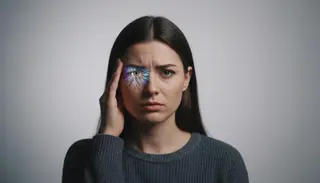
In medical science, doctors call this condition a primary stabbing headache. However, among everyday people and patients, it is widely known as an ice pick headache. The name comes from how the pain actually feels to you. It feels just like someone is taking an ice-picking tool and jabbing it right into your skull.
This pain usually targets just one very specific spot on your head. Most of the time, people feel it near the back of the forehead, right above the eyes, or near the sides of the ears. Still, this sudden jab can strike anywhere on your head. The best part about this condition is that the pain rarely lasts for more than a few seconds.
It comes and goes in a flash like a sudden lightning strike. Some people might experience just one jab a day. This others might feel a quick series of stabs back-to-back. The exact spot where the pain hits can also shift from one side of your head to the other over time.
People of any age can experience this strange head pain. However, women and people who already suffer from migraines or other chronic headache types tend to get them more often. Recognizing the pattern can help you stay calm when a jab happens.
Is This a Dangerous Condition and Should You Worry?
This is usually the biggest question on everyone's mind when they feel a sharp jab. To put your mind at ease, most of the time an ice pick headache is not dangerous. It is a benign primary headache disorder, meaning it is not caused by an underlying tumor or stroke.
It is very rare for these sharp stabs to be a sign of a serious nerve or brain problem. Your brain is simply firing a quick, confused electrical signal. Even though it feels terrifying, your body is generally safe from permanent harm.
Important Warning on Frequency
Even though most ice pick headaches are harmless, frequent or worsening pain should never be ignored. If your headache comes with dizziness, vomiting, watering eyes, or runny nose, you must talk to your doctor right away to rule out secondary causes.
A qualified doctor can examine your overall health and medical history. They will figure out whether your symptoms point to a standard ice pick headache or something else. Getting a professional evaluation gives you peace of mind and keeps you safe.
Why Do We Get This Kind of Headache?
To be completely honest, doctors and researchers do not yet have a 100 percent certain cause for this condition. The leading theory among neurologists is that your brain's pain-processing nerve cells experience a brief moment of sudden overactivity. This means those specific nerves fire off intense pain signals when they should stay quiet.
There are several other contributing factors that medical experts believe may trigger this sudden nerve firing:
- Irritation or mild compression of the trigeminal nerve and other sensory nerves in your head and face.
- A strong biological connection to migraine disorders, as migraine sufferers experience these stabs more often.
- Minor inflammation around the sensitive blood vessels or membranes surrounding your brain.
- Temporary shifts in how your cranial nerve fibers transmit electrical messages.
What Triggers This Pain?
Certain everyday actions or environmental factors can make these sharp headaches happen more often. Doctors call these triggers. Your personal triggers might be completely different from someone else's triggers. Keeping a simple daily headache diary can help you spot your unique patterns.
| Common Trigger | Simple Explanation |
|---|---|
| Bright Sunlight | Walking suddenly into glaring sunlight or staring at intense, flickering lights. |
| Sudden Body Movement | Standing up too fast, bending down quickly, or turning your head in a rush. |
| Physical Exertion | Engaging in heavy workouts, strenuous lifting, or high-intensity sports. |
Does Anxiety Play a Role in This Headache?
Yes, emotional stress and anxiety can definitely act as major catalysts for these sudden jabs. When you feel overwhelmed, your body releases stress hormones that tighten your muscles and heighten nerve sensitivity. This can make ice pick headaches happen more often or feel much more intense when they strike.
If you notice that your stabs happen on days when you feel anxious, talk to your doctor about it. Learning healthy ways to manage your daily stress levels can greatly reduce how often these painful episodes occur.
How Does a Doctor Diagnose This Condition?
When you visit a doctor for your headaches, they will start by asking detailed questions about your symptoms. They want to understand the exact nature of your pain so they can provide an accurate evaluation.
- How does the pain feel when it strikes your head?
- How many seconds or minutes does each sharp jab last?
- How many times do these jabs happen in a single day?
- Do you experience any other unusual symptoms with the headache?
By reviewing your answers and performing a physical examination, your doctor can usually diagnose an ice pick headache. In some cases, they might recommend an MRI scan of your brain. This extra step simply ensures there are no other underlying medical conditions causing your symptoms.
What Treatments and Relief Options Are Available?
Because an ice pick headache vanishes almost as fast as it appears, standard oral painkillers rarely help. By the time you swallow a pill, the pain is already gone. Therefore, most people do not require daily medicine for occasional stabs.
However, if these sharp head pains happen very often and ruin your daily quality of life, preventive medicines can help. Your doctor may evaluate your health and suggest specific prescription options to calm your nerves:
- Indomethacin, which is a strong anti-inflammatory medicine often used for short-lived headache disorders.
- Melatonin supplements, which help regulate your sleep cycle and reduce nerve overactivity.
- Botulinum toxin type A injections for chronic, hard-to-treat headache conditions.
- Gabapentin, a medicine that stabilizes overactive nerve cells in your body.
- Tricyclic antidepressants, which help modulate how your nervous system processes pain signals.
Always talk openly with your doctor about potential side effects before starting any new prescription medicine.
Relief Methods You Can Try at Home
When a sudden jab catches you off guard, you can try a few simple comfort measures at home to relax your mind and body:
- Gently massage the tender spot on your head using soft, circular finger motions.
- Apply a warm cloth or a cool compress to the area where you feel the sharp pain.
- Rest quietly in a dark, cool room away from bright screens and loud noises.
- Drink a large glass of water to make sure your body stays well hydrated throughout the day.
Can You Prevent These Headaches?
The same healthy daily habits you use to prevent other types of headaches will also help keep ice pick headaches away. Building a balanced routine supports your overall nervous system health.
- Eat Balanced Meals: Eat nutritious whole foods on a regular schedule to keep your energy steady.
- Get Enough Sleep: Give your body and brain adequate rest every single night.
- Limit Caffeine and Alcohol: Keep your intake of coffee, strong tea, and alcoholic drinks moderate.
- Manage Stress: Practice yoga, deep breathing exercises, or meditation to keep your mind calm.
- Avoid Smoking: Stay away from cigarettes, vapes, and all other tobacco products completely.
🚨 When to Seek Emergency Medical Care
If your sharp headache is accompanied by any of the following red flag symptoms, do not wait. Call 911 (US/Canada), 999 (UK), or go to your nearest emergency room right away:
- Sudden problems with body balance, feeling unsteady, or trouble standing up straight.
- Severe dizziness or a spinning sensation that does not go away quickly.
- Persistent nausea and repeated vomiting alongside the headache.
- Sudden changes in vision, such as double vision, blurry sight, or partial vision loss.
- A headache that feels like the worst pain you have ever felt in your entire life.





No comments yet. Be the first to share your question or experience below.