

Since you have Diabetes Mellitus, your doctor may have told you to use insulin. There are many types of insulin. Today we are talking about a type of insulin that is fast-acting, meaning it starts controlling blood sugar levels shortly after being injected. That is Insulin Glulisine. Let's see what are the most important things you need to know about it.
What is this Insulin Glulisine?
Simply put, this is a type of insulin that is used to treat diabetes. It works by increasing the level of insulin in our body and reducing the level of sugar (glucose) in the blood. It belongs to the category of rapid-acting insulin . This means that it starts working within about 15 minutes of being injected. Usually, when using this medicine, you need to be careful about your diet and exercise habits. Apidra and Apidra SoloStar are the popular names in the market.
Things to tell your doctor before using this medicine
Before giving you this medicine, your doctor will ask you some questions. It is very important that you tell them this information without hiding it. Especially if you have any of these conditions, be sure to tell them about them.
- If you have frequent episodes of low blood sugar .
- If you have any eye disease or vision impairment.
- If you have kidney disease or liver disease .
- If you have had an allergic reaction to this insulin, to a substance called metacresol, or to other medicines, foods, or preservatives.
- If you are pregnant, trying to get pregnant, or breastfeeding .
This information is very important for your safety.
How exactly do you use this?
This should be injected under the skin. You should use it exactly as the doctor tells you.
The most important thing is timing. This should be injected 15 minutes before or within 20 minutes of eating . Therefore, it is very important to have a meal ready before giving the injection. Don't delay eating.
Always check the appearance of the insulin before you inject it. It should be a clear, colorless liquid, like water . Do not use it if it looks cloudy, thickened, discolored, or has any clumps in it.
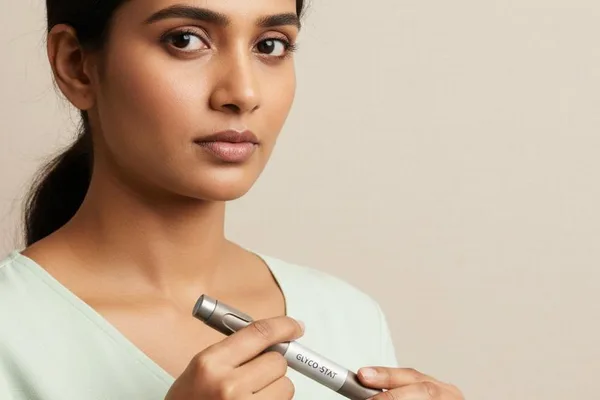
If you are using a pen, you need to remove the outer needle cover from the needle to take the dose.
Be especially careful when removing needles.
Do not throw used needles and syringes in the trash. Put them in a special sharps container. This will help prevent others from getting stabbed. If you don't have one, ask your doctor to get one.
What if the dose increases?
If you think you have taken more medicine than prescribed, immediately call the National Poisons Information Centre at the Colombo National Hospital, or go to the Emergency Treatment Unit (ETU) of the nearest hospital.
Other things that may interact with this insulin
It is very important to tell your doctor about any other medications, vitamins, and herbal products you are taking, as some of these can affect the way this insulin works.
| Type of medicine / substance | Description |
|---|---|
| Other diabetes medications | May affect blood sugar levels. |
| Alcoholic beverages | Sugar levels can suddenly decrease or increase. |
| Certain painkillers (NSAIDs) | Medicines like Ibuprofen and Naproxen. |
| Medicines for blood pressure and heart disease | Some types affect sugar levels. |
| Types of hormones | Birth control pills, steroids (like Prednisone). |
| Medicines for asthma and colds | Some syrups may contain sugar or alcohol. |
| Other | Medications for HIV/AIDS, some medications for mental illness, some antibiotics, and herbal supplements. |
| Special attention: Medications that mask the symptoms of low blood sugar | |
| Beta-blockers | Medications such as Atenolol, Metoprolol, and Propranolol, which are used for high blood pressure or heart disease, can cause symptoms such as tremors and increased heart rate that occur when blood sugar levels drop. |
Things to keep in mind when using the medicine
- Regular checkups: Visit your doctor at regular intervals to check your condition. You will need to have a blood test called HbA1C (A1C) every 2-3 months to see if your diabetes is under control.
- Test your blood sugar: Learn how to test your blood sugar at home. Also, know the symptoms of high blood sugar (hyperglycemia) and low blood sugar (hypoglycemia) and what to do about them.
- If you have low blood sugar: If you experience symptoms of low blood sugar, always keep some sugar, a glucose tablet, or something like a piece of candy nearby. But remember, if you have a low blood sugar condition such as seizures or loss of consciousness, it is not a good idea to put anything in your mouth. In that case, you should seek immediate medical attention.
- Don't share: Never share your insulin pen or cartridge with anyone else. Even if you change the needle, you can still spread dangerous viruses like Hepatitis and HIV.
- A medical ID: It is a good idea to carry a medical ID that contains details about your medical condition and the medications you are taking.
Side effects that may occur due to medication
| Side effect | Characteristics |
|---|---|
| Side effects that require immediate medical attention | |
| Allergic reactions | Skin rash, itching, swelling of the face, lips, tongue or throat. |
| Low blood sugar (Hypoglycemia) | Tremors, anxiety, sweating, coldness, dizziness, rapid heartbeat, and confusion. |
| Low potassium levels | Muscle pain or stiffness, unusual weakness, irregular heartbeat, constipation. |
| Side effects that should be reported to the doctor if they persist | |
| Lipodystrophy | Thickening of the tissue under the skin, lumps, or scars at the injection site. (Always change the injection site to avoid this). |
| Pain at the injection site | Redness, pain, or slight swelling at the injection site. |
| Weight gain | Some people may notice weight gain. |
How to store the medicine?
Storing insulin correctly is very important to maintain its effectiveness.
- Unopened bottles/pans:
- Store in the fridge between 2 and 8 degrees Celsius.
- Do not store in the freezer. Do not use frozen insulin.
- Do not use after the expiration date.
- In-use bottles/pans:
- Once opened, it can be stored at room temperature (below 25 degrees Celsius) or refrigerated.
- After 28 days of opening, discard any leftovers.
- Keep away from direct sunlight and excessive heat.
Take-Home Message
- Insulin Glulisine is a fast-acting insulin. Inject 15 minutes before or within 20 minutes of a meal.
- Be aware of the symptoms of low blood sugar (hypoglycemia). Always keep something like sugar nearby in case of an emergency.
- Tell your doctor about any other medications you are taking. Some medications may interact with this insulin.
- Never share your insulin pen, needles, or syringes with anyone else.
- Know the correct way to store your medicine. Throw away an opened bottle or pen after 28 days.
- If you experience any problems or unusual symptoms, talk to your doctor immediately.




💬 Comments (0)
No comments yet. Be the first to share your thoughts here.
Add Your Comment