
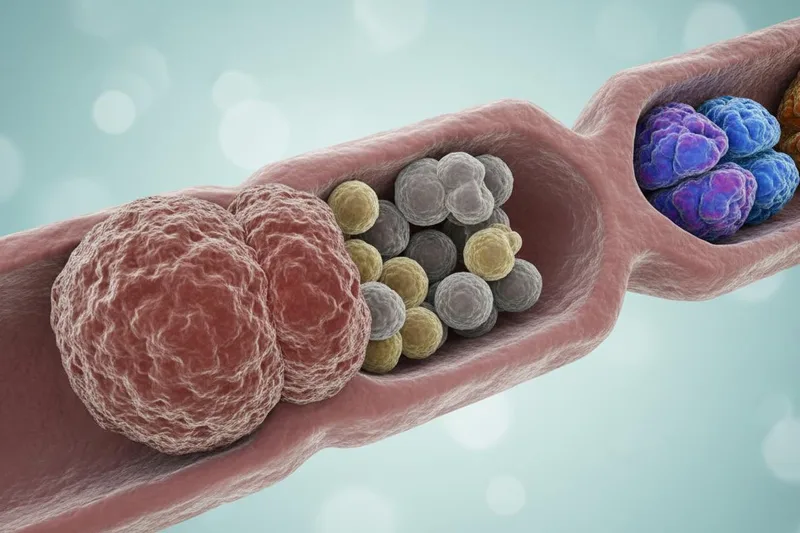
Oh, imagine what would happen if the blood flow to your brain suddenly stopped? It is a very dangerous situation. We call this an ischemic stroke . This is a medical emergency that can be life-threatening. This condition causes brain cells to die, and if that happens, the body functions that those cells control can be lost. Ischemic Stroke accounts for about 80% of all strokes in the world. Therefore, it is very important for you and your loved ones to know about this.
So, what are the symptoms of an ``Ischemic Stroke''?
The symptoms of an ischemic stroke can vary depending on the part of the brain affected. However, there are some common symptoms:
- A feeling of numbness or paralysis on one side of the face or body.
- Difficulty speaking, or complete loss of speech (Aphasia) .
- Speech becomes slurred and words cannot be pronounced properly (Dysarthria) .
- Inability to control the muscles on one side of the face.
- It's okay to suddenly lose or worsen your sense of smell, taste, touch, or hearing.
- Blurred vision or double vision (Diplopia) .
- Loss of body coordination, inability to grasp things properly, and stumbling (Ataxia) .
- Feeling dizzy.
- Nausea and vomiting.
- A stiff neck.
- Sudden changes in mood or personality.
- Feeling confused and restless.
- Having a seizure.
- Amnesia is the loss of memory.
- A sudden, severe headache.
- To lose consciousness and fall.
- Falling into a coma.
Warning signs - remember to BE FAST!
An ``Ischemic Stroke'' can have a variety of symptoms. To recognize if something like this is happening to you or someone you know, remember these words BE FAST .
- B - Balance: See if you suddenly lose your balance .
- E - Eyes: Look for sudden loss of vision in one or both eyes, or for any changes in vision.
- F - Face: Smile and see if one side of the face droops .
- A - Arms: Raise both arms. See if one arm droops abnormally or seems weak.
- S - Speech: See if the speech is slurred or if it is difficult to get the words right.
- T - Time: Time is very important - seek help immediately (if in Sri Lanka, call 1990) . If possible, note the time your symptoms started by looking at a watch or phone. Telling your doctor this time will help them choose the best treatment for you.
Every second counts! If you suspect a stroke, go to a hospital immediately without delay.
What causes an ``Ischemic Stroke''?
Simply put, an ``Ischemic Stroke'' occurs when something blocks the blood flow to your brain. Doctors call this ``Ischemia.'' ``Ischemia'' means that cells die because they don't get enough blood. When this happens to the brain, an ``Ischemic Stroke'' occurs. Most often, the main cause is a blood clot.
Blood clots can form in this way due to various health conditions. Some examples are:
- Atherosclerosis is when the arteries become narrow and stiff, obstructing blood flow. It's like dirt getting stuck in a water pipe.
- Blood clotting disorders.
- Atrial fibrillation is a disease in which the heart beats irregularly.
- Congenital heart defects such as holes in the heart (Atrial septal defects or Ventricular septal defects).
- A condition called ``Microvascular ischemic disease`` can occur when the small blood vessels in the brain become blocked.
What are the types of `(Ischemic Stroke)`?
There are two main types of ``Ischemic Stroke'':
1. Thrombotic strokes: This is when a blood clot forms inside the brain . Doctors call this process thrombosis.
2. Embolic strokes: This occurs when a blood clot (embolism) that forms elsewhere in the body (often in the heart) travels through the blood vessels and becomes lodged in an artery in the brain.
Let's also learn about the "mini stroke" called `(Transient Ischemic Attack - TIA)`
A `(Transient Ischemic Attack)` or `(TIA)` is like a stroke, but the symptoms go away after a short time (usually within 24 hours) . It is also called a ``mini-stroke``. But don't let it go because it is small. A `(TIA)` is often a strong warning sign before a larger, permanent stroke occurs . It is essential for someone who has had a `(TIA)` to seek emergency medical treatment as soon as possible.
Who is at higher risk of developing this?
Anyone can have an ``Ischemic Stroke''. But some people are at higher risk. They are:
- People over 65 years of age.
- People of African descent (this is not very relevant to Sri Lanka, but it's good to know).
- People who smoke or use other forms of tobacco or nicotine (such as vaping).
- People who use illegal drugs.
Also, people with certain health conditions are at higher risk:
- For those with high blood pressure (Hypertension) .
- For those with high blood cholesterol levels (Hyperlipidemia) .
- For those addicted to alcohol (`Alcohol use disorder`).
- For those with Type 2 Diabetes .
- There are studies that suggest that those who have previously had COVID-19 are also at some risk.
How do doctors diagnose this?
A doctor will only tell you for sure if you have an ``Ischemic Stroke`` after you have been given a ``Neurological exam`` and several other tests. If you are brought to the emergency room, the doctors there can diagnose this.
There are several tests you can do to confirm whether you have had an ``Ischemic Stroke``:
- `(CT scan)` (CT scan): This takes pictures of the brain.
- Electrocardiogram (EKG): The electrical activity of the heart is monitored.
- `(MRI)` (MRI): This can also take detailed pictures of the brain.
- Electroencephalogram (EEG): The brain's electrical wave pattern is monitored.
- Blood tests: Check for things like blood clotting problems and sugar levels.
What is the treatment for this?
The most important thing when treating an ``ischemic stroke'' is to restore blood flow to the brain as quickly as possible . Doctors do this quickly to reduce the risk of permanent brain damage and death.
Quick treatment methods
Two treatments that are often used are:
1. Thrombolytic therapy: These are drugs that thin the blood. Doctors usually only give these if the symptoms start within four and a half hours of the stroke. This is because they can increase the risk of dangerous internal bleeding.
2. Thrombectomy: This is a surgical procedure. The surgeon inserts a small, thin tube (catheter) into a vein somewhere else in your body (usually in your groin) and guides it to the blood clot in your brain. The clot is then either sucked out (like a `vacuum') or broken into pieces and removed.
Other treatments
You may need other treatments like:
- Blood thinners: These are called anticoagulants. These medications prevent your blood from clotting easily. Doctors may give you these medications after you have had blood thinners.
- Oxygen therapy: During a stroke, the brain doesn't get enough oxygen. So doctors can give you a device that goes through your nose and gives you extra oxygen. This makes it easier to breathe and helps restore oxygen to the brain.
- Blood sugar management: Doctors regularly check your blood sugar (blood glucose) levels to help your brain recover.
- Mild intentional hypothermia: Sometimes doctors can safely lower your body temperature slightly. This can help reduce brain damage during and after a stroke. However, this is not done often, only in special cases.
Should we also be aware of stroke rehab?
Stroke rehab is very important after a stroke. It gives you a lot of strength to face life again. It helps you adapt to the changes that have happened to your brain and body because of the stroke. You may need to regain your previous abilities or adapt to living with new disabilities. This can be done with the help of various therapists:
- Speech therapy: This helps improve speech skills, language, and muscle control that helps you speak, breathe, eat, and swallow.
- Physical therapy: This helps strengthen muscles, improve balance, and regain use of limbs.
- Occupational therapy: This helps you safely perform everyday tasks, especially tasks that require fine movements (e.g., buttoning a shirt, writing).
- Cognitive therapy: This helps improve mental skills such as memory, attention, and problem-solving skills.
How can we protect ourselves from this `(Ischemic Stroke)`?
Maintaining good overall health is the best way to reduce your risk of having an ischemic stroke. Try to do these things:
- Keep your blood pressure, cholesterol levels , and any health conditions you may have (like diabetes) well controlled.
- Eat a nutritious diet (such as the Mediterranean diet, which is high in vegetables, fruits, legumes, and whole grains) and maintain a healthy weight that suits you.
- Quit smoking completely and stay away from places where you breathe in cigarette smoke.
- Exercise regularly. Even something as simple as walking for 30 minutes a day is good.
- Limit or completely stop drinking alcohol .
See a doctor at least once a year (or as often as your doctor recommends) for a checkup. Many conditions that can lead to an ischemic stroke can develop over time and worsen without you even realizing it. Many people with high blood pressure and high cholesterol don't experience any symptoms. Your doctor can help you identify these warning signs early, manage them, and reduce your risk of a stroke later.
What is the prospect of recovery?
It is difficult to say a recovery rate that is suitable for everyone. `(Ischemic Stroke)` can be fatal and cause permanent disabilities. But not everyone has the same recovery time or expectation. The sooner treatment is received, the greater the chance of recovery.
Ischemic strokes usually have better outcomes than hemorrhagic strokes. But that doesn't mean your recovery will be easier, faster, or better.
How long will it take to heal?
Everyone's body responds differently to a stroke. What you can expect (the `prognosis`) depends on several factors:
- What type of ``Ischemic Stroke'' did you have?
- What parts of your brain did it affect?
- How quickly you received treatment.
- Your overall health.
Most people recover from a stroke within a few months. Most recovery occurs within the first three to six months after the stroke. However, symptoms and side effects can last for a year or more. A stroke can also cause permanent disability and changes in the way you use your body.
Your doctor will tell you what to expect. He or she will help you set recovery goals and expectations that are appropriate for your health and condition.
How do I take care of myself after a stroke?
Recovering and rehabilitating after a stroke is a lot of work. Your commitment and the support of your family are very important. Once you and your doctor have developed a treatment plan, follow it as closely as possible.
- Take your medications correctly and on time, especially if you are taking blood thinners. This is important to reduce the risk of future blood clots, and taking your medications as your doctor tells you will also help your body heal.
- Be sure to go to your rehab and other treatment appointments. Tell your therapists if anything makes you feel uncomfortable or unsafe. Rehabilitation is hard work, but you don't have to be in pain or discomfort all the time.
- Think about your mental health too. Depression and anxiety are common after a stroke. Feeling sad, frustrated, or angry doesn't mean you're weak or defeated. Those feelings are normal. Your mental health is just as important as your physical health. If you're struggling to make up your mind about something during your recovery, talk to your doctor or a mental health counselor . It can be a big help.
What foods and drinks should I eliminate ?
Your doctor may tell you to add or remove certain foods from your diet. He or she may also tell you to make small changes to your daily routine to help manage your health conditions, or to reduce your risk of developing another blood clot after an ischemic stroke.
The foods and drinks that are usually advised to be eliminated or reduced are:
- Foods high in salt (sodium). (pickles, dried fish, sauces, packaged foods)
- Foods high in sugar (sweetened drinks, cakes, biscuits, toffee)
- Highly processed foods ( such as sausages, ham, meatballs)
- Fried foods and foods containing trans fats (French fries, some types of margarine)
- Alcohol.
- Excessive caffeine intake (it is best to limit tea and coffee to a few cups a day)
When will I need to go to emergency care again?
If you feel like you are having another stroke (as described in the BE FAST ) call 911 (the emergency ambulance service) immediately, or go to the nearest emergency room. The risk of serious complications and death is even higher if you have another stroke. Do not delay seeking help or going to the emergency room.
A person who has had an ischemic stroke is at increased risk of developing more serious complications. For example:
- Pneumonia
- Blood clots in the deep veins of the legs (Deep Vein Thrombosis - DVT)
- Pulmonary Embolism
- Heart attack
- Seizures
If you experience any symptoms of these complications (e.g., difficulty breathing, chest pain, swelling in a leg), you should call emergency services or go to the emergency room immediately.
What questions should I ask my doctor?
When you see your doctor, don't forget to ask these questions:
- What caused me to have a stroke?
- What are the best things I can do to reduce my risk of having another stroke?
- Will this have any long-term effects on me?
- How long will I need rehabilitation (`Stroke rehab`)?
- What changes do I need to make in my daily life (eating, exercising, working out)?
Finally, things to remember
A stroke can be a scary, life-changing event. The best way to prevent an ischemic stroke is to recognize the warning signs of a stroke and control your risk factors before it happens. See your doctor at least once a year and get help controlling any conditions that increase your risk of stroke (such as high blood pressure, diabetes, or cholesterol).
If you have a stroke, it can feel like your whole world has changed. But you are still yourself. Recovery and rehabilitation are hard work, and can be a long journey. Some days may be harder than others. But don't forget to celebrate the small victories you have, the milestones you reach. You are not alone, and you have family, friends, doctors, and therapists to help you.
` Stroke, ischemic stroke, blood clot in the brain, symptoms, BE FAST, stroke treatment, stroke prevention


💬 Comments (0)
No comments yet. Be the first to share your thoughts here.
Add Your Comment