

Do you catch colds easily, or does it take you a very long time to get better? Maybe your doctor told you that your body has a hard time fighting off germs because of a weak immune system or a health condition. When your body needs extra help to stay strong, doctors use a special treatment called IVIG.
IVIG is a safe and helpful medical treatment designed to boost your body's natural defenses. Let us take a simple, step-by-step look at what IVIG is, how it works, and what you can expect during the process.
Key Takeaways About IVIG
- What it is: IVIG stands for Intravenous Immunoglobulin, which gives you healthy antibodies from donors.
- Who needs it: People with weak immune systems or certain health conditions use it to fight infections.
- How it works: The medicine goes slowly into your vein, giving your body extra strength to stop germs.
- Side effects: Most side effects are mild, such as a mild headache or feeling tired for a short time.
- Your care team: Always talk openly with your doctor or nurse if you feel any discomfort during your visit.
Know your body mass index (BMI) and weight classification
What Is IVIG? Let Us Understand It Simply
Let us break down this medical name so it is very easy to understand. IVIG stands for Intravenous Immunoglobulin. While the name sounds complicated, the idea is quite simple.
Intravenous (IV): This simply means giving medicine directly into a vein. If you have ever received fluids through a drip in the hospital, this works the exact same way.
Immunoglobulin: These are your body's antibodies. Think of your immune system as a brave army that protects your country from danger. Antibodies are the special soldiers in that army that track down and fight harmful germs like viruses and bacteria.
In short, IVIG is a collection of healthy antibodies taken from many healthy donors and given to you through a vein.
Imagine your body's immune army is feeling weak and tired. It cannot fight off new viruses or bacteria on its own. When you receive IVIG, a fresh team of trained soldiers arrives to help your body. This extra support gives you the strength you need to stay healthy.
Who Needs IVIG Treatment?
IVIG treatment is usually needed when your immune system does not work the way it should. This weakness can happen for many different reasons, such as a long-term health condition or the side effects of other medical treatments.
The table below shows common reasons why a doctor might recommend IVIG treatment.
| Category | Examples |
|---|---|
| Conditions That Weaken Immunity |
|
| Treatments That Lower Immunity |
|
Important Note: Only your doctor can decide if IVIG is the right choice for you. If you have any questions about your immune health, talk openly with your doctor.
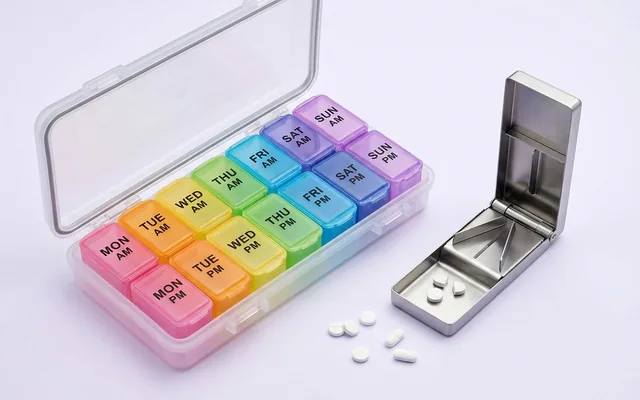
Airtight double-lock weekly medication organizer with removable day pods and a surgical stainless-steel tablet cutter for accurate half-tablet splitting and adherence.
View Clinical Details →How Does IVIG Work Inside Your Body?
The way IVIG works is fascinating. It is very similar to a blood transfusion, but instead of whole blood, you receive concentrated antibodies.
Doctors make IVIG medicine by collecting plasma from thousands of healthy people and purifying it. Because it comes from many donors, the final liquid contains many different antibodies that can fight off various germs.
Imagine a busy city street covered in thick mud after a heavy flood. The local workers cannot clean the entire city by themselves. When extra trained workers arrive from another town, they help clean up the streets much faster. IVIG works the same way by teaming up with your own antibodies to clear out harmful germs and protect your health.
Do You Need to Prepare Before IVIG?
Most of the time, you do not need any special preparation before your IVIG session. You can eat your normal meals and take your regular daily medicines.
Sometimes, your doctor might order simple blood tests to check your overall health before you begin. The best rule is to ask your doctor if you need to change any of your daily habits before your treatment day.
What Should You Expect on the Day of IVIG?
You will usually receive IVIG at a hospital, clinic, or infusion center. A nurse or doctor will place a small plastic tube called a cannula into a vein in your arm and connect it to the IV bag.
The infusion takes a few hours to complete. Doctors do not rush the medicine into your body because a slow flow helps prevent side effects. Relaxing and taking your time is a normal part of the process.
Bring something fun to do, such as a book, a tablet to watch a movie, or headphones to listen to music. This helps pass the time quickly and comfortably.
Your nurses will check on you often during the infusion. Never hesitate to speak up if you feel any strange discomfort.
What Are the Benefits of IVIG Treatment?
IVIG is a safe and trusted way to manage low immunity. Doctors even consider it safe for pregnant mothers, and you can often receive it alongside your other medicines.
The biggest benefit is that it gives your immune system a much-needed boost. You will likely catch fewer infections, and if you do get sick, your body will recover much faster.
Is IVIG Risky? What Are the Side Effects?
IVIG is a very safe treatment with a low risk of serious problems. Research shows that severe side effects happen in fewer than five percent of patients.
However, some mild side effects can occur. Most of these are short-lived and easy to manage.
| Side Effect Type | Description |
|---|---|
| Common Mild Side Effects | Mild headache, nausea, low fever, muscle aches, or slight back discomfort. |
| Rare Serious Side Effects | Allergic skin rashes, sudden blood pressure changes, kidney stress, or breathing trouble. |
Most mild side effects go away on their own within a few hours or days after your infusion ends.
How Long Do You Need This Treatment?
Every person has a unique treatment plan. Some people only need a single IVIG session to feel better. Many others need regular treatments every week or every month.
Your doctor will decide how many sessions you need based on your health condition and how well your body responds to the medicine.
When to Call Your Doctor or Seek Emergency Care
If you experience severe shortness of breath, chest pain, a high fever, sudden dizziness, or signs of a severe allergic reaction during or after your infusion, tell your nurse right away. If you are at home and experience a medical emergency, call 911 (US/Canada) or 999 (UK) right away, or go to the nearest emergency room.
Always tell your medical team about any unusual feelings right away. Your doctor can adjust the infusion speed or dose for your next visit to keep you comfortable.


No comments yet. Be the first to share your question or experience below.