

Have you ever leaked a few drops of urine when you laughed, coughed, or lifted something heavy? If so, you are definitely not alone. Millions of people experience this exact issue every single day, yet many feel too embarrassed to talk about it.
Today, we are going to talk about a simple yet powerful set of movements known as Kegel exercises. Whether you want to improve bladder control, recover after childbirth, or support your long-term health, understanding how your pelvic floor works is one of the best things you can do for your body.
Key Takeaways.
- Kegel exercises strengthen your pelvic floor muscles, which act like a supportive hammock for your internal organs.
- They help prevent and manage urinary incontinence, pelvic organ prolapse, and accidental leaks.
- Both women and men can benefit from doing Kegels correctly and consistently.
- Consistency matters more than intensity. Aim for short daily sets rather than straining your muscles.
- Always consult a doctor if you feel sharp pain or have trouble finding the right muscles.
What Are Kegel Exercises and Where Are Your Pelvic Floor Muscles?
Simply put, Kegel exercises are workouts designed to strengthen your pelvic floor muscles. But where exactly are these muscles, and what do they do?
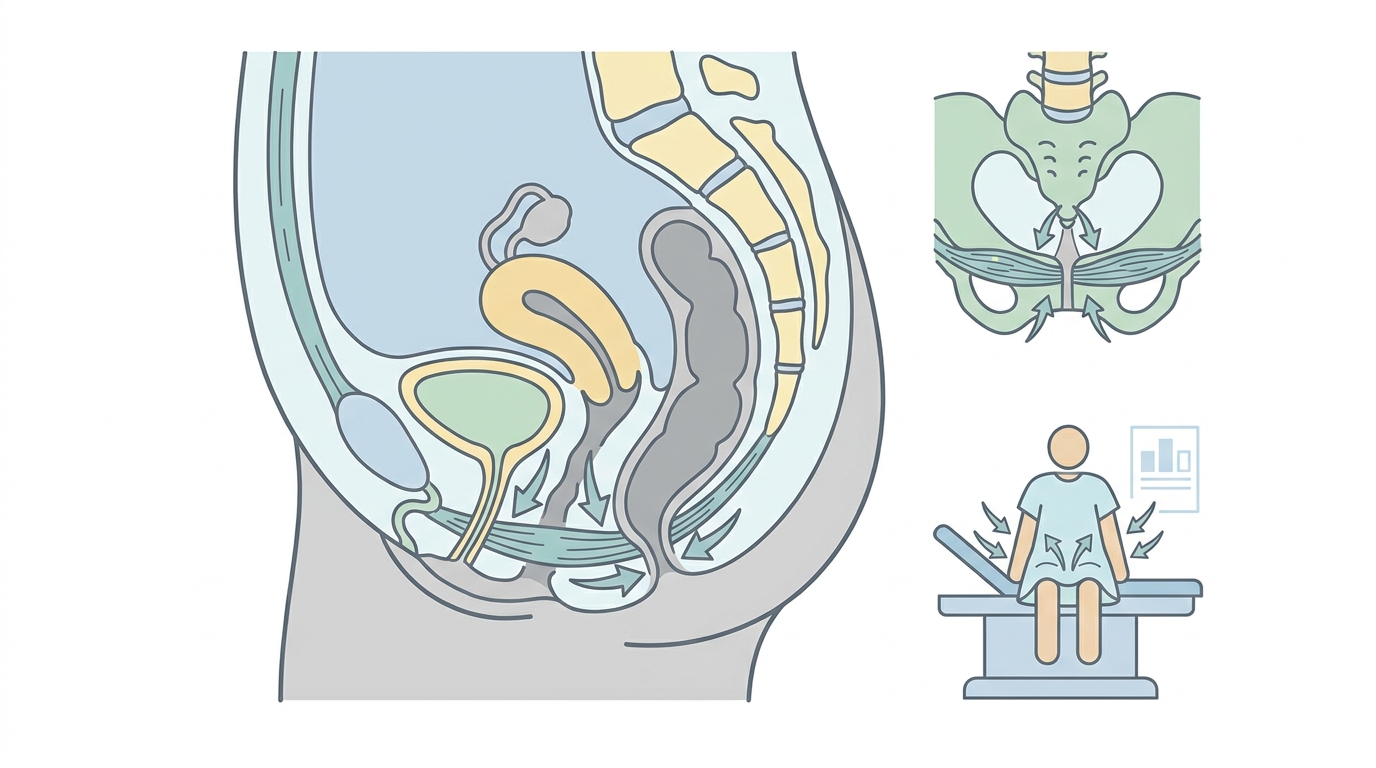
Think of your lower belly as having a special hammock of muscles at the very bottom. This pelvic floor holds your bladder, bowels, and reproductive organs firmly in place. Without this strong hammock, your organs would not have the proper support they need.
These muscles do much more than just hold things up. They help you control when you use the bathroom, support sexual health, and keep your core stable. When you do Kegel exercises, you intentionally squeeze and relax these pelvic floor muscles. Just like lifting dumbbells builds your arm muscles, Kegels build strength in your pelvic floor.
What Are the Benefits of Kegel Exercises?
Doing these exercises regularly can bring relief from several common health issues. Here are the main benefits you can expect:
- Urinary Incontinence: If you leak urine when coughing, sneezing, or exercising, Kegels help close the valve tightly.
- Urge Incontinence: They help you manage that sudden, strong urge to rush to the bathroom.
- Fecal Incontinence: They improve bowel control to prevent accidental stool leaks.
- Pelvic Organ Prolapse: They support organs that might otherwise feel like they are slipping downward into the vaginal canal.
Beyond these medical benefits, Kegels can also improve your overall sexual health and enhance physical pleasure. Almost everyone can benefit from adding these simple movements to their daily routine.
What Actually Happens Inside Your Body?
Think of your pelvic floor muscles as needing to stay in good, firm shape. We know that other muscles in our bodies need regular use and exercise to stay strong. If you do not use them or if they weaken, problems will start to appear.
When your pelvic floor muscles grow weak, you lose control over your bladder and bowels. You might even experience accidental gas leaks. These muscles can weaken due to aging, pregnancy, childbirth, or certain surgeries.
Who Actually Needs to Do Kegel Exercises?
Any pressure or heavy strain on your pelvic floor can weaken those muscles over time. When the muscles weaken, they give less support to your organs. Here are the most common situations where pelvic floor weakness happens:
- Pregnancy: The extra weight of the baby places constant, heavy pressure on these muscles.
- Childbirth: Both vaginal delivery and Cesarean sections can stretch or strain the pelvic area.
- Obesity or Overweight: Having a high body mass index places extra daily stress on your pelvic floor.
- Pelvic Surgery: Operations in your lower abdomen can affect muscle strength.
- Aging: Natural aging causes all muscles in the body, including the pelvic floor, to lose some strength.
- Constipation and Chronic Cough: Straining hard during bowel movements or coughing for a long time pushes downward on your pelvic floor.
- High-Impact Exercises: Running, jumping, or lifting heavy weights without proper form can strain these muscles.
Remember one important rule: Kegels are not right for everyone. Sometimes, doing too many Kegels or doing them when your muscles are already too tight can cause problems. Always talk to your doctor for personal guidance.
Pregnancy and Kegel Exercises.
If you are pregnant, doing Kegel exercises can make your delivery much smoother. This happens because you learn how to control and relax your pelvic muscles during labor. Here are more ways they help during pregnancy:
- They improve bladder control when your growing baby presses against your bladder.
- They build strength to support the extra weight in your belly.
- They reduce frequent urine leaks.
- They help you push effectively during a vaginal delivery.
- They speed up healing in the perineal area after birth.
How Do I Find My Pelvic Floor Muscles?
Finding the right muscles is the hardest part for many people. Here are three simple ways to locate your pelvic floor:
1. Stop the flow mid-stream: Next time you use the toilet, try to stop your urine stream halfway through. The muscles you use to do this are your pelvic floor muscles. Do this only once to find the muscles, not every time you pee. Stopping urine often can lead to infections.
2. Imagine stopping gas: Think about the muscles you use when you try to hold in gas. Those are the exact same pelvic floor muscles.
3. Use a clean finger: Wash your hands well, insert one finger gently into your vagina, and try to squeeze your muscles around your finger. You should feel a gentle pressure closing around it.
Think of a claw machine at a game arcade. The claw comes down, grabs a prize, closes tightly, and lifts it up. That lifting sensation is exactly what you should feel when you squeeze your pelvic muscles.
How Do You Do Kegel Exercises Correctly?
Doing Kegels is very straightforward. You simply pull up your pelvic floor muscles, hold them for a few seconds, and then let them relax. Start with a few repetitions and build up over time. Do these exercises two or three times a day.
Follow these steps to do them right:
1. First, find your pelvic floor muscles using the tricks mentioned above.
2. Squeeze those muscles tightly and hold them for about 3 seconds. Breathe normally. Do not tighten your stomach, buttocks, or thigh muscles. Only your pelvic floor should work.
3. Next, relax the muscles completely for 3 seconds. This completes one single Kegel.
4. Try to repeat this 10 times in a row. If 10 is too hard at first, start with 5 and work your way up.
5. Do one set in the morning and one set at night.
6. As you get stronger, slowly increase your counts. For example, hold for 5 seconds instead of 3, and relax for 5 seconds.
7. Increase your total count to 10 repetitions per set.
8. Finally, increase your routine to three sets a day.
The best target to aim for is holding each squeeze for 5 seconds, relaxing for 5 seconds, doing 10 repetitions in a row, and repeating that three times every day.
How Do I Know If I Am Doing Kegels Correctly?
When you do Kegel exercises, nothing should hurt. If your stomach, lower back, or head hurts, you are likely holding your breath or tightening the wrong muscles.
If you find it hard to locate the muscles or feel any pain or discomfort, you might be doing them incorrectly. In that case, asking a doctor or physical therapist for help is a smart choice.
When you do Kegels correctly, you will notice your symptoms improving after a few weeks. For example, you will leak urine much less often.
How Do I Know If My Pelvic Floor Is Strong?
If your pelvic floor is strong, you will likely notice these signs:
- Accidental urine or stool leaks happen rarely or not at all.
- You no longer feel sudden, uncontrollable urges to rush to the bathroom.
- You feel confident that you can control your bladder and bowels.
- You can perform your daily Kegel exercises with ease.
How Hard Should I Squeeze During Kegels?
Squeeze hard enough that you can clearly feel the muscles working. However, make sure you do not tighten your inner thighs, back, buttocks, or stomach muscles. If those muscles tighten, you are not doing the exercise correctly.
Also, never hold your breath until you feel dizzy. Breathe normally while you do your Kegels. Counting out loud can help keep your breathing steady.
What Is the Best Position for Kegel Exercises?
You can do these exercises while lying down, sitting in a chair, or standing up. If your pelvic floor muscles are very weak, lying down is usually the easiest way to start.
Choose whatever position feels most comfortable for you. In every position, focus on the core action of squeezing and lifting your pelvic floor upward.
How Long Should I Hold a Kegel Squeeze?
When you first start, hold the squeeze for whatever length of time feels easy for you—such as 3 seconds, followed by 3 seconds of rest, repeated 5 times.
As you get stronger, slowly increase your hold time. Aim for a comfortable routine of holding for 5 seconds, resting for 5 seconds, doing 10 repetitions, and practicing at least twice a day.
What Is the Best Kegel Exercise?
There is no single "best" Kegel exercise. Every proper Kegel you do helps build strength. Just choose the position that feels best for your body and practice regularly.
What Should I Do If Kegels Are Too Hard?
If you find Kegels difficult, your doctor may suggest biofeedback training or electrical stimulation to help you learn.
During biofeedback, a doctor places a small sensor near your vaginal area. As you try to do a Kegel, a screen shows you whether you are using the right muscles.
Electrical stimulation helps your body feel what a proper contraction is like. The doctor sends a tiny, safe electric current to your pelvic muscles, which makes them gently contract so you can recognize the sensation.
If you struggle with Kegels or cannot find the right muscles, do not feel embarrassed to speak with a doctor. They are trained to help you.
What Are Kegel Balls?
Kegel balls are small, round devices that you wear inside your vagina. Sometimes people call them Kegel exercisers. These devices help make your pelvic floor work harder to hold them in place.
You insert them much like a tampon. As you go about your day, your pelvic floor muscles naturally contract to keep the ball from slipping out. You can start by wearing them for just a few minutes a day and increase the time slowly.
How Long Until I See Results?
If you do your exercises every single day without skipping, you can usually expect to see results within 6 to 8 weeks. The exact time depends on how consistent you are and how weak your muscles were when you started.
Can Men Also Do Kegel Exercises?
Yes, absolutely! Anyone can benefit from Kegel exercises. For men, Kegels offer several important health benefits:
- They help manage urinary incontinence caused by prostate surgery or aging.
- They help reduce pelvic pain and swelling related to prostatitis and benign prostatic hyperplasia (BPH).
- They improve sexual health and control over erections and ejaculation.
Take-Home Message.
Kegel exercises are a fantastic way to build strength in your pelvic floor muscles. Many different factors can cause these muscles to weaken over time. Symptoms like accidental leaks or sudden bathroom urges mean your pelvic floor needs extra care.
Take it slow, practice every day, and build up your routine gradually. If anything feels confusing or if you are unsure whether you are doing them right, talk to a doctor. Your health is important and worth taking care of!
When to Call a Doctor.
Seek medical advice right away if you experience severe pelvic pain, blood in your urine, sudden loss of bladder or bowel control, or signs of a serious infection. If you live in the US or Canada, call 911 in an emergency. If you live in the UK, call 999 or visit your nearest Emergency Department (A&E).
Comparison of Pelvic Floor Support Methods.
| Method. | How It Works. | Best For. |
|---|---|---|
| Standard Kegels. | Voluntary squeeze and release of pelvic muscles. | General strengthening and daily maintenance. |
| Biofeedback. | Sensors display muscle activity on a screen. | People who struggle to find the correct muscles. |
| Kegel Balls. | Weighted vaginal inserts that encourage muscle hold. | Adding extra resistance during daily activities. |
A Note from Dr. Priya Sammani.
Taking care of your pelvic floor is an essential part of your lifelong health and well-being. If you ever feel uncertain about your symptoms or need personalized guidance on starting pelvic floor exercises, do not hesitate to reach out to your doctor or physical therapist. We are always here to help you live a healthier, more comfortable life.


💬 Comments (0)
No comments yet. Be the first to share your thoughts here.
Add Your Comment