
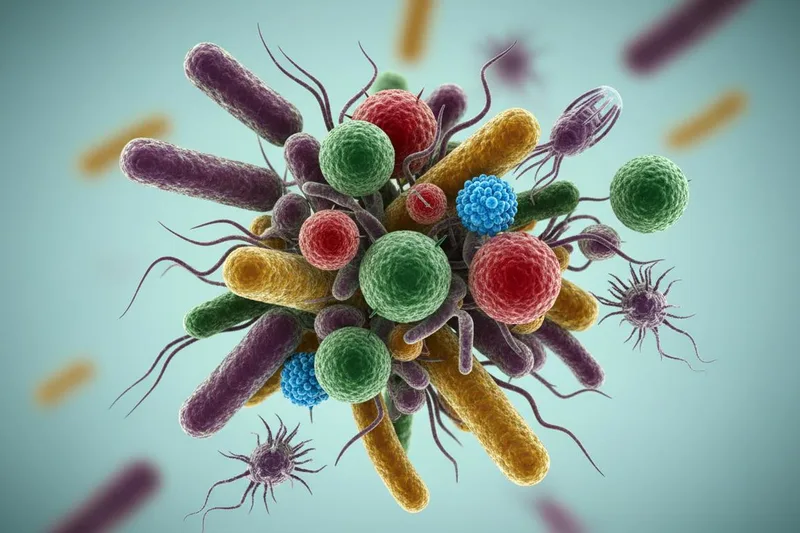
Let's simply learn about these little creatures that make us sick - 'Germs'!

Let's simply learn about these little creatures that make us sick - 'Germs'!

Your body is like an amazing machine, isn't it? It works so hard all day long! It digests food, pumps blood and oxygen throughout the body, sends messages from the brain, and so much more! But then, there are also some small, sneaky enemies that can make our bodies sick. They are what we call 'germs'. Shall we talk about this simply, in a way that you can understand? Then there is nothing to be afraid of, and you can be aware.

What exactly are these 'germs'?

Some young children may think that 'germs' are little worms or something like that. But actually, 'germs' are very, very small organisms. They are so small that we can't see them with our eyes. We have to use a microscope to see them. They sneak into our bodies very subtly, without us noticing. In fact, we don't even realize they've entered our bodies. It's only when we get symptoms of illness, like a fever or a cold, that we realize, "Oh, it feels like someone's attacked us!"

What types of 'germs' are there?

Germs are everywhere in the world, in all kinds of places. They can infect plants, animals, and people. Sometimes they make us sick.

There are four main types of 'germs':

What is Bacteria?

These are very small, single-celled organisms. They get the nutrients they need to survive from their environment. Sometimes that environment is our human body. Bacteria can grow outside or inside the body and cause infections. For example, ear infections, sore throats (such as tonsillitis or strep throat), cavities, and pneumonia are all caused by bacteria.

But, not all bacteria are bad. Some bacteria are actually good for our bodies - they help keep our bodies in balance. These good bacteria live in our intestines. They help our bodies absorb the nutrients in the food we eat and help us excrete the rest as waste. Imagine, without these helpful 'germs', no matter how good the food we eat, we wouldn't be able to get the most out of it! Not only that, but scientists use some types of bacteria to make medicines and vaccines.

So what are viruses?

These 'germs' must enter a living cell to grow and reproduce. Viruses cannot live for long without being inside a living thing (such as a plant, animal, or human). The living thing that a virus lives in is called a host. When viruses enter the human body, they spread and make people sick. Many diseases, such as chickenpox, measles, and the common cold, are caused by viruses. You may remember that COVID-19 is also a disease caused by a virus.

Shall we also learn about fungi?

They are multi-celled, plant-like organisms. But unlike other plants, fungi cannot make their own food from soil, water, or air. Instead, fungi get their nutrition from plants, people, and animals. They like to live in warm, moist places. Most fungi are not dangerous to healthy people. An example of a fungal disease is athlete's foot. It is a condition that causes itchy bumps between the toes of some people.

Who are Protozoa?

These are single-celled organisms. Protozoa (`(Protozoa)`) love moisture. They often spread diseases through water. Some types of protozoa cause intestinal infections. Then symptoms such as diarrhea, nausea, and stomach pain occur. That is why it is very important to drink clean water.

What do these 'germs' do once they enter the body?

When germs enter our bodies, they become established, as if "sitting right in." They use up our nutrients and energy. They can also produce toxins. These toxins are proteins that act like poisons. These toxins are what cause the symptoms of common infections, such as fever, runny nose, skin rashes, cough, vomiting, and diarrhea.

So, how do doctors find out what these germs are doing? They look a little deeper. They take samples of your blood, urine, or other bodily fluids and look at them under a microscope or send them to a laboratory for further testing. Then doctors can tell exactly what germs are in your body and how they're making you sick.

How do we protect ourselves from these 'germs'?

Many germs are spread through the air. That means not only when you sneeze or cough, but also when you breathe. In addition, germs can be spread through sweat, spit, and saliva. Some germs can be spread from one person to another by touching something that has germs on it. For example, if you shake hands with someone who has a cold and then touch your nose with that hand, you could get sick.

So, staying away from things that can spread germs is the best way to protect yourself.

Here are the things you need to do:

Hand washing: the simplest and best protection!

Washing your hands thoroughly and regularly is the best way to fight germs. This is the most important thing, don't forget it.

  • Always wash your hands after you cough or sneeze.
  • Wash your hands before eating and before preparing food.
  • Be sure to wash your hands after using the toilet.
  • Wash your hands after touching animals and playing with pets.
  • Wash your hands after playing outside.
  • Wash your hands after visiting a sick relative or friend.

There's a proper way to wash your hands. Use warm or cold water and soap, rub your hands together, and wash for at least 20 seconds. That's about the time it takes to sing "Happy Birthday" twice.

Cover your mouth and nose when you sneeze or cough!

Cover your nose and mouth when you sneeze, and cover your mouth when you cough. This will help reduce the spread of germs to others. Use a tissue if possible, and then throw it away properly. If you don't have a tissue, cough or sneeze into your elbow, not your hands!

Get Immunizations/Vaccinations!

No one likes to get injections, but these vaccines help strengthen your immune system and help you fight germs. That's why it's important to get your shots on time.

Take care of your immune system!

Help keep your immune system strong and healthy by eating a nutritious diet, exercising daily, and getting plenty of sleep. All of this prepares you to fight off germs that can cause illness.

Take-Home Message from What We've Been Talking About

Okay, so we've talked a lot about 'germs' now. Simply put, here are some things to remember:

  • Germs are very small organisms that can make us sick.
  • There are different types of 'germs', and their effects vary.
  • Simple hygiene habits like washing your hands go a long way in protecting yourself from germs. This is the most important thing!
  • Getting vaccinated and living a healthy lifestyle strengthens our immune system.
  • Now that you know about 'germs', don't be afraid, work smart and aware.

You may get a cold or flu every now and then. But now you know how to control these sneaky 'germs' most of the time. Stay healthy!


` Germs, bacteria, viruses, fungi, protozoa, hand washing, immunity, prevention

⚠️ Important: The medical articles and information on Nirogi Lanka are for general awareness only, and are by no means a substitute for professional medical advice, diagnosis, or treatment. For any medical problem you have, consult a qualified physician immediately.

💬 Comments (0)

No comments yet. Be the first to share your thoughts here.

Add Your Comment

Please calculate: 6 + 6 =
Let's simply learn about these little creatures that make us sick - 'Germs'!
Root of the MatterMay 29, 2026

Let's simply learn about these little creatures that make us sick - 'Germs'!

Your body is like an amazing machine, isn't it? It works so hard all day long! It digests food, pumps blood and oxygen throughout the body, sends messages from the brain, and so much more! But then, there are also some small, sneaky enemies that can make our bodies sick. They are what we call 'germs'. Shall we talk about this simply, in a way that you can understand? Then there is nothing to be afraid of, and you can be aware.

What exactly are these 'germs'?

Some young children may think that 'germs' are little worms or something like that. But actually, 'germs' are very, very small organisms. They are so small that we can't see them with our eyes. We have to use a microscope to see them. They sneak into our bodies very subtly, without us noticing. In fact, we don't even realize they've entered our bodies. It's only when we get symptoms of illness, like a fever or a cold, that we realize, "Oh, it feels like someone's attacked us!"

What types of 'germs' are there?

Germs are everywhere in the world, in all kinds of places. They can infect plants, animals, and people. Sometimes they make us sick.

There are four main types of 'germs':

What is Bacteria?

These are very small, single-celled organisms. They get the nutrients they need to survive from their environment. Sometimes that environment is our human body. Bacteria can grow outside or inside the body and cause infections. For example, ear infections, sore throats (such as tonsillitis or strep throat), cavities, and pneumonia are all caused by bacteria.

But, not all bacteria are bad. Some bacteria are actually good for our bodies - they help keep our bodies in balance. These good bacteria live in our intestines. They help our bodies absorb the nutrients in the food we eat and help us excrete the rest as waste. Imagine, without these helpful 'germs', no matter how good the food we eat, we wouldn't be able to get the most out of it! Not only that, but scientists use some types of bacteria to make medicines and vaccines.

So what are viruses?

These 'germs' must enter a living cell to grow and reproduce. Viruses cannot live for long without being inside a living thing (such as a plant, animal, or human). The living thing that a virus lives in is called a host. When viruses enter the human body, they spread and make people sick. Many diseases, such as chickenpox, measles, and the common cold, are caused by viruses. You may remember that COVID-19 is also a disease caused by a virus.

Shall we also learn about fungi?

They are multi-celled, plant-like organisms. But unlike other plants, fungi cannot make their own food from soil, water, or air. Instead, fungi get their nutrition from plants, people, and animals. They like to live in warm, moist places. Most fungi are not dangerous to healthy people. An example of a fungal disease is athlete's foot. It is a condition that causes itchy bumps between the toes of some people.

Who are Protozoa?

These are single-celled organisms. Protozoa (`(Protozoa)`) love moisture. They often spread diseases through water. Some types of protozoa cause intestinal infections. Then symptoms such as diarrhea, nausea, and stomach pain occur. That is why it is very important to drink clean water.

What do these 'germs' do once they enter the body?

When germs enter our bodies, they become established, as if "sitting right in." They use up our nutrients and energy. They can also produce toxins. These toxins are proteins that act like poisons. These toxins are what cause the symptoms of common infections, such as fever, runny nose, skin rashes, cough, vomiting, and diarrhea.

So, how do doctors find out what these germs are doing? They look a little deeper. They take samples of your blood, urine, or other bodily fluids and look at them under a microscope or send them to a laboratory for further testing. Then doctors can tell exactly what germs are in your body and how they're making you sick.

How do we protect ourselves from these 'germs'?

Many germs are spread through the air. That means not only when you sneeze or cough, but also when you breathe. In addition, germs can be spread through sweat, spit, and saliva. Some germs can be spread from one person to another by touching something that has germs on it. For example, if you shake hands with someone who has a cold and then touch your nose with that hand, you could get sick.

So, staying away from things that can spread germs is the best way to protect yourself.

Here are the things you need to do:

Hand washing: the simplest and best protection!

Washing your hands thoroughly and regularly is the best way to fight germs. This is the most important thing, don't forget it.

  • Always wash your hands after you cough or sneeze.
  • Wash your hands before eating and before preparing food.
  • Be sure to wash your hands after using the toilet.
  • Wash your hands after touching animals and playing with pets.
  • Wash your hands after playing outside.
  • Wash your hands after visiting a sick relative or friend.

There's a proper way to wash your hands. Use warm or cold water and soap, rub your hands together, and wash for at least 20 seconds. That's about the time it takes to sing "Happy Birthday" twice.

Cover your mouth and nose when you sneeze or cough!

Cover your nose and mouth when you sneeze, and cover your mouth when you cough. This will help reduce the spread of germs to others. Use a tissue if possible, and then throw it away properly. If you don't have a tissue, cough or sneeze into your elbow, not your hands!

Get Immunizations/Vaccinations!

No one likes to get injections, but these vaccines help strengthen your immune system and help you fight germs. That's why it's important to get your shots on time.

Take care of your immune system!

Help keep your immune system strong and healthy by eating a nutritious diet, exercising daily, and getting plenty of sleep. All of this prepares you to fight off germs that can cause illness.

Take-Home Message from What We've Been Talking About

Okay, so we've talked a lot about 'germs' now. Simply put, here are some things to remember:

  • Germs are very small organisms that can make us sick.
  • There are different types of 'germs', and their effects vary.
  • Simple hygiene habits like washing your hands go a long way in protecting yourself from germs. This is the most important thing!
  • Getting vaccinated and living a healthy lifestyle strengthens our immune system.
  • Now that you know about 'germs', don't be afraid, work smart and aware.

You may get a cold or flu every now and then. But now you know how to control these sneaky 'germs' most of the time. Stay healthy!


` Germs, bacteria, viruses, fungi, protozoa, hand washing, immunity, prevention

⚠️ Important: The medical articles and information on Nirogi Lanka are for general awareness only, and are by no means a substitute for professional medical advice, diagnosis, or treatment. For any medical problem you have, consult a qualified physician immediately.

💬 Comments (0)

No comments yet. Be the first to share your thoughts here.

Add Your Comment

Please calculate: 6 + 6 =