

You've probably heard the word 'chemo' or 'chemotherapy', right? You've probably heard a friend or relative talking about it when they're being treated for cancer. It's normal to feel a little scared or nervous when you hear this word. But today, let's talk about what chemotherapy is, what happens with it, and what you should or shouldn't be afraid of, in a simple way that you can understand. Then you'll be able to get a better understanding of it.
What exactly is chemotherapy?
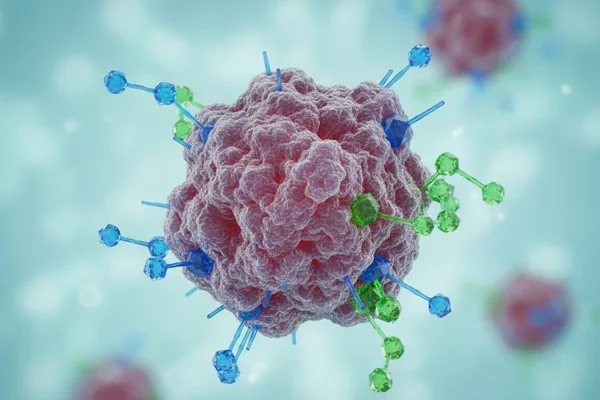
Simply put, chemotherapy is a special type of medicine used to destroy cancer cells. It is also called 'chemo' for short. These are very powerful drugs. To be precise, 'chemo' means chemical, and 'therapy' means treatment. So, this is a treatment that uses chemicals.
There are times when these drugs are used alone. But most often, doctors use a combination of several types of chemotherapy drugs. This is done to attack cancer cells from different directions and completely destroy them. It is like attacking an enemy from several directions rather than just one. The combination of drugs given depends on factors such as the type of cancer and how far it has spread.
Let's take a look at how cancer develops?
To understand this, we first need to know a little about the cells in our bodies. Our bodies are made up of billions of tiny cells. These cells divide and multiply in a regular pattern, and old cells die.
Imagine that you have a garden at home. In that garden, along with beautiful flowers, there are also weeds that can harm it. That's how it is inside our bodies. Cancer is when some cells in our bodies start dividing uncontrollably and too quickly. These abnormally dividing cells form tumors. Not all tumors are cancer, but cancer cells can invade other healthy tissues and spread from one part of the body to another (metastasis).
How does chemotherapy work?
Now you may be wondering, 'How do these chemo drugs identify and kill only cancer cells?' Chemo drugs mainly target cells that are dividing very rapidly. Cancer cells are a type of cell that divides very quickly. So chemo drugs find these rapidly dividing cancer cells and destroy them, or stop them from dividing further.
But there's something else here. In our bodies, there are both cancer cells and healthy cells that divide rapidly. For example:
- The cells at the roots of our hair (hair follicles)
- Cells that line the inside of the mouth and intestines
- Blood cells formed in the bone marrow
Chemotherapy drugs can also harm healthy, rapidly dividing cells, as they mix with cancer cells. That's why chemotherapy causes side effects. We'll talk about that later.
In what cases is chemotherapy used?
Chemotherapy is used for various purposes.
- Curative: Some types of cancer can be completely cured using chemotherapy alone or in combination with other treatments (such as surgery and radiation therapy).
- Control cancer: In cases where the cancer cannot be completely cured, chemotherapy can help stop it from spreading further, or reduce the size of the tumor and keep the disease under control. This allows the patient to live longer.
- Palliative Care: When cancer has spread and is difficult to cure, chemotherapy is used to reduce symptoms such as pain and difficulty breathing, and to make daily life a little easier. This is called palliative care .
- Before surgery (Neoadjuvant Chemotherapy): Sometimes chemotherapy is given before a cancerous tumor is removed surgically to shrink it. This makes surgery easier and more successful. This is called neoadjuvant chemotherapy .
- After surgery (Adjuvant Chemotherapy): After a cancerous tumor has been removed through surgery, chemotherapy is also given to destroy any small cancer cells that may still be left in the body, which we cannot see. This is done to reduce the risk of the cancer coming back. This is called adjuvant chemotherapy .
The most important thing is for your doctor to assess your condition and determine the best treatment plan for you.
Are there many types of chemotherapy drugs? Why are each type used?
Yes, there are hundreds of different types of chemotherapy drugs. Each drug works in a different way. Some drugs stop cancer cells from dividing, while others damage the DNA of cancer cells and kill them.
Doctors choose the type (or combination) of chemotherapy drugs to give you based on several factors:
- The type of cancer you have: The medicine given for breast cancer is not the same as the medicine given for lung cancer.
- Stage of cancer: This refers to how far the cancer has spread and how large it is.
- Your general health: Things like your age and whether you have any other medical conditions.
- Whether you have previously received treatment for cancer.
Often, combination chemotherapy is better than single-drug chemotherapy. This is because each drug attacks cancer cells in different ways, making it less likely that the cancer cells will escape the attack. Also, cancer cells can become resistant to some drugs. Giving multiple drugs together can reduce that risk.
How is chemotherapy given to the body?
There are several ways to administer chemotherapy, depending on the type of cancer, its location, and the type of drug used.
- Intravenous (IV): This is the most common method. Just like giving saline, a small tube (cannula) is inserted into a vein in the arm or elsewhere, and the medicine is slowly infused into the body through it. Sometimes, for long-term treatment, a small device (port) is placed under the skin of the chest and the medicine is given through it.
- Oral: Some chemotherapy drugs can be taken at home in pill form. However, it is very important to take these at the right time and in the right dosage as directed by your doctor.
- As an injection: Some medications are given as an injection, either subcutaneously or intramuscularly.
- Intrathecal: To treat cancers that have spread to the brain or spinal cord, medication is sometimes injected into the spinal canal.
- Into body cavities (Intracavitary): For example, medication can be injected directly into the abdominal cavity (Intraperitoneal) or the pleural cavity that covers the lungs (Intrapleural).
- Topical cream or lotion: For some types of skin cancer, a cream containing chemotherapy drugs is applied to the skin. This is somewhat rare.
Why do side effects of chemo occur? What are they?
This is one of the things that scares many people when they talk about chemotherapy. As we mentioned earlier, chemo drugs target rapidly dividing cells. So, as well as cancer cells, these drugs affect healthy, rapidly dividing cells in our body. That's why side effects occur.
But remember this:
- Not everyone gets all side effects.
- The severity of side effects varies from person to person.
- Most side effects are temporary and go away once treatment is finished.
- There are now many good medications to control side effects.
Here are some of the common side effects:
- Hair loss: This is a side effect that many people are familiar with. However, not all chemo drugs cause hair loss. Even if you do lose hair, it will grow back beautifully once the treatment is over.
- Nausea and Vomiting: This is also common. But now there are very good medications to control this. The doctor will give you these in advance.
- Mouth sores: Small sores may appear inside the mouth and throat.
- Loss of appetite and taste changes.
- Diarrhea or Constipation.
- Fatigue: This is something that many people experience. It is important to get enough rest.
- Decreased blood cells:
- Low white blood cells (Neutropenia): This increases the risk of developing infections. If you experience symptoms such as fever and chills, you should tell your doctor immediately.
- Low red blood cell count (Anemia): This can cause fatigue, weakness, and pale skin.
- Thrombocytopenia: This can cause bleeding and bruising.
- Skin changes: The skin may become dry, itchy, and sensitive to sunlight.
- Changes in nails: Nails may become discolored and brittle.
This may sound a little scary to you. However, your medical team will educate you about all of these side effects and help you manage them. Don't be afraid to tell them about any discomfort you're feeling.
What should you know before and during chemotherapy?
There are several things you need to be aware of before, during, and after chemotherapy treatment.
- Talk to your doctor: Ask your doctor about any questions or concerns you have. Explain everything, including the treatment plan, possible side effects, and what to do about them.
- Get the necessary tests: Before starting chemo, your doctor will ask you to have some tests, such as blood tests and X-rays. These will check how well your body is responding to the treatment.
- Build a support system: The support and love of family, friends, and loved ones is invaluable during this time. It's a great strength to have someone to help you.
- Prepare for the day of your treatment: If you are receiving IV medication, it may take several hours. Bring something to read or listen to during that time. Wear comfortable clothing.
- Follow medical instructions exactly: Follow the instructions given about medication timing and food intake.
- Be aware of side effects: If you notice any new symptoms or anything unusual, tell your doctor or nurse right away.
- Get plenty of rest, eat nutritious foods, and stay clean: these things will give your body the strength to cope with treatment.
What happens after chemo is over?
Once all the chemotherapy cycles are over, it will take some time for your body to recover. The side effects will gradually subside. If your hair has already been lost, it will start to grow back beautifully.
But, doctors don't forget about you just because the treatment is over.
- Follow-up appointments: You will need to continue to see your doctor and have tests. This will check to see if the cancer has come back or if there are any long-term effects of treatment.
- Recovery: This is an important time to recover both physically and mentally. You can also seek counseling if needed.
So, what are the things we need to remember about chemotherapy?
Chemotherapy is a very important and powerful treatment for cancer. Knowing this will help you cope if you or someone you know has to undergo this treatment.
- Chemotherapy is a special type of medicine that destroys cancer cells.
- It works by targeting rapidly dividing cells, so it can affect cancer cells as well as some healthy cells.
- Side effects may occur, but they are usually temporary and manageable. Don't worry.
- Doctors choose the chemotherapy treatment plan that best suits each patient.
- Don't be afraid to ask the medical team any questions or concerns you may have. They are here to help you.
- The support of family and friends is invaluable on this journey. You are not alone.
Chemotherapy can be a challenging experience, but with the right knowledge, medical support, and the strength of loved ones, this challenge can be overcome.
` chemotherapy, chemotherapy, cancer treatment, side effects, Sinhala medical article




💬 Comments (0)
No comments yet. Be the first to share your thoughts here.
Add Your Comment