
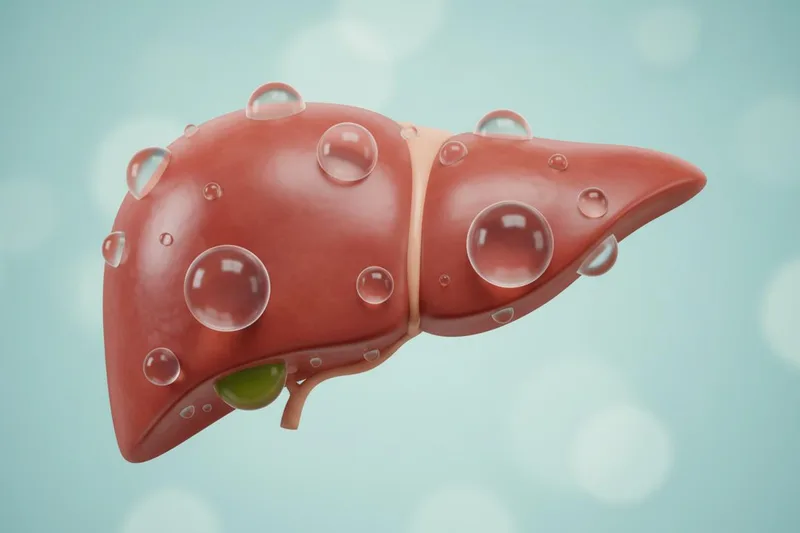
Sometimes, things can happen inside your body without you even realizing it. Liver cysts are one such thing. Most of the time, these are not dangerous, but sometimes there are times when you need to pay a little attention. So, today, shall we talk about these liver cysts in detail and simply?
What are Liver Cysts?
Simply put, liver cysts are small, fluid-filled sacs that form on your liver. Think of them as little water blisters. Most of these are benign conditions. That means they are not cancerous. However, very rarely, some cysts can grow and cause symptoms. They can also be caused by certain hereditary conditions, in which case treatment may be necessary.
How common are these liver tumors? Who gets them more often?
How common are these non-cancerous (benign) liver tumors? Doctors say that between 15% and 18% of the population in the United States may have them. Worldwide, the figure is between 5% and 10%. That means it's more common than you might think.
Who is more likely to develop them? They usually affect people between the ages of 30 and 70. However, only a small percentage, between 10% and 15%, develop symptoms. Women are more likely to be born with these tumors than men. However, men can develop them later in life than women.
Are liver tumors usually cancerous?
Now you may be wondering, can these liver tumors be cancerous? Don't worry, these tumors rarely become cancerous or precancerous. Doctors usually perform surgery to remove these tumors, whether they are symptomatic or cancerous. Between 1% and 5% of all liver tumors are precancerous. About 30% of such tumors can become cancerous. If that happens, doctors will remove them surgically.
In what cases can liver tumors be dangerous?
So, are there any cases where these liver tumors can be dangerous? Yes, while most tumors are not cancerous (benign) and are not large enough to cause symptoms, a very small percentage can become cancerous. However, there are two types of liver tumors that are particularly likely to require surgery or other treatment:
Hydatid disease
This is also called Echinococcal cysts or hydatid cysts . This disease is caused by a parasite. This parasite is transmitted to humans from dogs and sheep, often through contaminated water systems. Imagine, sometimes we can get it if we unknowingly drink contaminated water, or if we work closely with animals that have this parasite, if our hands are not properly cleaned. These parasites grow in the form of cysts in the liver and other parts of the body. If this is not treated properly, it can cause conditions such as fever, jaundice, or eosinophilia (an abnormal increase in a type of white blood cell in the blood). Doctors treat this by giving drugs to kill the parasite (sometimes even chemotherapy) and by removing the cysts with surgery.
Polycystic liver disease (PLD)
This is a very rare, hereditary disease. It affects about one to ten people in a hundred thousand. People with `(PLD)` develop clusters of non-cancerous (benign) or simple cysts (simple cysts) on the outside of their livers. These cysts can look like large clusters of grapes . Only 20% of people with this disease show symptoms, but they may not show symptoms until adulthood. Over time, as their livers enlarge, their abdomen may become swollen, enlarged, and uncomfortable. Doctors treat this `(PLD)` condition with medication and surgery.
Do liver tumors go away on their own? How big can they get?
Some medical studies have shown that benign liver tumors can go away on their own without any treatment . However, it is important to remember that most liver tumors are benign and do not grow large enough to cause symptoms. However, if they are large, doctors can remove them surgically.
How big can these liver tumors get? In fact, they can be as small as the tip of a small fennel bulb, or as large as 4 inches. That means they vary in size.
What causes liver tumors?
Most of these liver tumors are congenital. This means that they are present at birth. In fact, doctors still have not been able to pinpoint the exact cause of these congenital liver tumors.
What are the symptoms of liver tumors?
Most people with benign or cancerous liver tumors do not have any symptoms. However, those who do have symptoms may experience:
- Feeling something like a sharp pain in the upper right side of your stomach .
- Feeling bloated and swollen.
- Nausea and vomiting.
- Loss of appetite, or feeling full even after eating a little.
- Feeling like it's hard to breathe.
- It feels like a big lump in your stomach.
- Jaundice. This can happen if your bile ducts are blocked by a liver tumor.
- Fever and severe stomach pain. This could happen if that tumor bursts.
How do doctors diagnose liver tumors?
Most often, doctors find liver tumors when they do imaging tests for another condition. Liver tumors can be diagnosed with tests like these:
- Ultrasound. This involves using high-frequency sound waves to take live pictures and videos of the organs inside your body. You've probably seen the scans that pregnant mothers get, that's what it's like.
- CT scan (Computed tomography scan) This test uses a series of X-rays and a computer to create three-dimensional (3D) images of your soft tissues and bones.
- MRI (Magnetic resonance imaging) test. This is a painless test that uses a large magnet, radio waves, and a computer to make very clear pictures of the body's organs and structures.
If doctors see liver tumors through these tests, they can do the following to determine whether the tumor is precancerous, cancerous, or the polycystic liver disease we talked about, or whether the tumor is caused by a parasite:
- Physical examination.
- Medical history. You may be asked questions such as whether you have long-term liver disease, whether anyone in your family has had such diseases, and whether you have recently traveled to distant places.
- Serodiagnostic tests. These are done to detect specific antibodies in blood samples.
- Contrast-enhanced ultrasound. This also uses high-frequency sound waves, but the images are taken with a special dye. This allows for clearer details.
How are liver tumors treated?
Most benign (simple) liver tumors do not require any treatment. However, benign tumors larger than 4 centimeters may require removal by doctors.
There are several methods and surgeries to remove large benign tumors, tumors caused by polycystic liver disease, and precancerous or cancerous liver tumors:
- Percutaneous aspiration . In this procedure, doctors use ultrasound or CT scans to insert needles or catheters into the liver cysts and remove the fluid inside the cysts.
- Cyst fenestration. This is a surgical procedure that removes the wall of the cyst to treat large cysts.
- Hepatic resection. This surgery involves removing the parts of the liver affected by tumors.
- Transarterial embolization (TACE). This treatment is like building a dam to stop a river. Doctors inject anticancer drugs into an artery that supplies blood to your liver. Then, they inject a substance to block that artery. This substance acts like a dam, keeping the anticancer drugs around the tumor and preventing them from escaping.
- Surgery. Remove benign or cancerous tumors.
- Liver transplantation. This surgery is performed as a treatment for polycystic liver disease that does not respond to medications and/or surgery to remove liver tumors.
Can liver tumors be prevented?
Since most liver cysts are congenital, meaning they are present at birth, there is no specific way to prevent them. However, you can protect yourself from parasitic infections such as hydatid disease by staying clean, for example by washing your hands thoroughly after touching pets, and by drinking clean water.
If I have a liver tumor, what can I expect?
If you have a liver tumor, what you can expect (prognosis) depends on the type of tumor you have:
- Some noncancerous (benign) liver tumors never cause symptoms. In that case, your doctor may recommend tests, such as an ultrasound, every three months for a year to check if the tumor is getting bigger or changing.
- Some people have surgery to remove large benign or cancerous tumors. Studies show that liver tumors that are removed surgically are very rare . Depending on your condition, your doctor may order additional tests.
How do I take care of myself if I am diagnosed with a liver tumor?
Some people need surgery or other treatments for liver tumors. If so, ask your doctor about how to manage the side effects of treatment . It's also important to follow your doctor's instructions exactly.
What questions should I ask my doctor?
Often, people first learn they have a liver tumor when they have a test done for another reason. It's not something anyone likes to hear about all of a sudden. But when dealing with an unexpected diagnosis like this, here are some questions you can ask your doctor to help you figure out what to do next:
- "How do I know if my tumor is benign or cancerous?"
- "What kind of tests will I have to do?"
- "Will I need to have a liver biopsy?"
- "If this tumor is causing me discomfort or pain, can it be removed?"
- "Have you been observing the size and location of this tumor for some time?"
- "If I have liver tumors, do I need to have other tests to see if I have tumors elsewhere in my body?"
Things we need to remember (Take-Home Message)
Okay, so let's recall some of the most important points from what we've talked about.
Most people first discover they have liver cysts when they are tested for another reason. While no one likes to hear about an unexpected health problem, you may be relieved to know that most liver cysts are noncancerous (benign) and rarely cause symptoms that affect your quality of life.
Often, doctors decide to observe these tumors rather than perform surgery to remove them. If you have any concerns about liver tumors, don't be afraid to ask your doctor about your condition. That way, you can get a clear idea of what to expect. Remember, it's better to be aware than afraid of the unknown.
` Liver Cysts, Liver, Cysts, Cancer, Benign, Cancerous, Hydatid disease, Polycystic liver disease, Liver symptoms, Liver cyst treatment


💬 Comments (0)
No comments yet. Be the first to share your thoughts here.
Add Your Comment