
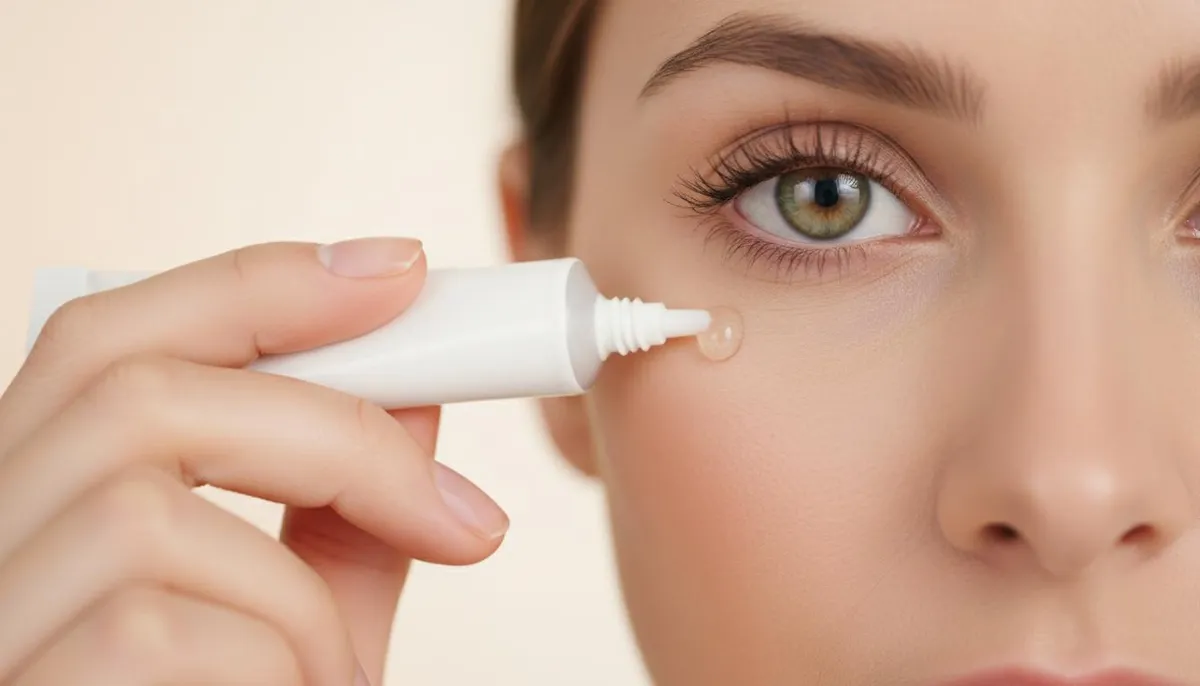
If you or someone you care about recently had eye surgery, your doctor might have given you a medicine called Loteprednol ophthalmic gel. You probably have some questions on your mind right now. You might wonder what this medicine is, how to use it the right way, or if it has any side effects.
Let us walk through everything you need to know in simple, easy-to-understand terms. Taking care of your eyes is very important, and knowing how your medicine works will help you heal safely and quickly.
What is Loteprednol Ophthalmic Gel?
In simple words, Loteprednol is a medicated gel that you put right into your eye. It belongs to a group of medicines known as corticosteroids, which are often called steroids for short.
Think about what happens when you get a cut on your skin. The area often swells up, turns red, and feels quite sore. A similar thing happens inside your eye after a surgical procedure. Your eye tissue reacts to the surgery by swelling and feeling painful.
This specific eye gel works by calming down that inflammation. It helps reduce swelling, redness, and discomfort inside your eye so you can heal comfortably. You might see this medicine sold under brand names like Lotemax, or sometimes under other generic labels.
Your doctor has chosen this medicine specifically for your condition. Always follow your doctor's exact instructions for the best results. If you ever wonder why you were prescribed this gel, do not hesitate to ask your eye doctor or your pharmacist.
What to Tell Your Doctor Before Using This Medicine
Before you start using Loteprednol ophthalmic gel, you need to share some important health details with your doctor. This step helps make sure the medicine is completely safe for you.
- Active eye infections: Tell your doctor if you currently have a bacterial, viral, or fungal infection in your eye. Using a steroid gel when you have an active infection can make the infection much worse.
- Glaucoma history: Glaucoma is a medical condition where the pressure inside your eyeball gets too high. Certain steroid medicines can push your eye pressure up even further, so your doctor needs to monitor your eye pressure closely.
- Contact lenses: Let your doctor know if you wear contact lenses. After eye surgery, doctors usually tell you to stop wearing contacts for a while. Ask your doctor when it is safe to put them back in.
- Allergies: Inform your doctor if you have ever had an allergic reaction to Loteprednol, other corticosteroids, preservatives, dyes, or any other foods and medicines.
- Pregnancy: If you are pregnant or planning to become pregnant soon, talk to your doctor right away. You need to make sure the medicine will not harm your baby.
- Breast-feeding: If you are nursing your baby, ask your doctor if this eye gel can pass into your breast milk and affect your child.
Sharing these details protects your health and helps your doctor tailor your treatment plan safely.
How to Use This Eye Gel Correctly
Using your eye gel the right way ensures that the medicine works effectively and keeps your eyes safe from germs.
Crucial rule: This medicine is meant for your eyes only. Never swallow it or use it anywhere else on your body.
1. Wash your hands: Start by washing your hands thoroughly with soap and water for at least twenty seconds. Dry them with a clean towel. Clean hands prevent germs from entering your eye.
2. Shake the bottle: Turn the medicine bottle upside down and gently shake it just once. This mixes the gel properly so a full drop fills the dropper tip. Do not shake it violently.
3. Position your head and eyelid: Tilt your head back slightly. Gently pull your lower eyelid down with your clean index finger to create a small pocket between your eyeball and your lid.
4. Avoid touching the dropper tip: This is very important. Never let the tip of the bottle or dropper touch your eye, your fingers, your eyelids, or any other surface. Touching the tip can transfer germs into the bottle.
5. Apply the drops: Squeeze the prescribed number of drops directly into the small pocket you created in your lower eyelid.
6. Close your eye gently: After putting the drop in, close your eye softly. Do not squeeze your eyelids shut tightly. Keep your eye closed for one or two minutes so the medicine spreads evenly across your eye surface.
7. Follow your dose schedule: Use the exact number of drops and doses your doctor recommended. Never use more medicine or use it more often than your doctor told you to.
8. Finish the full treatment: Many people make the mistake of stopping their medicine early because their eye feels better. You must use the gel for the full number of days your doctor prescribed. Stopping too soon can cause your symptoms to return.
If You Are Giving This Medicine to a Child
If you need to give this eye gel to a young child, consult your pediatrician first. Children often require special care and gentle handling when receiving eye medicines. Always follow your child doctor's specific guidance.
What to Do If You Take Too Much (Overdosage)
If you accidentally put too much medicine in your eye, or if someone swallows the gel by mistake, you need to act quickly. Contact your nearest hospital emergency room right away for guidance. You can also call a local poison control center.
Important note: Your prescription belongs to you alone. Even if a friend or family member has similar eye symptoms, never share your medicine with them. Their underlying cause might be completely different, and the medicine could harm them.
What to Do If You Miss a Dose
If you forget to use your eye gel at the scheduled time, apply the missed dose as soon as you remember.
However, if it is almost time for your next scheduled dose, skip the missed dose entirely. Simply continue with your normal routine at the regular time. Never try to make up for a missed dose by putting in two doses at once or using extra medicine.
Will Other Things Interact With This Medicine?
Usually, Loteprednol ophthalmic gel does not have major interactions with other standard drugs. However, you should never use any other eye drops, ointments, or washes while using this gel unless your doctor tells you it is safe.
To keep yourself safe, give your doctor a complete list of everything you take. Include prescription drugs, over-the-counter medicines, vitamins, herbal supplements, and dietary items. Also mention if you smoke, drink alcohol, or use any recreational substances, as these habits can sometimes impact your healing process.
More Safety Tips While Using Your Eye Gel
| Do These Things | Avoid These Things |
|---|---|
| Wash your hands thoroughly before every application. | Do not touch the dropper tip to your eye or fingers. |
| Keep your follow-up appointments with your eye doctor. | Do not stop your medicine early just because you feel better. |
| Contact your doctor if your symptoms get worse. | Do not share your prescription eye gel with anyone else. |
If your symptoms do not improve after a few days, or if they seem to get worse, call your doctor right away.
Possible Side Effects of Loteprednol Ophthalmic Gel
Like any medicine, Loteprednol can cause side effects, though not everyone experiences them. Understanding what to look out for helps you stay safe and prepared.
Call Your Doctor Right Away for These Serious Side Effects:
If you notice any of the following warning signs, reach out to your doctor without delay:
- Allergic reactions: Signs include skin rashes, itchy skin, hives, swelling of your face, lips, tongue, or throat, and trouble breathing.
- Vision changes: Watch out for blurry vision, tunnel vision, or unusual sensitivity to bright lights.
- Eye pain: If you feel sharp or lasting pain in your eye after applying the gel, let your doctor know.
- Increased redness or swelling: If your eye becomes more red, swollen, or irritated than it was before, seek medical advice.
Common Side Effects That Usually Do Not Need Emergency Care:
- Foreign body sensation: You might feel like a tiny speck of dust or sand is trapped inside your eye right after putting the gel in. This feeling usually fades away quickly. If it persists or causes strong discomfort, mention it to your doctor.
This list does not include every possible side effect. If you experience any other unusual symptoms or discomfort, talk to your doctor or pharmacist.
When to Call 911 or Go to the ER
Seek emergency medical care right away (call 911 in the US/Canada, 999 in the UK, or visit your nearest Emergency Department) if you experience sudden severe eye pain, complete loss of vision, or signs of a severe allergic reaction like throat swelling and trouble breathing.
How to Store Your Eye Gel Properly
Proper storage keeps your medicine effective and safe to use throughout your recovery period.
- Keep out of reach of children: Always store your medicine in a secure cabinet where young kids cannot reach it.
- Room temperature storage: Keep the bottle at normal room temperature, roughly between 15°C and 25°C (59°F to 77°F). Avoid storing it in hot places or inside a refrigerator unless your doctor specifically told you to do so.
- Close tightly: Always screw the cap back on tightly after each use to keep out air and bacteria.
- Check expiration dates: Never use eye drops or gels past their expiration date. Check the printed date on the bottle label and dispose of old medicine safely.
Key Takeaways for Your Recovery
- Use your eye gel strictly according to your doctor instructions and dosage rules.
- Complete the full course of treatment even if your eye feels much better.
- Always wash your hands before and after applying your eye medicine.
- Never let the dropper tip touch your eye, eyelids, or fingers to prevent contamination.
- Report any severe pain, vision changes, or allergic reactions to your doctor right away.
If you still have questions about your treatment plan, feel free to ask your doctor, pharmacist, or doctor. They will be happy to help you heal safely. We wish you a fast and smooth recovery!
Sources & References:
- Cleveland Clinic: Corticosteroid Ophthalmic Drops Overview and Safety.
- Mayo Clinic: Loteprednol Etabonate (Ophthalmic Route) Proper Use and Precautions.
- NHS UK: Eye Surgery Aftercare and Steroid Eye Drops.
- CDC: Healthy Eye Habits and Preventing Eye Infections.
- NIH / PubMed Central: Efficacy and Safety of Loteprednol Etabonate Ophthalmic Gel in Postoperative Inflammation.






No comments yet. Be the first to share your question or experience below.